
Blog List
0
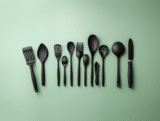
The review evaluates non‑toxic kitchen utensil materials—stainless steel, silicone, wood, nylon—detailing how each interacts with scratched cookware, tolerates ...
 Ray Winson
0

A bamboo cooker is a must-have for anyone who likes dumplings, vegetables, or healthy Asian food. Unlike plastic or metal steamers, bamboo steamers are easy to ...
0
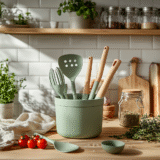
Silicone cooking utensils have become a kitchen staple. They’re flexible, heat-resistant, and easy to clean—what’s not to love? But with growing concerns about ...
0
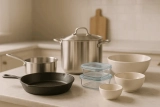
I Ditched Plastic Forever—This 2026 Non-Toxic Kitchen Starter Kit Changed EverythingReaching for that dinged-up plastic tub in the fridge, the one that's ...
0
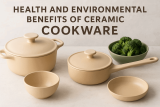
What Cookware Should You Choose?There is no single best cookware material for every kitchen. Stainless steel, cast iron, and carbon steel are uncoated ...
0

Unprecedented Surge in restaurant equipment demand 2026Restaurant equipment demand will explode in 2026 due to rapid industry recovery and new operational ...
0

Why Non Toxic Kitchen Swaps MatterNon-toxic kitchen swaps make a real difference in your daily cooking. You cook multiple meals each week, so choosing ...
0
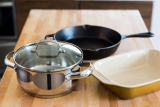
Toxic vs Non-Toxic Cookware BasicsToxic vs non-toxic cookware matters a lot for your daily meals and long-term health. You want pots and pans that keep ...
0

What Are Non-Toxic Cookware Materials?Non-toxic cookware materials keep dangerous chemicals away from your meals. You cook with confidence knowing these ...
0

Different wood and silicone utensils affect non‑stick cookware through distinct friction, heat transfer, residue absorption, shape changes, and particle ...