


Friction Patterns Unique to Each Utensil Material
Wood stays rigid. Pressed against non-stick, it bites along a single fixed line. The load never spreads. Silicone yields instead. The same downward force blooms across a widening patch of material. These two meetings set the friction each utensil leaves behind.
A rigid utensil never loosens its shape. Every sweep or twist retraces the same thin track. Shear concentrates there and sharpens with repetition. Silicone reshapes itself with each stroke. What starts as an edge soon spreads into a broader footprint. Peak stress drops across the larger area. Over many passes the materials mark the coating in opposite ways: one cuts, the other bruises.
Localized Pressure Points at Contact Zones
Wooden edges arrive square or only lightly rounded. Tilt the spoon and contact collapses to a narrow line. Pressure spikes along that line. Silicone edges squash flat on contact. The line becomes a short band instead. Force spreads, yet the band still travels with every stir.
Small grain ridges or chips on wood act as extra points of pressure. Each leaves its own short scar or polished streak. Silicone’s give smooths those flaws before they bite. The difference shows after long cooking: wood’s stiff edge keeps its angle and can gouge deeper linear marks. Silicone’s compressed face eventually leaves wider but shallower wear once it settles against the same patch of coating.
Thermal Conductance Through Different Utensil Structures
Different utensil materials pull heat from a non-stick coating at different rates. Wood transfers heat slowly. Its cellular structure traps air pockets that block quick movement. Silicone conducts even less readily because its molecules limit fast transfer across the material.
Contact with a heated coating creates a small cool zone at the touch point. A temperature difference forms between that spot and the surrounding surface. Repeated contact adds micro-stresses as the coating expands and contracts at slightly different rates. Over many cooking cycles these stresses weaken the bonds that hold the coating together. Thickness and moisture content change the speed of heat flow, so the effect is never the same for every tool made from the same material.
Heat Sink Effects on Coating Temperatures
A utensil that absorbs heat works as a temporary sink at the coating surface. Heat leaves the coating and enters the utensil through direct contact. Wood stores a modest amount of this energy before releasing it again. Silicone absorbs less and releases it more slowly.
The coating therefore experiences brief cooling where the utensil touches it. This cooling alters how the surface molecules stay bonded to the base layer. Uneven thermal loads build across repeated heating and cooling cycles and reduce long-term adhesion. The strength of the sink effect depends on how long and how firmly the utensil rests on the surface. Brief stirring causes less change than leaving the utensil in place.

Residue Adhesion and Material Absorption Characteristics
Wood traps residues inside its fibres because the material contains tiny spaces that pull in liquids and particles. Silicone holds residues only on its outer surface because it has no internal spaces.
Over time, a wooden utensil can release absorbed material back onto a non-stick coating. This release alters how the coating performs during cooking. A silicone utensil lea`ves less residue behind since nothing has entered its body. The coating therefore meets only the material present at that moment.
Wood gradually changes the cooking surface through this carry-over effect. Silicone keeps surface contact more consistent. The practical issue appears when wood retains enough material to influence flavour transfer or speed up coating wear. These changes occur inside the utensil rather than through visible damage.
Penetration of Liquids and Acids into Utensil Bodies
Liquids and acids travel along the grain of wood and settle inside its cell structure. They can remain after cleaning and return during the next use. When the utensil touches a non-stick coating again, retained acids or oils meet the surface and may soften it or raise friction.
Silicone blocks entry because the material prevents liquids from passing through. The same liquids stay on the outside and wash away more easily. Wood alters its internal condition with each exposure, which affects later performance on the coating. Silicone maintains stable behaviour because its structure does not change.
Once penetration occurs, wood cannot return to its original state. Every later use carries forward the effects of earlier contact with liquids or acids.
Shape Retention After Extended Kitchen Exposure
Left exposed, wood slowly surrenders its moisture. Fibres tighten and hairline checks open along the grain. These raised edges no longer sit flat against a pan, so contact with the non-stick coating turns uneven and begins to scratch the finish over time.
Silicone responds differently. Repeated heating and cooling rigidify patches of the compound. The hardened zones stop flexing away from the pan during stirring and instead press harder in one spot, concentrating wear on the coating beneath.
Both effects appear only after months of use. The utensil no longer glides the way it did when new, and the change shortens the life of a non-stick pan even though the tool itself still looks intact.
Dimensional Shifts in Humid Storage Spaces
In humid storage, wood drinks in ambient damp. The swollen fibres push the utensil outward. Once it dries again inside a crowded drawer, the new width can lock into a permanent bend.
Silicone behaves differently with trapped moisture. A thin surface film forms and collects fine particles that change how the utensil slides. Limited airflow speeds the process, so the film builds faster between uses.
Either distortion reduces the smooth, consistent pressure that protects non-stick surfaces. Once the shape has changed, the utensil cannot return to its original form without replacement.
Contribution to Airborne Particles in Cooking Environments
Utensil materials shed particles into kitchen air once heat reaches their breakdown point. Wood fails sooner than silicone, so the two release different volumes and types of material. Those particles drift through the room and into adjacent spaces, leaving the air less clean for longer. The effect stems from internal structure, not coating or thickness. Once airborne, the particles bind with steam and cooking vapours, which slows their removal by ordinary ventilation.
Thermal Decomposition Thresholds for Each Material
Wood starts to weaken at modest temperatures. When a pan surface passes normal frying heat, the outer layers char and shed small carbon fragments. These fragments show up as visible smoke or a light haze. In an open living area the haze lingers on surfaces or stays suspended, cutting air clarity for longer periods.
Silicone holds its form through higher temperatures. Only after prolonged contact well above everyday stovetop levels does it begin to shed smaller molecular pieces. Those pieces stay invisible and spread quickly, yet they still raise the total amount of airborne compounds. The delay reduces immediate visible effects, but any breakdown leaves subtler traces that occupants may not notice right away. Each material therefore sets its own limit on safe contact time with hot food before it adds to kitchen air load.
Cumulative Influence on Coating Service Life
Each use of a utensil adds force, heat and contact to a non-stick coating. These small actions build up over many meals and cause measurable wear. Wood utensils create repeated surface friction because their grain can catch during stirring or scraping. Silicone utensils spread pressure more evenly but hold heat against the same spot for longer.
Both materials also leave trace residues from food or oil after washing. These residues change how the coating reacts in later cooking sessions. The coating loses thickness and smoothness over time. Food begins to stick in small patches well before the surface shows visible damage. The coating is already losing function while it still looks intact.
Interaction Effects Across Multiple Cooking Sessions
A single use rarely changes coating performance in a noticeable way. After repeated sessions the small effects reinforce each other. Wood leaves microscopic grooves that trap oil and food particles. These grooves make the next contact slightly more abrasive. Silicone can soften under sustained heat and press a thin film against the coating. That film alters how new oil bonds in following uses.
Over dozens of meals the combined mechanical and thermal stress reduces the coating’s ability to release food evenly. The user notices this first as occasional sticking. Later it requires extra oil or longer pre-heating. The rate of change depends on cooking temperature, pressure applied and cleaning method. These factors vary between kitchens and never stay constant.
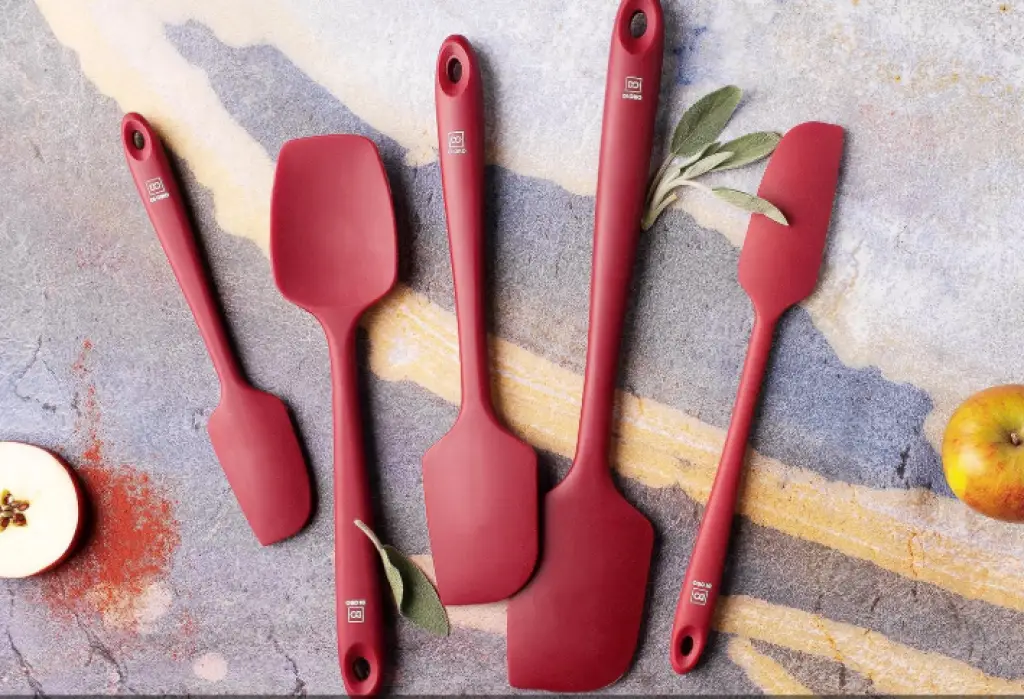
Silicone Utensils Quick View
| Feature | Details |
|---|---|
| Source | Silica (sand-based) |
| Heat Limit | 500°F |
| Lifespan | 5+ years |
| Best For | Scraping, non-stick pans |
Frequently Asked Questions
Which lasts longer, wood or silicone?
Wooden utensils often outlast silicone if you care for them right. Apply food-grade oil monthly, and they endure daily use for five years or more. Silicone holds up well but may soften after heavy heat exposure.
Are wooden utensils safe for nonstick pans?
Yes, they protect nonstick coatings perfectly. Tests by Consumer Reports confirm wood causes no abrasion, unlike harder materials.
Can silicone utensils go in the dishwasher?
Most can, and they come out like new. Check labels, but high-quality ones handle top racks easily.
Do wooden utensils harbor bacteria?
Not if dried fully after washing. Smooth bamboo varieties resist moisture best and stay hygienic with routine care.
Is one more eco-friendly?
Wood wins for renewability; bamboo grows quickly without pesticides. Silicone uses less wood but relies on petroleum, though it’s durable to cut waste.
This guide helps you pick confidently for joyful cooking.








Interesting piece on wood vs silicone utensils—totally fits into kitchen gear which beauty pros might skim for clean, safe tools in salons and spas. Seeing how silicone resists heat and cleans easy got me thinking: in Suplery we push a single dashboard for suppliers, plus real-time stocktakes and a goal to keep products authentic. If you’re in the beauty biz, consider a setup that streamlines tool inventory for your spa or salon—our platform can pair with your catalog and offer wholesale pricing. You’ll save time and keep everything in check, from inventory to orders. Pro tip: start with a preset catalog to zero-onboard and test a small batch first.