Best Ceramic Slow Cooker Buyer Guide 2026 Update
What Defines a Ceramic Slow Cooker
A ceramic slow cooker stands out because of its interior coating. This coating forms a non-stick surface from inorganic materials rather than the fluoropolymer layers common in many other models. In Australia, this difference matters. Many households prefer simpler material choices for everyday cooking.
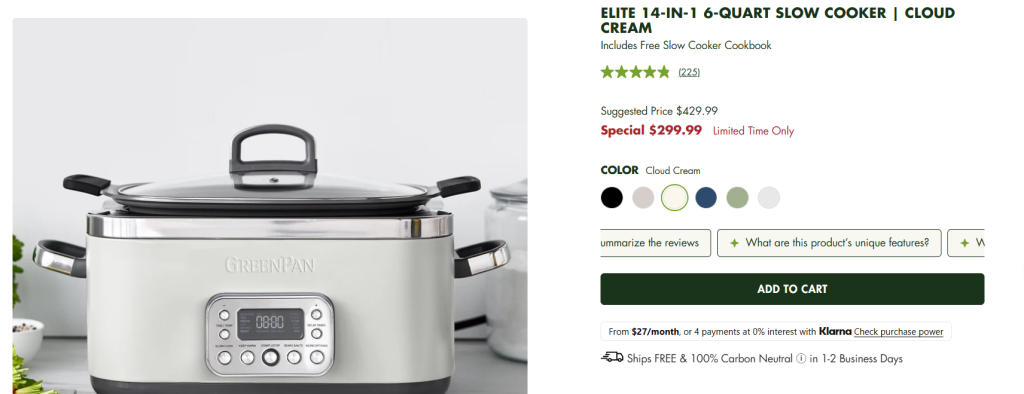
The term does not mean a fully ceramic pot. It refers to a metal vessel finished with a thin ceramic layer. That layer changes how food touches the cooking surface. This detail links to choices around the best slow cooker, non-stick slow cooker performance and healthy slow cooker options. Shoppers need to know the coating itself creates the main difference.
Core Material Properties
Ceramic coatings start from silica-based layers. These layers come from silicon dioxide, the same compound found in sand and glass. Makers apply the material as a liquid mix that contains silica particles. They then heat it at high temperature so the particles bond to the metal base, usually aluminium or stainless steel.
The finished surface contains no carbon-hydrogen bonds. This structure gives the coating stable behaviour under heat. Silica networks hold their form across slow cooking temperatures because they lack organic chains that soften or break down. Heat moves through the thin layer to the food while the coating resists cracking.

Key traits include hardness on the Mohs scale of 6–7 and very low porosity once cured. The surface also resists acids from foods such as tomato or vinegar. These traits come from the dense silica structure.
| Property | Silica-Based Ceramic Layer | Typical Fluoropolymer Layer |
|---|---|---|
| Chemical composition | Inorganic silicon dioxide network | Carbon-fluorine polymer chains |
| Heat stability | Maintains structure above 300 °C | Begins to degrade near 260 °C |
| Hardness | High (scratch resistant) | Lower (easily scored) |
| Porosity after curing | Very low | Moderate |
The table shows why silica coatings handle long heat exposure differently. Their inorganic makeup lowers the chance of breakdown that can happen with organic coatings. The ceramic layer can still chip if hit by metal utensils.
Real performance depends on coating thickness and how well it was applied. Thinner layers pass heat faster but give less impact resistance. Thicker layers add durability yet slow heat transfer slightly. Australian households often notice these differences when checking how evenly a ceramic-coated pot holds temperature over long cooks.
What Defines a Ceramic Slow Cooker
A ceramic slow cooker uses an inorganic insert or coating instead of polymer non-stick surfaces. The interior comes from silica or mineral glazes cured at high heat into a glass-like layer. These layers contain no carbon-fluorine bonds.
That difference matters in Australian kitchens. Meals that simmer for hours in moist heat place real demands on any lining. Knowing the actual materials helps cooks judge durability without relying on marketing claims.
Ceramic coatings start with silicon dioxide and other minerals. Makers apply thin layers then harden them to bond with the metal base. The smooth finish releases food through physical smoothness rather than chemical action.
Ceramic works well with stews, curries and casseroles. These dishes release their own juices. Performance still depends on coating thickness and formulation quality. In Australia, price does not always predict how long a product lasts once it faces the dishwasher and daily use.
Ceramic can develop hairline cracks from thermal shock or repeated dishwasher cycles. Non-stick properties also fade faster than many expect when high-heat searing comes before the slow cycle. These outcomes reflect the material’s own limits.
Relevance to Healthy Slow Cooker Choices
Ceramic coatings avoid the fluorinated compounds found in older non-stick surfaces. Traditional coatings use polytetrafluoroethylene, which can release fumes when overheated. Ceramic contains no fluorine, so it carries no equivalent risk at normal cooking temperatures.
Acidic ingredients such as tomatoes or vinegar-based sauces wear any coating over time. Ceramic surfaces do not trigger the same chemical concerns during long cooks.
| Factor | Legacy Non-Stick | Ceramic Coating | Practical Implication |
|---|---|---|---|
| Chemical base | Fluoropolymer | Silica/mineral | Different degradation behaviour |
| Overheating risk | Can release fumes above 260°C | Stable at higher temperatures | Safer margin during accidental high heat |
| Acidic food effect | Faster wear possible | Gradual surface dulling | Longer usability with tomato-based meals |
| Cleaning method | Mild detergent recommended | Avoid abrasive pads | Both require similar care routines |
The table shows broad category differences rather than specific product results. Ceramic coatings still need gentle handling. A chip or deep scratch can expose the metal underneath. This view helps users choose based on real material behaviour.
Australian households often match the coating to their usual cooking habits. Families that simmer long meals with little added oil may find ceramic practical. They should still plan for eventual replacement when the finish shows wear. This approach supports informed decisions about healthy slow cooker use.
Categories of Ceramic Slow Cookers
Ceramic slow cookers come in different types based on how their cooking pots are built and how they handle long, slow cooking. These differences matter for heat spread and how long the pot lasts. Australian households often choose a ceramic slow cooker that fits their weekly meals, whether that means steady simmering for curries or quick cleanup after busy nights. The right type also supports healthier cooking by keeping temperatures stable without extra oils.
Classification by construction and performance gives a practical way to compare models. It focuses on the material that touches the food and how that material behaves during hours of gentle warmth. This method looks at real traits like heat retention, weight, and how the surface reacts with ingredients.
Traditional Stoneware vs Modern Ceramic Coated
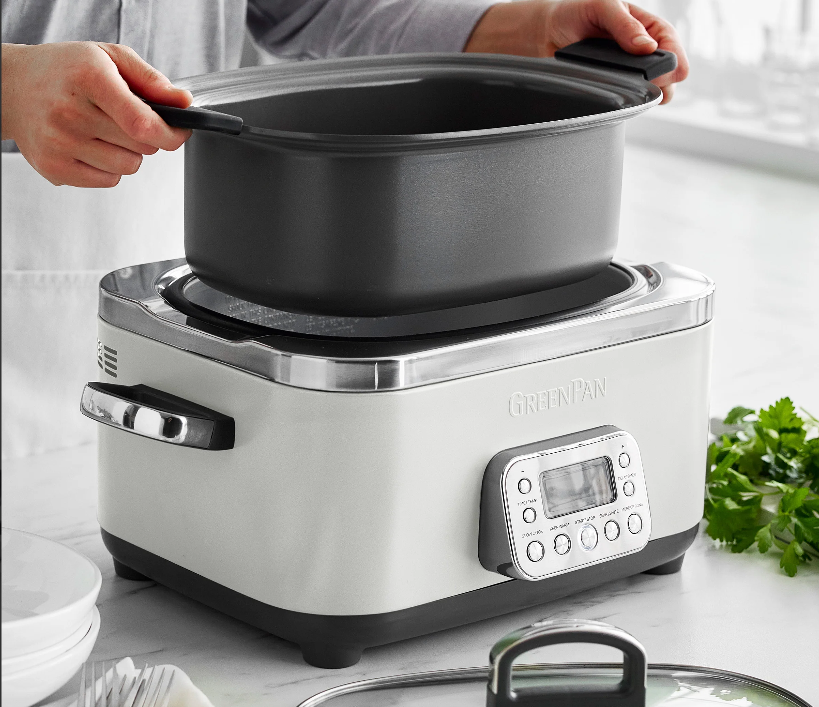
Traditional stoneware inserts are made from dense fired clay that forms a thick ceramic vessel. Modern ceramic-coated models use a metal base, usually aluminium or stainless steel, covered with a thin ceramic layer. The core distinction lies in thermal mass and chemical stability.
Stoneware carries high heat-soaking density. It warms slowly and holds that warmth steadily, which suits recipes needing consistent low temperatures without hot spots. The material stays fully inert, so it does not react with acidic ingredients such as tomatoes or vinegar. No coating means performance stays steady over time.
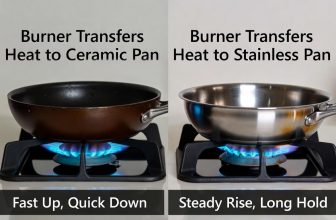
Ceramic-coated vessels heat faster because they have lower thermal mass. The metal conducts heat well while the ceramic layer gives non-stick qualities. This setup helps with browning steps before the long cook begins. Coating quality varies, though, and repeated scraping or harsh cleaning can wear it down.
| Factor | Traditional Stoneware | Modern Ceramic Coated |
|---|---|---|
| Thermal mass | High – slow to heat, excellent heat retention | Low – quick heat-up, less even over long periods |
| Chemical stability | Fully inert, no coating to degrade | Dependent on coating quality |
| Weight | Heavy when full | Lighter for easier handling |
| Cleaning | Requires soaking, no non-stick benefit | Easier release, but coating care needed |
| Best for | Long braises, soups, dishes with acidic sauces | Everyday meals, recipes needing initial sear |
Stoneware works well for households that cook large batches and want reliable set-and-forget results. Ceramic-coated options suit people who prefer faster preheating or simpler washing after smaller meals. Both types appear among the best slow cooker choices in Australia, yet the decision rests on cooking volume and how much maintenance you prefer.
Safety and Chemical Considerations
Choosing a ceramic slow cooker in Australia means paying close attention to what touches your food. These appliances run for hours at low heat, and that extended contact raises the risk of chemicals leaching from coatings. Australian rules set minimum safety standards, but performance still varies between brands. Shoppers often look for the best slow cooker that limits unwanted exposure while keeping food from sticking.
Material choice shapes both daily cooking and longer-term health outcomes. Older non-stick layers often rely on fluoropolymers. Ceramic versions market themselves as a different path. The distinction matters most when cooking acidic meals like tomato stews or citrus dishes that sit against the surface for long periods.
PFAS-Free Coating Evaluation
PFAS describes a family of synthetic chemicals once used to make non-stick surfaces last. Ceramic coatings try to skip these compounds altogether. Checking for their absence requires test data, not just labels.
Labs look for clear markers. They measure total fluorine levels, scan for PTFE traces, and run migration tests that mimic real cooking conditions. Zero readings on these markers support a PFAS-free claim. Any detectable amount means the coating fails that test.
| Evaluation Factor | Description | Practical Meaning |
|---|---|---|
| Total fluorine test | Measures overall fluorine present in the coating | Low or zero readings suggest no fluoropolymers were used |
| PTFE-specific screening | Checks for polytetrafluoroethylene traces | Absence reduces concern over traditional non-stick chemistry |
| Migration testing | Simulates heat and food contact over time | Confirms whether any substances transfer into food |
Check manufacturer reports or third-party certificates before you buy. Many ceramic slow cookers sold here now share these results on their sites or boxes. Even so, ceramic coatings differ in how long they hold up, and some still contain other additives. PFAS-free status on the cooking surface does not always cover every part of the appliance, so reviewing the full build helps.
Safety and Chemical Considerations
Ceramic slow cookers rely on a stoneware or ceramic insert finished with a protective glaze. The central question is whether that glaze or the clay beneath it can release trace elements into food during long, low-temperature cooking.
Low heat over many hours gives any unstable material time to interact with the meal. Shoppers looking for a healthy slow cooker therefore check that surfaces will not introduce metallic residues or rogue oxides across repeated use.
A well-formulated glaze seals the porous clay and stops direct contact with food. Poorly fired or low-grade glazes can develop fine cracks or contain lead and cadmium compounds that move into acidic dishes such as tomato sauces or vinegar-based curries.
Australian households that use a slow cooker several times a week need reliable performance across everyday recipes. A quality ceramic insert maintains its barrier without adding unwanted substances to the food.
Australian Standards Compliance
Australian rules do not set exact recipes for every ceramic body. The FSANZ Code requires only that any material touching food must not shed substances at levels that could harm health. Ceramics fall under these general rules, with heavy-metal limits drawn from established international test methods.
Manufacturers and importers test finished inserts using acidic solutions, higher temperatures, and extended contact times. Products that pass may be sold without mandatory certification marks. Reputable suppliers usually supply test reports or written declarations of compliance on request.
| Factor | Description | Why It Matters |
|---|---|---|
| Heavy metal release | Limits on lead and cadmium migration | Protects against cumulative exposure |
| Glaze integrity | Resistance to cracking or chipping | Maintains barrier between food and clay |
| Acid resistance | Performance when cooking acidic foods | Common in many slow cooker recipes |
| Temperature stability | Behaviour during long, low-temperature cycles | Reduces risk of surface degradation |
Buyers should look for clear statements that the insert meets Australian food-contact standards. Some makers also reference European or American test results when local data is limited.
Check the insert for chips or crazing before first use. Avoid abrasive pads that could damage the glaze. These simple habits help preserve the original performance over time.
How to Compare Ceramic Slow Cooker Models
Brand names and marketing claims rarely help when choosing a ceramic slow cooker. Focus on measurable attributes instead. Australian households want reliable heat, durable non-stick surfaces and induction compatibility for everyday meals.
Performance Metrics That Matter
Three metrics matter most: heat retention, coating thickness and base magnetism. These factors shape cooking results, energy use and long-term value.
| Metric | Description | Why It Matters |
|---|---|---|
| Heat retention | Ability of the ceramic pot to maintain steady temperature after the heating element cycles off | Reduces hot spots, supports even cooking of stews and curries, and lowers electricity consumption during long sessions |
| Coating thickness | Depth of the ceramic layer applied to the inner pot | Thicker coatings resist scratching from metal utensils and maintain non-stick properties after repeated dishwasher cycles |
| Base magnetism | Strength of magnetic response in the pot base | Determines whether the unit works on induction cooktops common in modern Australian kitchens |
Heat retention comes from the stoneware density and outer insulation. Thicker walls hold heat longer once the element turns off. This suits overnight or workday cooking without extra power.
Coating thickness affects safety and cleaning. Thin layers wear away faster with metal utensils or dishwasher use. Thicker, multi-layer finishes keep their non-stick quality and reduce the need for extra oil.
Base magnetism decides induction compatibility. Many Australian kitchens now use induction cooktops. A ferrous disc in the base lets the cooker work. Test with a magnet before buying to avoid buying the wrong model.
Review all three metrics together. Strong heat retention paired with a thin coating needs careful handling. A thick coating with weak magnetism limits cooktop options. This framework helps you compare capacity, shape and timer features with confidence.
Selecting the Right Ceramic Slow Cooker
Choosing the right ceramic slow cooker starts with how your household cooks. The decision shapes heat consistency, energy use and long-term safety. In Australian kitchens that often combine induction cooktops with limited bench space, capacity, compatibility and material standards matter most.
Ceramic slow cookers stand apart from metal-insert models. The vessel itself spreads heat and stays inert with acidic foods like tomato or vinegar. This lets cooks prepare meals with less oil and no non-stick coatings. The topic of ceramic slow cooker Australia choices therefore ties directly to household size, cooking frequency and kitchen layout.
Matching Features to Household Use
Household size sets the first practical limit. A 3.5-litre model suits one or two people and fits small benches. A 5- to 6-litre unit serves four to six people with room for leftovers. Larger 7-litre or greater cookers suit extended families or batch cooking, yet they need more storage and use more power over long cycles.
Induction readiness matters in most Australian homes. Only ceramic inserts with a ferrous base layer work on induction surfaces. Checking the base before purchase avoids the need for an extra portable hotplate.
Safety standards focus on the glaze. Australian and New Zealand food-contact rules limit lead and cadmium migration. Vessels that meet these standards reduce exposure during repeated high-heat use. Removable inserts also make cleaning easier than fixed-bowl designs.
| Factor | Small Household (1–2 people) | Medium Household (3–5 people) | Large Household (6+) |
|---|---|---|---|
| Recommended capacity | 2.5–3.5 L | 5–6 L | 6.5–7.5 L |
| Induction compatible | Useful if bench space limited | Strongly recommended | Strongly recommended |
| Typical power draw | 150–200 W | 200–280 W | 280–350 W |
| Bench footprint | Compact | Medium | Requires dedicated storage |
Households that cook mostly one-pot meals notice ceramic’s even heat retention. It outperforms thin metal during long simmers. The same material is heavier and can break if dropped. A tight lid seal also reduces moisture loss over eight-hour cycles.
Ceramic takes longer to preheat than metal inserts. Hot pieces need careful handling. These points become important when comparing ceramic options with non-stick slow cooker alternatives for different cooking styles.
Moving Toward Purchase and Ownership
Once readers grasp how ceramic slow cookers deliver gentle, even heat and chemical-free surfaces, attention turns to the realities of ownership. The conversation now narrows to what determines years of satisfaction. Durability of the vessel, ease of cleaning, power use in Australian homes, and fit with local power points and bench space all matter.
Owning one demands far more than choosing a model off the shelf. The ceramic insert must handle repeated cooking of slow-cooked lamb shanks, hearty bean stews, and vegetable dishes that define Australian tables. Warranty terms, spare part availability, and safe temperature limits that prevent thermal shock also count. These details decide whether the cooker stays a daily ally or turns into an expensive frustration.
Further Research Resources
Serious buyers soon need more than general knowledge. They require precise, trustworthy guidance. Three streams repay close attention: maintenance advice, brand comparisons, and independent performance data.
Maintenance literature reveals how to clean without harming the ceramic surface. Skip abrasive pads. Handle the mineral build-up left by hard Australian water with care. Store the insert so cracks never form. The best guides also show how to lift tomato-based stains while keeping the non-stick qualities that support healthy cooking.
Brand review resources compare models sold through Australian retailers. They examine capacity, lid fit, temperature consistency, and coating quality. Some coatings resist chipping better than others. Certain brands design inserts that suit both oval and round cooker bodies.
Test reports supply real performance numbers. They measure heat retention, energy use during long cooks, and how well non-stick surfaces hold up after repeated use. Reports often note differences between models sold as best slow cookers and those positioned as healthy slow cooker choices.
| Research Area | Typical Content | Practical Value |
|---|---|---|
| Maintenance guides | Cleaning steps, storage advice, repair tips | Reduces coating damage and extends lifespan |
| Brand comparisons | Feature tables, coating quality, warranty details | Helps match models to household needs |
| Test reports | Performance scores, energy use, durability results | Offers objective data beyond marketing claims |
Together these resources feed directly into deeper cluster content on maintenance routines, brand-specific reviews, and side-by-side model comparisons. Readers who follow them gain the detail needed to choose a ceramic slow cooker that performs reliably in Australian conditions.