Safest PFAS Free Cookware Options For Induction Stoves
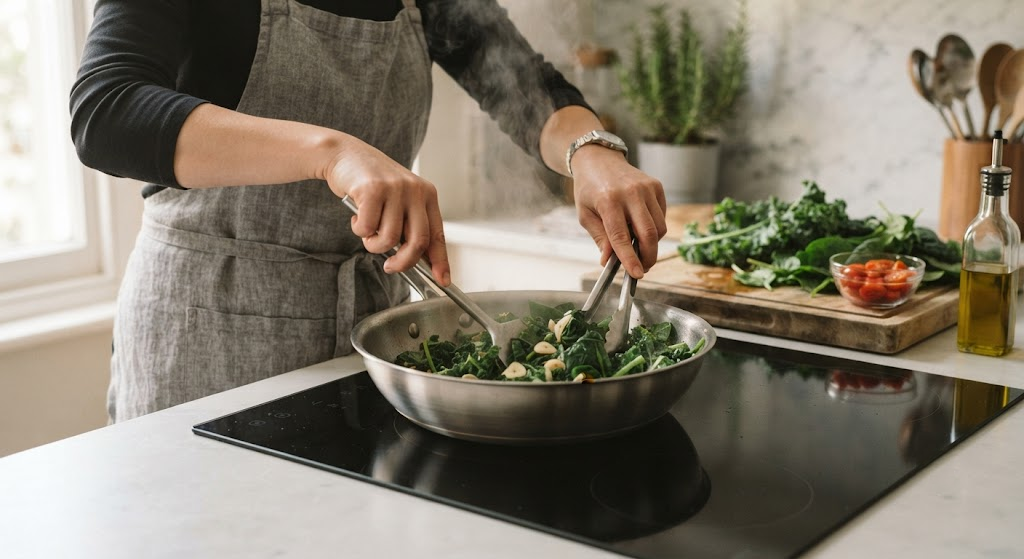
PFAS Free Cookware For Induction Cooking Basics
Induction cooking bypasses the burner. It drives heat straight into the pan through magnetic fields. The pan base must contain ferromagnetic material such as cast iron or certain grades of stainless steel.
For induction users, PFAS-free cookware therefore demands a double discipline. The base must respond to the magnet. Every surface and finish must remain entirely free of per- and polyfluoroalkyl substances.
Many traditional non-stick surfaces once relied on PFAS chemistry for easy food release. Removing those substances changes how a surface behaves under heat and over time. Cooks already committed to induction must therefore discover which alternative materials still deliver reliable release without the lingering health and environmental burden those synthetic chains once imposed.
This foundation supports later decisions about construction quality and daily care. Readers benefit from understanding the technical fit between induction requirements and PFAS-free options before comparing product types.
What PFAS Substances Are And Why They Are Avoided
PFAS form a vast clan of synthetic fluorinated molecules engineered to shrug off heat, water, and oil alike. In cookware their most famous envoy is polytetrafluoroethylene, better known as Teflon. For decades manufacturers prized the near-frictionless glide these coatings gave. Food simply refused to cling.
These substances resist breakdown in the environment and inside the human body. This leads to bioaccumulation over decades. When cookware coated with PFAS overheats above 260 °C the coating can degrade and release fumes. In enclosed spaces this has been linked to temporary flu-like symptoms. Regulatory agencies have also documented associations between prolonged PFAS exposure and changes in liver enzymes, immune response and developmental markers.
Induction cooktops can raise pan temperature very quickly. An empty pan left on high creates repeated thermal stress. Even at normal cooking temperatures, metal utensils or abrasive cleaning can wear away layers and expose what lies beneath.
Many households now seek PFAS-free induction cookware. The term covers surfaces that never contained fluorinated coatings. Uncoated cast iron, carbon steel, stainless steel and ceramic finishes formulated without PTFE all qualify. Each option carries different performance characteristics. Cast iron and carbon steel need seasoning to maintain a natural non-stick layer. Certain ceramic coatings offer easier release when new but lose effectiveness sooner than traditional fluoropolymer surfaces.
Check the base for a magnetic response or the induction symbol before purchase. Thickness and construction affect how evenly heat spreads and how quickly temperature rises. These factors influence coating longevity on any PFAS-free surface.
Grasp these distinctions and you can pair cookware to both your cooking rhythms and your induction hob without ever depending on compounds that linger in soil, water, and human tissue for decades after the last meal is served.
PFAS Free Cookware For Induction Cooking Basics
PFAS covers a broad family of synthetic chemicals. Manufacturers used them for years to create non-stick surfaces and heat-resistant coatings. Trade names such as Teflon made them common in everyday pans. Growing health concerns now push many households toward cookware without these compounds.
Induction cooking adds a second requirement. The cooktop creates heat inside the pan base through magnetic fields. This works only when the base contains enough ferromagnetic material and sits flat against the glass. PFAS-free cookware must meet both conditions to perform on modern hobs.
Not every PFAS-free material handles induction well. Some stainless-steel lines contain too little iron for a strong magnetic response. Certain ceramic-coated pans lose their non-stick surface faster under rapid temperature shifts. Spotting these limits early helps narrow choices before comparing durability or care routines.
How Induction Cooktops Influence Cookware Choice
Copper coils sit beneath the ceramic glass. Switch on the power and an alternating current runs through them. The current creates a changing magnetic field. That field reaches into the pan base and induces currents in any ferromagnetic metal. The currents meet resistance and turn into heat inside the metal itself.
Three results follow. The base must contain cast iron, carbon steel or a stainless grade with high iron content such as 18/0 or magnetic 18/10. The base must also stay flat across its full width. Warped or domed bases leave air gaps, cut efficiency and create hot spots. Heat stops the moment the pan lifts off, which reduces leftover warmth and limits oil smoking.
These demands shape daily choices. A cook moving from gas to induction often finds an old aluminium pan stays cold unless it carries a bonded magnetic disc. Even compatible pans with slightly domed bases can make the sensor cycle on and off. Purpose-built PFAS-free stainless with a thick tri-ply or disc base keeps steady contact and lets lower heat settings deliver the same sear.
Open-plan kitchens notice the low-smoke effect. Heat stays in the base instead of rising into the air. Oil reaches its smoke point less often. The benefit disappears if the base warps and breaks contact.
Trade-offs remain. Cast iron grips the magnetic field strongly yet feels heavy and needs drying after washing to avoid rust. Multi-ply stainless weighs less and handles dishwashers but costs more at purchase. Pure ceramic coatings contain no PFAS yet lose their glide under induction’s quick temperature changes and may need extra oil or earlier replacement. Matching these traits to usual cooking habits guides decisions before further reading on material care or energy use.
Types Of Materials In PFAS Free Induction Cookware
Induction cooking needs a magnetic base. The hob creates an electromagnetic field that only ferrous metals answer. PFAS free cookware must deliver that response without any per- and polyfluoroalkyl substances. Several metals and composites meet both requirements. They differ in magnetic response, daily wear, and how they fit kitchen storage and visual layouts.
The material choice shapes cooking results, cleaning habits, and how long the cookware lasts. Stainless steel, cast iron, carbon steel, and some reinforced aluminium or copper-clad pans form the main options. Each brings different magnetic strength, weight, and upkeep demands. Clear differences help users match pans to their hob, space, and cooking style without unwanted coatings.
Stainless Steel As A Reliable PFAS Free Choice
Stainless steel contains no PFAS chemicals at any stage. The alloy uses only iron, chromium, and nickel. No fluorinated compounds enter during forming or finishing. This removes any risk of coating breakdown during high-heat cooking or dishwasher cycles.
Induction performance depends on construction. Single-ply stainless steel often fails to generate enough magnetic pull. Tri-ply or five-ply pans embed a magnetic stainless layer or ferromagnetic disc between aluminium or non-magnetic stainless. The magnetic layer sits at the base. It allows efficient heating while the inner surface stays non-reactive. Disc-base models place a thick magnetic plate on the exterior bottom. The rest of the pan can use lighter materials for better heat spread.
Daily durability stands out. Stainless steel resists warping under high heat. It handles metal utensils without scratches. The material tolerates abrasive cleaning and keeps its shape through repeated heating and cooling. This suits searing, simmering, deglazing, and oven use at home temperatures.
Storage and appearance work well in small kitchens. Straight sides and flat bases stack neatly. The reflective finish fits minimalist apartment designs where cookware stays visible. It does not hold odours or permanent stains. Light polishing restores its look after years of use.
Limitations remain. Stainless steel offers no built-in non-stick quality. Food can stick if heat or oil control slips. Proper preheating and enough fat reduce this issue. The learning curve runs steeper than with coated pans. Some users notice minor metallic tastes with acidic foods when the steel grade is lower. Higher grades such as 18/10 reduce this effect.
When choosing stainless steel PFAS-free induction cookware, confirm tri-ply or magnetic-disc labelling. Check that the interior surface carries no added coating. This secures both induction performance and ongoing PFAS-free status for the pan’s full life.
Cast Iron And Carbon Steel For Induction
Cast iron and carbon steel contain no PFAS. They have no chemical coatings. Both metals are strongly magnetic. They heat quickly and evenly on induction cooktops.
Cast iron holds heat for several minutes after the cooktop turns off. This suits slow simmering and roasting. A typical cast iron pan weighs between 2.5 kg and 6 kg. The weight helps reduce hot spots during cooking.
Carbon steel is thinner and lighter. The same 28 cm pan usually weighs 1.2 kg to 1.8 kg. It changes temperature faster than cast iron. This makes it useful for stir-fries and quick adjustments.
Both metals need seasoning. Users heat a thin layer of oil until it hardens. The seasoning stops food from sticking and protects against rust. Neither material should go in the dishwasher. Moisture causes rust.
Cast iron works well for oven-to-table meals because it keeps heat steady. Carbon steel suits high-heat tasks where quick control matters. Beginners should start on medium settings of 4 to 6 to avoid damaging the seasoning.
Acidic foods like tomato sauce can wear down the seasoning over time. Both metals also need thorough drying after washing. Households with limited storage space often prefer lighter options. Stainless steel or magnetic aluminium may suit those kitchens better. Cast iron and carbon steel remain strong choices when heat retention is the priority.
Ceramic Coated And Hybrid Alternatives
Ceramic coatings form an inorganic barrier. Makers use a sol-gel process that turns silica-based materials into a hard, glass-like finish. This contains no PTFE or PFAS. The coating sits over a ferromagnetic layer for induction use. Common setups bond an aluminium body to a stainless-steel disc or place a fully clad stainless core under the ceramic.
The surface cuts sticking during low-oil cooking like egg frying or vegetable searing. It releases food with little fat. Ceramic withstands higher heat than traditional non-stick because it is harder. Yet the layer stays thinner and less flexible than metal. Repeated heating and cooling create micro-cracks over time. Food then sticks and the coating cannot be fixed. Most brands rate these pans for two to five years of regular household use before performance drops.
Hybrid designs pair a stainless-steel or cast-iron base with a ceramic topcoat. These resist warping better than all-aluminium ceramic pans. Store pieces with padding to prevent scratches. The light, matte finishes hide water spots less than polished stainless but more than dark enameled surfaces. Rinse with hot water while the pan is still warm for fastest cleaning. Abrasive pads speed up wear.
Ceramic reacts to thermal shock from sudden temperature shifts. Aerosol sprays leave residue that bonds to the surface. Acidic foods like tomato sauces dull the finish sooner. Medium heat and wooden or silicone tools extend life. Induction users who want easier release without PTFE must balance ceramic convenience against earlier replacement compared with uncoated stainless or enameled cast iron.
This category shows the trade-off between initial non-stick performance and long-term durability in PFAS free cookware for induction. Magnetic base requirements stay essential no matter the surface finish.
Critical Factors To Consider For Induction Compatibility
Induction cooktops generate heat through electromagnetic fields rather than flame or coil. The base of any PFAS free cookware for induction must respond to that field. This single requirement shapes every purchase decision when people seek durable, PFAS-free induction cookware for small apartment kitchens.
Compatibility affects cooking speed, energy use and safety. Pans that fail the basic requirements waste time and may damage the cooktop surface. Clear knowledge of these factors helps users compare stainless steel, cast iron and multilayer aluminium constructions without relying on marketing claims.
Verifying Induction Readiness And Base Quality
The magnet test offers the simplest check. Place a fridge magnet on the base. If it sticks firmly, the material contains enough ferromagnetic content to generate heat.
Some layered pans carry only a thin magnetic disc bonded to an aluminium or stainless body. These often deliver weaker performance because the magnetic area stays limited. The entire cooking surface must interact with the field, not just the centre.
Base flatness matters just as critically. Without full contact, energy dissipates into air gaps. Even minor warps spawn hot spots and throttle efficiency on modern glass-ceramic surfaces.
A quick visual check helps. Place the pan on a granite benchtop and look for gaps at the edges. Premium makers machine bases to tight tolerances, while cheaper pans often leave slight curvature that appears only after repeated heating.
Thickness dictates both stability and lifespan. Solid 4–6 mm bases or well-engineered tri-ply constructions absorb heat then spread it evenly. Thin bases under 3 mm heat fast but cool unevenly and can flex on induction hobs.
Flexing creates micro-movements that scratch surfaces over time. Apartment cooks who move pans between hot and cold conditions notice this problem first. Heavier cast iron spreads heat well yet requires careful handling on smooth tops.
Lightweight multi-clad pans with thick magnetic layers give a practical middle option for daily use. Always check manufacturer specifications for base construction instead of trusting general “induction compatible” labels.
Durability Heat Handling And Everyday Wear
Induction cycles heat on and off quickly. This pattern stresses materials more than gas or coil cooktops. Each PFAS-free option reacts differently.
Ceramic-coated pans handle up to 260–300 °C. Repeated cooking near that range creates small cracks in the coating. After twelve to eighteen months of daily use, food begins to stick and the surface may discolour in the centre.
Cast iron and carbon steel build their own seasoning layer. They manage quick temperature changes well. Still, pouring cold liquid into a very hot pan can cause cracking. Dry and oil them after washing to stop rust in humid apartments.
Stainless steel with a thick multi-ply base stays stable for years. Thin single-ply versions can warp on high settings. Always check the stated base thickness when buying.
Watch for early wear. Uneven browning or sticking in the middle often appears first. On ceramic surfaces, white spots or a rough feel show the coating is losing density. These changes develop slowly.
Apartment cooking usually means more heating cycles each week. Heavier bases of 3 mm or more spread heat evenly and reduce stress on the material. Matching the pan to the element size also limits edge heat and extends life.
Choose PFAS-free induction cookware by matching magnetic needs with documented heat tolerance. This combination decides how well the pieces perform under daily use.
Design Storage Efficiency And Aesthetics
Small apartment kitchens have limited cabinet space. Cookware profile and nesting ability affect daily use. Sets with graduated sizes let smaller pans fit inside larger ones. Removable or low-profile handles shrink the stored height. Check if lids nest or stack neatly.
Visual finish affects open shelving. Brushed stainless steel hides fingerprints and scratches. Matte black or dark grey hard-anodised surfaces blend with modern induction hobs. Reflective stainless shows water spots more clearly.
Multi-function pieces cut the total items needed. A sauté pan whose lid doubles as a steamer replaces two vessels. A stockpot with volume markings removes the need for a separate jug. Each option keeps induction compatibility through its magnetic base.
Weight affects storage choices. Cast iron retains heat well but needs sturdy shelves. Lighter tri-ply stainless can hang from rails if space is tight. Many residents pick three or four nesting pieces rather than larger unpacked sets.
Trade-offs exist. Some nesting sets shorten handles for compactness and reduce leverage with full pans. Flat lids may lose a tight seal during simmering. Confirm that multi-function features stay compatible with induction zones. Check base flatness after repeated heating cycles.
Comparing PFAS Free Cookware Options Without Teflon
Three main materials suit induction cooking without any Teflon or PFAS coatings. Stainless steel, cast iron and ceramic-coated pans all avoid fluoropolymers. They differ in how long they last, how much care they need and what happens at the end of their life. Matching the material to your cooking style and maintenance habits gives better results than chasing marketing claims.
Induction cooktops need a magnetic base to work. Stainless steel and cast iron meet this need naturally. Ceramic pans add a magnetic layer under the coating so they also work on induction. All three options remove the risk of coating breakdown at high heat. They still differ in how they are made, how they age and how easily they can be recycled.
Safety And Environmental Trade Offs
Stainless steel is made from iron, chromium and nickel. The production process uses a lot of energy. Once made, the finished pan contains no PFAS. It resists leaching in normal use. Very acidic foods may release tiny amounts of nickel for people with specific sensitivities. At the end of its life the steel goes straight into scrap metal recycling. Many makers already include high levels of recycled content. The main cost is paid during manufacturing. After that the pan can last decades with simple care.
Cast iron contains no PFAS either. Its surface comes from oil that is baked onto the iron. No synthetic coatings are added. Production creates more emissions than stainless steel. A well-kept pan can last generations and offset that early impact. It recycles easily into new metal items. The downsides are its weight on induction hobs and the need to dry and oil it after washing to stop rust.
Ceramic-coated pans use a silica or sol-gel layer over an aluminium or stainless base. The base must be magnetic for induction use. This route avoids both PFAS and many heavy-metal concerns from older non-stick pans. The coating loses smoothness after repeated high heat or rough cleaning. Most pans need replacement within two to three years. Recycling is harder because the coating must be stripped first. Many end up in general waste.
Stainless steel and cast iron need preheating and enough oil for best results. Ceramic needs gentler tools and lower heat to protect the finish. None of these materials release PFAS during cooking. The real choice comes down to how long you want the pan to last, how much maintenance you will do and what recycling options exist near you.
Heating Performance On Induction Surfaces
Stainless steel heats more slowly than cast iron. Its thermal conductivity sits around 15 W/m·K, while cast iron reaches roughly 50 W/m·K. The gap shows most clearly in the first two to three minutes after the element starts.
Cast iron holds more heat once hot. This thermal mass keeps the surface steady when cold food hits the pan. It suits searing meat or cooking pancakes. The same mass means cast iron cools slowly after the cooktop turns off.
Stainless steel reaches frying temperature with less total energy on many induction models. Cast iron can use 20–30 percent more energy for short tasks. Yet it may need less extra power during long simmering because retained heat offsets losses.
Ceramic-coated surfaces sit over aluminium or stainless substrates when they contain no PFAS. The coating adds a thin insulating layer. Release properties weaken once the surface exceeds about 200 °C. Food sticks more readily than on well-seasoned cast iron. Cooks often lower the power level earlier or add a little oil once the pan is hot.
Temperature stability also depends on the cooktop’s feedback loop. Many models reduce power when they sense rapid rises. Stainless pans react quickly to these changes. Cast iron keeps radiating stored heat for several minutes afterward.
Weight and maintenance create practical limits. Cast iron pans weigh two to three times more than similar stainless pieces. This affects handling on portable induction units. Stainless steel needs no seasoning yet can show water spots if left wet. Ceramic coatings lose effectiveness after repeated high-heat use and dishwasher cycles.
The main decision factors remain cooking duration, the balance between even heat and heat retention, and willingness to maintain seasoning or recoat surfaces. These points help readers assess specific models and related care advice.
Using PFAS Free Cookware Effectively On Induction
Induction cooktops heat through magnetic fields. Your pan base must contain ferromagnetic material such as stainless steel or cast iron. Only then does the pan generate heat efficiently.
Match cookware weight and thickness to your hob’s power settings. Thinner stainless steel bases respond fast but risk warping under sudden heat changes. Thicker tri-ply or disc-bottom pans hold heat longer and suit simmering or searing.
Keep the base flat and clean. Food residue or a warped bottom reduces magnetic contact and can trigger error codes. Check bases regularly and use moderate heat levels to maintain steady performance.
Induction delivers energy straight to the pan. Empty cookware overheats quickly. Add oil or water first and never leave pans unattended on high. Lift rather than slide pans across the glass surface to avoid scratches.
These habits support safe daily use across all PFAS-free induction cookware.
Selecting Sets For Apartment Efficiency
Apartment kitchens limit bench and cupboard space. Focus on versatile sizes that cover multiple tasks without overlap. A 20 cm frying pan, 18 cm saucepan and 24 cm sauté pan with lid handle most meals for one or two people and nest when stored.
Omit larger stockpots or 28 cm skillets unless you regularly cook for more than four. These pieces often remain unused yet consume precious room.
Nesting designs improve storage when smaller pans fit inside larger ones without scratching. Flat lids and slightly tapered sides allow three or four pieces to share one footprint. Include at least one pan with a wide, flat base to maximise induction contact on compact hobs.
Household size shapes the right quantity. Singles or couples manage with three to five pieces. Larger households gain more from adding a second medium frying pan than from oversized vessels, since two medium pans fit side-by-side on most two- or three-zone hobs.
Measure your cupboards before purchase. Cast iron offers excellent heat retention but adds weight that tires wrists and strains overhead shelves. Multi-ply stainless steel stays lighter, stacks compactly when fully dry, and remains fully induction compatible. These choices align performance with the physical limits of apartment living.
Adapting Heat Control And Utensils
Induction controls show numbered levels or percentages, not actual temperatures. Medium settings, usually levels 4–6 on a 1–9 scale, keep most PFAS-free materials safe. They deliver steady heat without pushing the base past 200–220 °C for long. Use higher settings only for boiling large pots or quick searing, then drop the power once the food is in.
Preheating follows its own rhythm on induction. Set the empty pan on the zone at medium-low, wait 60–90 seconds, then add oil or food. The gradual warm-up lets the base expand evenly and cuts the risk of warping or micro-cracks. Once food hits the pan, small downward tweaks stop overshoot. A stir-fry started at level 7 often finishes well at level 4–5.
Choose utensils that guard the surface. Wooden spoons and heat-resistant silicone spatulas leave no marks on stainless or coated finishes. Metal tools can scratch tiny grooves that trap food and speed wear. Silicone also handles the hotter edges near the coil without melting or leaving residue. Hold the tool at a gentle angle instead of pressing straight down.
Master the preheat and you’ll suddenly need far less oil. A thin film spreads evenly on a properly warmed pan and reaches smoke point later. This approach suits vegetables, eggs and lean proteins. Thick meat cuts still benefit from a little oil to bridge surface gaps.
Each material reacts differently. Cast iron holds heat longer, so medium settings can overshoot if left alone. Multi-ply stainless with aluminium cores reacts faster and needs quicker power cuts. Ceramic-coated pans without PFAS usually tolerate lower peak temperatures than bare metal, so they suit simmering more than hard searing. Make sure the pan base fully covers the marked induction circle; partial contact creates uneven stress.
Many people assume higher power always cooks faster. In practice, excessive levels create hot spots and reduce control on PFAS-free surfaces. Another common mistake is moving food too soon. Let it sit undisturbed for 30–60 seconds on medium heat and it releases more easily from both stainless and ceramic, cutting extra oil and scraping. These small habits extend the life of the cookware and keep heat delivery consistent across weekday meals and slower braises alike.
Maintenance And Common Mistakes With PFAS Free Cookware
Proper care keeps PFAS free cookware for induction working well on magnetic cooktops. Induction sends heat straight through the base, so surface damage shows up faster than on gas or electric stoves. Good habits stop scratches, warping and lost non-stick performance. They also protect the base from corrosion and poor contact.
Different materials need different routines. Ceramic coatings, uncoated stainless steel and cast iron each react differently to heat, cleaning and storage. Matching care to the material keeps heat even and delays replacement. This knowledge also supports related topics like daily cleaning and long-term storage.
Common Errors And Their Consequences
Metal utensils cause the most common damage on coated PFAS-free induction cookware. Ceramic coatings lack PTFE yet stay thinner and more brittle than older non-stick layers. A metal spatula or whisk leaves tiny grooves that trap food and weaken release. Once the surface breaks down, heat spreads unevenly and hot spots appear.
An empty pan on high heat creates similar harm. Induction elements raise the base temperature fast when nothing absorbs the energy. Ceramic may crack. Stainless steel bases can lose flat contact with the cooktop. Warped bases weaken magnetic coupling, so the cooktop works harder and uses more energy. Most makers advise adding oil or food before going above medium heat.
Stacking pans without protection adds another risk. One pan inside another lets the upper base rub the lower coating during cupboard movement. Over time this friction removes coating and leaves marks. Felt separators or storing similar sizes apart stops the contact.
Sudden temperature changes shorten lifespan too. Moving a hot stainless steel or cast iron pan straight into cold water creates micro-fractures in the metal or coating. These may not show at once, yet they let moisture reach the aluminium core and cause bubbling or delamination. Let the piece cool on a wooden board or trivet first.
Leaving salt or acidic foods in the pan overnight affects stainless steel and some ceramic surfaces. The residues etch the metal or dull the ceramic. Washing soon after cooking removes them before they set.
Dishwasher use harms pieces not labelled safe. Strong detergents and hot rinses degrade ceramic coatings and spot stainless steel. Hand washing with a soft sponge and mild detergent usually lasts longer.
These small errors add up. One scratch or warp may still allow cooking, yet repeated damage cuts induction efficiency and raises sticking or uneven results. Follow maker guidance on heat, utensils and storage to keep PFAS-free induction cookware performing well for years.
Cleaning Storage And Longevity Practices
Ceramic and hard-anodised coatings are thinner and more brittle than older fluoropolymer surfaces. They respond best to gentle mechanical cleaning. After cooking, let the pan cool slightly. Wash it with warm water, mild detergent and a soft sponge. Abrasive pads or powders etch fine grooves that trap food and thin the coating over time.
Stainless steel or cast iron pans tolerate stronger cleaning. Still remove acidic residues promptly to avoid pitting. Dishwasher cycles combine high heat, strong detergents and constant moisture. These conditions speed up coating breakdown on ceramic pieces and promote rust on unprotected bases. Hand washing remains the safer choice for coated PFAS-free induction cookware.
Storage choices affect base flatness. Stacking pans without separators presses one base against another and creates concentric scratches. Fabric or felt protectors, or sheets of baking paper, stop this damage. Hanging storage removes stacking pressure and lowers the risk of warping after high-heat use.
Check the base regularly for rocking or gaps. Even a small space breaks full magnetic contact on induction hobs. On coated pans, watch for discolouration or fading sheen in the centre. These signs show the coating is thinning. Cast iron needs re-seasoning when food sticks or rust appears. Stainless steel benefits from occasional oxalic-acid cleaners to restore shine.
Induction hobs deliver concentrated energy quickly. Preheating an empty coated pan on high power for more than a minute often cracks the ceramic layer. Add oil or food first, or use medium settings. This habit protects the coating while keeping the fast response that makes induction useful.
Dry pans straight after washing to prevent water spots. A light oil film on cast iron or carbon steel adds protection between uses. Quality ceramic-coated pieces usually keep good non-stick performance for three to five years with steady care. Uncoated stainless and cast iron last decades when owners monitor surface condition.
These habits keep the base flat and the surface intact. The cookware continues to deliver precise temperature control. Energy stays focused on the food, and cooking results remain consistent across daily meals and longer techniques.
Frequently Asked Questions On PFAS Free Cookware For Induction
Questions about PFAS free cookware for induction often stem from complex material combinations. Buyers need straightforward methods to separate marketing language from actual facts. This section tackles common concerns around purchase choices, induction compatibility, and safety over time. Every response relies on material data and manufacturer records, not sales talk.
How To Confirm Cookware Is Truly PFAS Free
PFAS-free means exactly that: no per- or polyfluoroalkyl substances from traditional non-stick coatings. Reliable proof comes only from explicit material disclosures, not vague labels like “non-toxic” or “green.” Brands that have removed PFAS list the precise makeup of both the base metal and any surface layers.
Material sheets name the main metal first. This might be stainless steel, hard-anodised aluminium or cast iron, plus any extra coatings. A product that simply states “ceramic non-stick” without chemical detail leaves the claim unverified. Induction cookware adds one more requirement: the base must be magnetic for heat transfer, yet the surface coating can still contain PFAS even when the base itself does not.
Third-party certifications offer stronger confirmation. Testing bodies check for specific PFAS compounds and publish clear pass or fail results. Look for references to test methods and lab reports instead of internal brand statements. Missing certification does not prove PFAS is present, but it removes an independent layer of checking.
Base material never guarantees coating safety on its own. A stainless-steel pan can carry a PTFE or fluoropolymer topcoat that contains PFAS. Uncoated cast iron or carbon steel needs only seasoning and has no polymer layer at all. Checking both the body and the cooking surface avoids the mistake of assuming an induction-ready metal equals a PFAS-free surface.
Verification need not be complicated, yet it demands precision. Start with the specification sheet and demand every layer be named. Then ask the decisive question: are PFAS compounds expressly ruled out, or merely left unmentioned? Cross-check any certification logos against the issuing body’s current list. Contact the maker for the full material safety data sheet when public details fall short.
Retail descriptions that mention only “induction ready” or “dishwasher safe” provide no coating information. Common errors occur when buyers treat the word “ceramic” as automatic proof of PFAS removal. Some ceramic coatings are silica-based and free of PFAS; others act as a marketing term over a conventional fluoropolymer layer. Written confirmation of the actual coating chemistry separates the two cases.
Even meticulous checking has limits. Formulations can shift between batches. Older stock may still carry coatings from before the switch. Users who need documented exclusion should request the current certificate of analysis linked to the specific batch or model number. Once confirmed, the cookware can then be judged on induction performance factors such as base thickness and flatness.