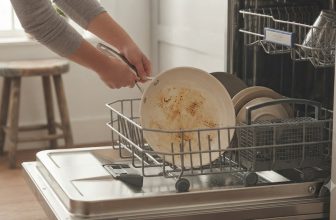
Benefits of Ceramic Non-Toxic Cookware for a Healthier Kitchen
Disruptions From Coating Breakdown In Active Kitchen Use
Ceramic coatings on cookware start to fray after repeated exposure above 260°C when metal utensils are in use. Micro-abrasions form. Thin spots develop. Food then sticks at those points during busy cooking sessions. Cooks must lower the heat or add oil partway through, which extends cooking time by three to eight minutes per dish based on portion size.
Wear shows first in high-contact areas such as the centre of frying pans and the lower walls of woks. Once the ceramic layer thins there, food bonds directly to the base. Stir-frying or searing batches in succession then requires scraping or soaking between steps, which breaks the flow of continuous preparation.
Consequences For Meal Timing And Surface Integrity
Exposed base material makes smoke control harder during repeated cooking. Pans that once stayed clear at medium-high heat now produce smoke at lower settings, so users pause for ventilation or change the menu order.
Worn patches also pick up stains from tomato sauces, turmeric and browned proteins more readily. These marks call for stronger cleaning, which speeds further wear. The pan stays usable yet requires tighter heat management and more regular cleaning to keep smoke low and surfaces presentable across multiple meals each week.
Ceramic Surface Response To Heat And Food Contact
Ceramic cookware stays almost entirely inert at ordinary stovetop temperatures. Independent tests by Kamerud et al. (2013) recorded nickel, chromium and cobalt migration below 0.1 μg per cm² even after six unbroken hours at 100 °C—true even in the presence of aggressive acids such as tomato or vinegar reductions.
Even at searing heat—180 to 220 °C—the glaze remains chemically unmoved. With the merest film of oil, proteins glide rather than grip. Strip that oil away, however, and lean cuts seize almost instantly, demanding immediate deglazing.
Water-based liquids behave with reassuring predictability. Stocks and sauces simmer at a gentle 90–100 °C, lifting in even, lazy bubbles that barely graze the base. The vitrified finish shows neither pit nor stain after countless cycles of fierce heat and sudden cooling.
Non Stick Effectiveness With Various Ingredients And Methods
Searing works when a small amount of high-smoke-point oil is used and the pan is preheated for 60–90 seconds. With this method, steaks and chops develop crust without clinging. Dry searing without oil leads to protein adhesion within 30 seconds and requires more force to release.
Stir frying performs best with oils that have smoke points above 200 °C. Vegetables and thinly sliced meats move freely for the first 4–5 minutes at medium-high heat. After that point, natural sugars begin to caramelise and light browning appears on the ceramic surface. Continued cooking without added liquid increases the chance of sticking.
Simmering delivers the most consistent non-stick results. Sauces, curries and broths containing water or stock show almost no adhesion during 20–60 minutes of gentle cooking. The ceramic surface requires only a quick rinse once the pan has cooled.
Yet the material exacts a price: above 180 °C, proteins and sugars will claim the surface unless oil or moisture intervenes. Absent those allies, the promised glide vanishes within minutes and the food bonds fast.
Endurance Constraints From Routine Handling And Cleaning
Ceramic non toxic cookware loses its non-stick performance after repeated washing and storage cycles. The smooth ceramic layer gradually develops micro-abrasions from normal scrubbing with sponges, brushes, and cutlery contact. Food begins to stick where it once released cleanly. The change shows up most clearly with eggs, pancakes, and delicate proteins after several months of daily use.
The original high-gloss finish dulls and develops faint discolouration in high-use zones. This is a permanent change that cannot be restored by cleaning.

Gradual Decline In Performance After Extended Exposure
After approximately 12 to 18 months of standard home use, most non toxic ceramic cookware brands show measurable decline in release quality. The surface no longer achieves the same effortless food release it had when new, even when oil is used. Washing in dishwashers accelerates this process compared with hand washing. Repeated exposure to dishwasher detergents and high water temperatures softens the ceramic coating faster, leading to earlier loss of non-stick properties.
Ceramic non toxic cookware performs best in the first year. After that, sticking increases by degrees, cooking times stretch, and more oil is required. Many replace the pans within two years once the performance gap becomes noticeable.
Comparative Behaviour To Stainless Steel And Other Common Surfaces
Ceramic non toxic cookware responds with almost startling speed. Where stainless steel needs a full minute under medium flame to reach cooking temperature, ceramic crosses the threshold in roughly half that time. Adjustments arrive instantly, yet the same quicksilver nature works against it: the moment food lands or the pan leaves the hob, temperature collapses. What it gains in agility it quietly surrenders in endurance; long simmers lose their steady pulse far sooner than in stainless or cast iron.
Metal utensils exact a visible toll on ceramic non toxic cookware far sooner. A few months of daily contact with steel spatulas or whisks etch a delicate web of scratches across the surface. Stainless steel, by contrast, wears its scars lightly; the same tools leave only faint traces that neither impair performance nor disturb the eye. The price of that softness is a shortened life for the smooth cooking plane; stainless simply shrugs and continues.
Cleaning habits diverge in character as much as effort. A ceramic non toxic cookware pan wiped while still warm yields to nothing more than a soft sponge and hot water. Allow residue to cool and harden, however, and it clings with a stubbornness stainless rarely matches, often demanding a patient soak. Stainless forgives procrastination more readily, though it may reward overheated oil with stubborn rainbow halos. Ceramic rewards vigilance; stainless tolerates neglect.
Pale surfaces on ceramic non toxic cookware pick up stains from tomato, turmeric and certain vinegars after repeated high-heat use. Stainless steel and dark enamel resist such discolouration almost entirely. Strong pigments gradually tint the lighter ceramic despite regular cleaning.
Cast iron and carbon steel hold heat long after removal from the hob and keep cooking food that has left the element. Ceramic non toxic cookware stops almost at once. The difference suits ceramic to tasks that need tight temperature control and rules it out for dishes built around residual heat.
Space Saving And Visual Fit In Minimalist Setups
Flat bases and straight sides let ceramic non toxic cookware stack more stably than stainless steel pans with flared lips. Three ceramic pieces take roughly 30 percent less vertical cabinet height than an equal number of typical tri-ply stainless pans. Minor surface scratches later reduce that advantage; the pieces begin to bind and refuse to nest as tightly.
In all-white or neutral kitchens, ceramic surfaces keep a uniform matte or low-sheen look that matches minimalist cabinetry longer than polished stainless steel. Stainless quickly shows water spots and fingerprints that need daily wiping. Ceramic needs only occasional attention to stay visually quiet, while stainless demands consistent maintenance.
Ceramic non toxic cookware marks more readily when stacked against other hard surfaces or metal lids. Direct contact inside tight cabinets can raise hairline chips along rims and bases if pieces are dropped or stored without separators. Stainless shows no comparable edge damage under identical conditions. Minimalist storage without protective layers shortens the visual life of ceramic far faster than stainless.
Stability Questions Regarding Daily Utensil And Heat Exposure
Metal utensils scar ceramic non toxic cookware in a matter of weeks. The coating, far gentler than stainless steel, aluminium or cast iron, yields under their edge. Once breached, oils and food seize the exposed base. Within three to six months of daily use the non-stick surface is effectively gone.
Wood, silicone and nylon glide without gouging. Handled gently and kept below 260 °C, they keep the pan slick for a year or even two. Yet push the temperature higher and the coating fails regardless of what touches it. Micro-cracks spider across the surface, the once-smooth finish turns matte, and food clings even where no scratch exists.
High heat itself erodes the coating faster than mechanical wear. Repeated exposure above 260 °C shortens functional life from years to months for anyone who sears often.
Boundaries For Maintaining Surface Condition Over Use Periods
Stay beneath 200 °C and reach only for wood, silicone or nylon, and the surface can remain serviceable for eighteen to thirty-six months. Cross either line with any regularity and the decline is swift. Metal utensils chew through that lifespan in under a year. Habitual searing above 260 °C slashes it to six or nine months even with the gentlest tools.
Convenience exacts its price. Metal spatulas and blistering heat deliver speed and fond at the cost of early replacement. Gentler utensils and modest flame grant years of service, yet they ask for patience through slower browning and longer cook times.
These thresholds emerge from years of watching pans age in actual kitchens, not from sterile lab trials. No independent multi-year study has yet charted precisely how different utensils and temperature regimes erode ceramic surfaces over time. Most non toxic ceramic cookware brands show the same pattern once the boundaries are crossed.
Alignment With Apartment Lifestyle Cooking Demands
Ceramic non toxic cookware releases almost no metal during ordinary use, far less than uncoated stainless or aluminium. Kamerud et al. (2013) recorded up to 88 µg of nickel and chromium per acidic serving from stainless pans, while ceramic-coated equivalents stayed below 5 µg.
In tight open-plan apartments this matters. Metallic vapours do not appear when the pan reaches 200 °C, so indoor readings stay near background levels.
Yet the material’s thermal personality brings constraints. It reaches cooking temperature in two or three minutes on medium induction, then holds heat with stubborn persistence for four to six minutes after removal from the burner. In a compact kitchen that lingering warmth delays washing and clearing, turning the single small bench into a temporary bottleneck.
Weight and geometry add to the storage problem. A 28 cm ceramic-coated frypan typically weighs between 1.4 and 1.9 kg, roughly thirty percent heavier than its aluminium counterpart, while its thick, flared rim defeats easy nesting. Four such pans consume nearly forty percent more vertical cupboard space than a stack of pressed aluminium.
Durability follows a clear pattern. Silicone and wood leave the surface untouched, but metal utensils or abrasive pads create visible scratches. Once the ceramic layer is breached, the underlying metal begins normal release. For daily apartment use, that usually means a practical lifespan of two to four years before performance falls below the low-emission level that supported the original purchase.
Profiles Best Suited To Ceramic Non Toxic Cookware And Alternatives To Consider
Ceramic non toxic cookware suits cooks who work at medium heat, use only silicone or wooden utensils, and place priority on minimal metal release in open living spaces. These habits remain within the coating’s 260 °C limit, reduce wear, and keep emissions low enough for the modest ventilation most small apartments provide.
Other patterns quickly exceed its limits. High-heat searing above 220 °C, routine use of metal spatulas, or the need for fast cool-down and tight stacking expose the material’s weaknesses. Heat lingers, weight becomes awkward in narrow drawers, and the ceramic layer degrades faster than daily rhythms allow.
Stainless steel sets a clearer boundary for high-heat users. It withstands metal utensils and temperatures above 400 °C without coating failure, though it releases measurable nickel during acidic cooking. Cast iron meets the lowest-emission requirement if the user accepts three to five kilograms and a fifteen-minute cool-down before storage.
Carbon steel delivers fast heat-up, low weight, and full nesting, provided the cook accepts seasoning and higher metal release in the early months. In apartments where swift cleaning and vertical storage matter more than absolute minimum emissions, these uncoated options often create fewer daily compromises than ceramic non toxic cookware.