Traditional Non Toxic Indian Cookware Essentials For Daily Use
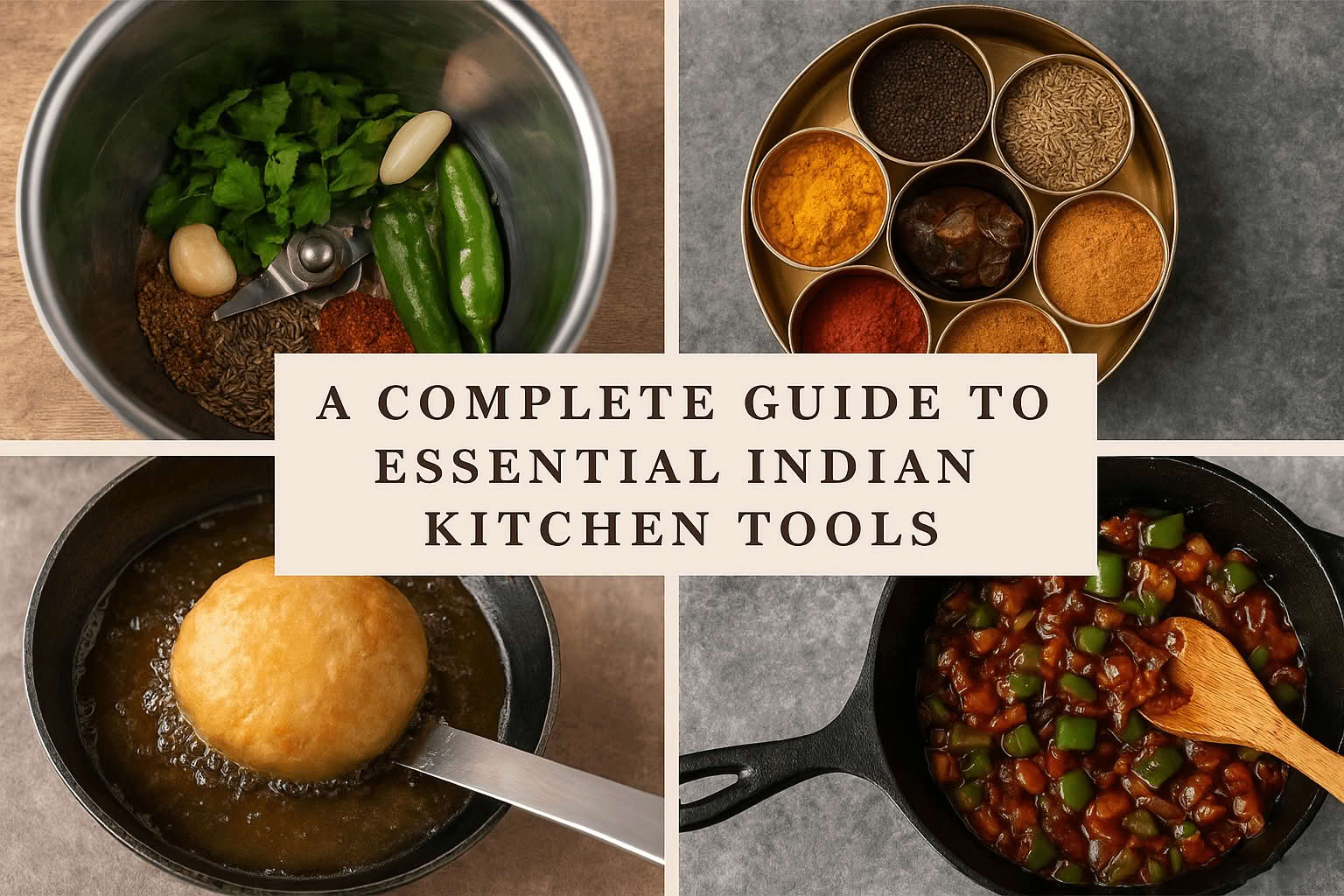
Essential Indian Cooking Utensils Names and Uses
Indian households cook several dishes each day. They rely on a small set of utensils. Learning the common names and uses helps you pick tools that handle daily meals without filling cupboards.
Material choice affects heat spread, oil use and cleaning needs. Cast iron, clay, brass and bronze behave differently from aluminium or stainless steel. Cast iron holds heat after preheating. This suits slow simmering. Clay pots release moisture slowly, which works well for lentils. Brass and bronze heat fast but need regular cleaning to avoid tarnish.
These differences matter in small kitchens. Utensils must move straight from one task to the next.
Most Used Items Like Kadai and Tawa
A kadai is a deep pan with two handles. It suits high-heat frying, stir-frying vegetables, thick gravies and tadka. The curved shape lets oil pool at the base while food cooks on the sides.
Cast iron kadais build a natural non-stick layer over time. They need drying after washing and occasional oiling. Aluminium versions heat faster but can warp on high flame. A 2–3 litre cast iron kadai fits four to six servings and stores easily.
A tawa is a flat round griddle. It cooks chapatis, parathas, dosas and shallow-fried snacks. Cast iron tawas spread heat evenly once hot. This helps rotis puff with little oil. They need seasoning and should not soak.
Aluminium or non-stick tawas cook at lower heat but lose their surface over time. A 28–30 cm cast iron tawa fits most stoves. It can also toast spices or roast papads.
Both items replace several single-purpose tools. One seasoned kadai can deep-fry pakoras, reduce masala and temper dal. One tawa handles dosas, rotis and snacks. In small kitchens this cuts storage and washing.
Cast iron pieces feel heavy and take time to heat. Clay versions crack with sudden temperature changes. Brass needs polishing. Coated versions skip these steps but need replacement when the surface thins.
Choose based on your stove, how often you cook and how much maintenance you accept. Cast iron and clay suit cooks who like traditional results. Aluminium or stainless steel suit those who want lighter weight and faster cleaning. Try one utensil at a time to see what fits your habits.
Traditional vs Modern Indian Cookware Utensils
Indian kitchens rely on two main types of cookware. Traditional options include cast iron, clay, brass and bronze. Modern versions use stainless steel or non-stick coatings.
The real difference appears during daily cooking. Traditional materials keep their cooking surface intact for decades. Modern coatings often wear out after a few years of high-heat use and repeated oil.
Busy weeknight meals show this gap clearly. One pan might move from tempering spices to frying onions then simmering curry. A non-stick surface can start to flake after two or three years of this routine. Once flakes appear, food sticks and small particles can reach the meal.
Traditional cast iron or clay has no coating to fail. The same cooking steps leave the utensil unchanged. This reduces long-term cost and avoids repeated replacement.
Heat Handling and Routine Cleaning Trade Offs
Cast iron and clay heat slowly and evenly. Their thickness helps hold steady temperatures during long simmers or spice browning. Brass and bronze transfer heat faster than clay yet still avoid the hot spots common in thin aluminium or coated steel.
Non-stick coatings heat quickly at first. Once the surface thins or scratches, heat spreads unevenly and creates the very problem traditional materials prevent. Budget stainless steel without a thick base layer shows the same issue.
Cleaning follows different rules. Cast iron needs quick drying and a light oil coat to stop rust. Clay should avoid harsh scrubbing or long soaks. These steps take a few extra minutes but preserve the surface.
Non-stick pans wipe clean faster with a soft sponge. Any metal utensil or abrasive pad leaves micro-scratches that shorten the coating life. Once the surface degrades, cleaning becomes harder than with well-seasoned cast iron.
A common error is blasting high heat on coated pans during tempering. The coating breaks down sooner and forces earlier replacement. Leaving clay or cast iron wet overnight leads to cracks or rust that simple drying prevents.
Match the utensil to the task. Use coated pans for quick, low-oil dishes. Choose traditional materials for frequent high-heat or slow-simmer recipes. This approach helps readers compare essential Indian cooking utensils names and uses across different budgets and kitchen styles.
Traditional Indian Cookware Materials Brass Bronze Clay Cast Iron Benefits
Four materials have supported Indian kitchens for generations: brass, bronze, clay and cast iron. Each one handles heat in its own way. Brass and bronze warm up evenly and stay stable under high flame. Clay draws in moisture slowly and releases it during long cooking. Cast iron holds heat for a long time and builds a natural layer with regular use.
These traits matter for families that cook every day. The utensils face repeated heating, cleaning and storage. Unlike coated pans, they have no surface layer that wears away. This cuts down on replacements and keeps small particles out of food. Cast iron can add small amounts of iron to acidic dishes. Unglazed clay can soften the acidity of a dish as it cooks.
Choose the material based on the dish. Bronze and brass work well for quick frying and tadka because they respond fast to heat changes. Clay pots suit slow simmering of lentils or rice. Cast iron excels at searing flatbreads or holding steady heat for thick gravies. Most families keep a mix of these utensils rather than one type.
Care differs by material. Brass and bronze need occasional polishing to remove oxidation. Clay must dry slowly after washing to prevent cracks. Cast iron should be dried and lightly oiled to keep its layer intact. These habits become routine and remove the need to replace pans often.
Avoiding Coating Degradation in Family Cooking
Modern non-stick and ceramic coatings wear down from scraping, stacking and dishwasher use. Scratches expose the base metal and allow small particles into meals. Traditional brass, bronze, clay and cast iron have no coating, so the surface stays stable for years.
Cast iron builds a protective oil layer through regular cooking and proper drying. This layer improves over time when the pan is not left wet or scrubbed hard. Unglazed clay lets steam pass through the walls. Brass and bronze remain usable for decades, though the inside may need occasional tin lining if acidic foods cause wear.
Homes that cook multiple meals daily avoid the worry of checking for scratches. Tomato or tamarind dishes no longer risk reactions with damaged surfaces. The main trade-offs are weight and care. Cast iron feels heavy. Clay can crack from sudden temperature changes. Bronze and brass conduct heat well but may need lining for very acidic foods.
Common mistakes include storing cast iron while damp, which causes rust, or placing a cold clay pot straight onto high heat. These problems are easy to avoid. Dry iron right after washing and let clay warm up gradually. Rotating between materials for different recipes lowers long-term costs and keeps cooking consistent.
Using and Caring for Traditional Indian Utensils
Traditional Indian utensils like brass kadais, bronze vessels, clay handis and cast iron tawas need careful handling. Each material reacts differently to water, heat and cleaning products. The right approach keeps them working well for years. This section covers practical care steps and explains which ones can safely go in a dishwasher.
Dishwasher Safety for Brass Bronze Clay and Cast Iron
Brass kadais develop a warm patina from regular use. Dishwasher detergents strip this layer fast and leave dull spots. Wash them by hand with mild soap, then dry straight away. A quick rub with lemon or tamarind paste brings back the shine if spots appear.
Bronze vessels contain copper that reacts to chlorine. One dishwasher cycle can leave a green film that is hard to remove. Clean bronze while it is still warm with a soft cloth and gentle cleaner. A light coat of food-grade oil after drying helps protect the surface.
Clay handis are made to breathe. Steam from the dishwasher soaks into the pores and creates tiny cracks. Soak them in warm water with baking soda instead, then scrub gently. Let them dry in the shade to avoid warping.
Cast iron relies on a thin layer of seasoned oil. Dishwasher cycles wash this layer away and rust forms within hours. Clean cast iron while it is still warm with hot water and a stiff brush. Dry it over low heat and rub on a thin film of oil straight away.
Many people assume all metal utensils can go in the dishwasher. Testing this with clay or cast iron often leads to permanent damage. The safer habit is to reserve the machine for stainless steel or hard anodised pieces. Hand washing protects the cooking quality and the natural character of brass, bronze, clay and cast iron.
Common Mistakes When Using Indian Cooking Utensils
Most damage to Indian cooking utensils happens before the first sizzle. Heat slammed on too fast, harsh scrubbing, or storing pieces while damp all shorten their life and risk food safety.
Traditional materials like brass, bronze, clay and cast iron each react differently to heat and moisture. Treating them the same way invites cracks, rust or off flavours.
Heating, Cleaning and Storage Errors with Brass, Bronze, Clay and Cast Iron
Brass and bronze spread heat evenly. Overheat them or scrub with steel wool and tiny amounts of metal can leach into food. Medium heat works best. Dry them straight after washing to stop tarnish from forming.
A brass kadai left empty on a high flame quickly discolours. Acidic ingredients like tamarind then react with the surface. Heat gradually and reach for wooden or silicone tools to avoid scratches that trap bits of food.
Clay pots need slow warming. Drop a cold handi onto a hot burner and internal stress builds fast. Hairline cracks often appear after a few uses. Season new pots by soaking them overnight then heating gently with water. This step lowers porosity and cuts breakage risk.
Never pour cold water into a hot clay pot. The sudden temperature change fractures the structure. Once seasoned, clay rewards steady heat and careful handling.
Cast iron loses its seasoning to detergent and moisture. Rust can bloom within hours if the pan stays wet. Wipe it while still warm, rub on a thin film of oil and store it dry. Stacking pieces without a cloth between them chips the surface and creates sticky spots later.
Bronze and brass tempering vessels should come off the heat as soon as spices colour. Extra heat warps thin walls and makes handles too hot to touch. Stainless steel versions handle higher temperatures but still need drying to prevent water marks.
Storage errors add to the damage. Nest clay pots without padding and the rims chip. Hang cast iron for weeks on a small hook and the handle can bend. Brass or bronze left against acidic cloths during storage tarnishes faster. Wrap each piece in a clean dry cloth and keep it in a ventilated cupboard instead of a sealed plastic box.
Each material carries its own limits. Force one cleaning routine on all of them and the cookware eventually shows the strain.
Selecting Indian Cooking Utensils Based on Your Needs
Choosing the right Indian cookware starts with honest self-assessment. How often do you cook? How many people do you feed? How much time can you spare for aftercare?
A vessel’s real cost shows up over years, not at the checkout. Durability, cleaning demands and replacement frequency all shape the final expense. Traditional materials such as brass, bronze, clay and cast iron each bring their own temperament. Stainless steel and non-stick coatings answer with different trade-offs. Knowing these differences helps you build a kitchen that works without constant extra labour or spending.
Balancing Price to Performance Safety and Space
A low ticket price can mislead. Cast iron and seasoned clay often cost a modest amount upfront yet last decades with proper care. Stainless steel asks for more money at purchase but resists warping under daily high heat. Non-stick surfaces look cheap at first, yet most need replacement every two to four years once the coating wears.
Dishwasher compatibility reveals the biggest split between old and new. Brass and bronze lose their protective patina in strong detergents and turn dull. Cast iron demands immediate hand drying or rust appears. Clay pots absorb flavours and can crack from sudden temperature shifts or machine cycles. Stainless steel and hard-anodised aluminium usually survive the dishwasher, though repeated exposure eventually dulls their shine.
Storage space limits choices in many homes. Heavy cast iron and large clay handis take up significant cupboard real estate. Brass and bronze stack more easily but need dry conditions to avoid moisture damage. Modern stainless steel sets or nesting aluminium kadais make better use of vertical space while still covering daily Indian cooking tasks.
Material reactivity with acidic foods such as tamarind or tomato matters too. Untinned brass and bronze can release metals into food, so they require periodic tin re-coating. Well-seasoned cast iron adds small amounts of iron, which suits some diets but can affect taste if the seasoning is neglected. Non-stick surfaces avoid reactivity until the coating begins to flake, at which point replacement becomes necessary.
Common missteps include buying the cheapest non-stick set without checking coating quality or choosing decorative brass without planning for regular polishing. Another error is expecting every traditional material to suit every cooking style. Clay works best for slow simmering while cast iron handles high-heat searing more effectively. List your most frequent dishes, available storage and weekly cleaning time before deciding between traditional and modern options.