9 Best Non Toxic Cookware Brands Of 2026
Food Sticking During Family Breakfast Routines
Eggs and pancakes cling once a non-stick coating wears. This shows up after 12 to 18 months of daily use in homes cooking for three or more children. Each stuck batch then takes three to seven minutes of extra scraping. Over a school week the lost time adds up to 30 to 50 minutes. Families therefore swap the pans every one to two years once food no longer releases cleanly.
Stainless steel pans release food almost completely when preheated to 180 °C and a little oil or butter is added. Skip that step and eggs or oatmeal still grip the surface, needing a soak. Cast iron keeps heat so steadily that leftover breakfast food sets hard unless the pan is deglazed straight after cooking. Carbon steel follows the same pattern yet asks for seasoning upkeep that busy households often skip.
These patterns drive repeat purchases. A family cooking with coated pans each weekday morning will buy replacements several times before the children finish primary school. The ongoing cost of new pans and the daily minutes spent scraping become regular parts of the weekly schedule.

Why This Prompts Material Reevaluation
Coating wear on non-stick pans leads to higher long-term spending because the pans need replacing far more often than uncoated options. In homes with several children this cycle repeats every 18 to 24 months instead of every 10 to 15 years for well-maintained stainless steel or cast iron.
The extra scraping and repeated buying raise both time and money costs during already tight weekday mornings. Stainless steel and cast iron remove the repurchase cycle but require exact preheat steps and immediate cleaning. Non-stick coated pans remove the need for technique while the coating holds, yet they set a fixed replacement schedule once that coating thins.
Each material therefore sets a clear line: accept regular repurchasing and scraping, or accept the need for specific cooking habits and upkeep. The decision rests on which trade-off matches the household routine.
Core Cooking Response In Safe Materials
Uncoated stainless demands a full preheat above 180 °C before the first drop of oil touches metal. Only then do eggs lift cleanly after forty-five seconds, leaving virtually no trace. The same pan shrugs off repeated cycles above 220 °C without a hint of surface change—yet it brooks no sloppiness in temperature control. Too low and eggs bond hard. Too high and proteins scorch quickly.
Cast iron and carbon steel play by different rules. They require a hard-earned seasoning before they will let eggs glide free—and even then the release never matches the surgical crispness of stainless on the first cook of the day. Every searing above 200 °C nibbles away at that seasoning, forcing a full refresh every eight to fifteen uses. The reward is strong heat retention. The price is constant upkeep.
Uncoated aluminium will release eggs cleanly enough—provided the pan is properly hot and generously oiled. Yet it forgets its manners faster than stainless. Repeated high heat or a single trip through the dishwasher roughens the oxide layer. After twenty or thirty cycles, cleaning becomes a chore.
Bare copper offers the most instantaneous release of any metal when hot. Its flaw is temperament: it quarrels with acid, darkens at the slightest provocation, and demands frequent polishing. Repeated cycles above 180 °C paint the surface with shifting colours that are harmless but impossible to ignore.
Real Behaviour When Frying Eggs
Stainless truly shines after a proper 30-to-60-second preheat. Egg proteins set, lift, and leave the pan almost pristine. A quick wipe once cooled is all that’s required—unless the temperature was too timid. Then the bond is vicious and demands soaking.
Seasoned cast iron and carbon steel need five to ten minutes of steady heat before they settle into reliable performance. The first egg of the morning usually pays a tax of residue. Cleanup is simple but ritualistic: hot water, a stiff brush, no soap. One dishwasher cycle and the entire seasoning must be rebuilt from scratch.
Uncoated aluminium starts promisingly when hot and slick. Over thirty or forty high-heat egg fries, however, microscopic pits begin to snag. What was effortless becomes laborious. The surface gradually turns hostile.
Nothing beats copper for sheer speed of release when the heat is right. Yet its tolerance is razor-thin. Any lingering acid from yesterday’s sauce will etch dark fingerprints overnight. The cook is then forced to polish before the next round, or the pan arrives at the stove already compromised.
Dishwasher Use Effects On Coating Endurance
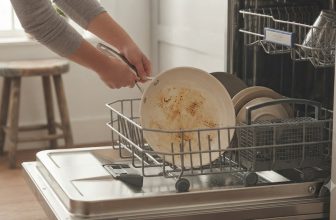
Dishwasher cycles strip microscopic layers from non-stick coatings with every run. Strong alkaline agents in most tablets attack the polymer lattice in PTFE surfaces. Over time this erosion thins the coating and dulls release performance after 50 to 80 cycles in mid-range pans.
Hard water compounds the problem. Mineral scale forces stronger detergent or hotter programs, both of which speed surface loss. Cast iron and plain stainless steel show no such change even after hundreds of cycles. Ceramic coatings surrender their slip faster than PTFE under the same daily loads, often turning sticky inside 12 to 18 months.
Premium PTFE finishes sold as dishwasher safe still lose material. Independent measurements record 0.1 to 0.3 micrometres removed per cycle at standard 65 °C settings. That loss stays permanent.
Longevity Trade Offs Revealed
Daily machine washing cuts the useful life of a coated pan to roughly one-third of hand-washed service. A piece that lasts four to five years with manual care drops to 18 to 24 months under constant dishwasher use.
The choice sits between washing convenience and earlier loss of non-stick behaviour. Once the surface wears through, food sticks no matter the original price.
Uncoated stainless steel and properly seasoned cast iron carry no such limit. Their surfaces stay unchanged by repeated cycles, so the wear cycle disappears for anyone who runs the dishwasher every day.
Stainless Versus Other Materials Performance Comparison
Stainless steel cookware commands $80 to $350 for a typical five-to-seven-piece set. Cast iron slips in far lower at $30 to $120, while carbon steel sits between $40 and $180. Non-stick aluminium or stainless hybrids start at $60 and rarely exceed $200.
Stainless needs seasoning only across its first three to six uses. After that point a properly preheated pan sheds food without oil. Cast iron and carbon steel, by contrast, require oil after every wash plus fresh seasoning every four to twelve weeks. Non-stick coatings look maintenance-free until oil is skipped; without that thin layer the coating itself starts to break down.
A stainless pan endures 25 to 40 years of daily use. Cast iron and carbon steel reach 25 to 50 years when seasoning is kept intact. Non-stick coatings show the first scratches or pitting between 18 months and 4 years, after which the pan must be replaced.
Stainless sheds measurable amounts of iron, chromium and nickel in the first 10 to 20 uses, according to Kamerud et al. 2013, then settles at very low levels. Cast iron releases iron most noticeably in its first year, especially with acidic foods, before the rate drops. Coated pans release no metal until the surface wears through and the substrate underneath is exposed.
Stainless tolerates metal utensils and dishwasher cycles without loss of performance. Cast iron and carbon steel cannot enter a dishwasher and must avoid soap to preserve seasoning. Non-stick coatings forbid metal utensils and temperatures above 260 °C.
Added oil concern is addressed by preheat technique. Stainless steel needs the pan heated for 60 to 90 seconds on medium until a water drop beads and dances. Most foods then release cleanly. This single habit unlocks the full 25-to-40-year span. Coated pans that skip oil still fail in 2 to 4 years through thermal breakdown of the coating. The difference produces six to ten times longer service life for stainless once the preheat method is followed.
Boundary From The Maintenance Objection
Stainless removes the daily oiling and re-seasoning that cast iron and carbon steel require, eliminating the main reason users abandon those materials in the first year. The trade-off is that stainless still depends on correct preheat technique for low-oil results. Without it food clings and some cooks add excess oil, losing the maintenance advantage.
Coated non-stick eliminates both the technique and the maintenance load for the first two to three years. After that point the burden simply becomes frequent replacement. If a household will not preheat stainless correctly, cast iron or carbon steel with daily oiling delivers similar longevity at higher ongoing effort. If zero maintenance is required for the first three years, coated pans remain the only choice, accepting replacement every 2 to 4 years. Stainless occupies the middle ground where one consistent technique delivers the longest usable life with the lowest lifetime maintenance frequency.
Verdict Framework Using Key Decision Criteria
Stainless steel 18/10 leaches nickel and chromium into acidic foods at high heat. Kamerud et al. 2013 recorded nickel levels up to 88 µg per serving in tomato sauce cooked for one hour. This outstrips the daily nickel intake of many sensitive individuals, so the material tolerates only limited acidic dishes and demands hand-washing in busy homes.
Cast iron seasoned with flaxseed oil or lard shows no measurable non-stick performance after four to six months of daily use. The seasoning breaks down and food sticks. Hand-washing plus immediate drying remains essential to avoid rust, while the true hourly cost climbs once replacement or re-seasoning time is counted in a seven-day household.
Carbon steel mimics cast iron yet warps more readily on high-output gas burners. It sheds its glide faster under dishwasher cycles or abrasive scrubbing. The supposed lightness is immediately forfeit against the added daily care required.
Ceramic-coated aluminium sheds its non-stick layer after 300 to 600 dishwasher cycles or when metal utensils are used. Once compromised the pan sticks and cannot be restored. Retail prices sit 40 to 70 percent higher than uncoated stainless equivalents, delivering no extension in functional lifespan under busy family conditions.
Hard-anodised aluminium with PTFE coating delivers the most durable slickness provided heat stays low to medium and only silicone or wooden utensils are used. It survives occasional dishwasher cycles better than standard ceramic coatings yet eventually surrenders non-stick performance after 18 to 24 months of daily use. At that point replacement cost matches or exceeds the original outlay.
Pure titanium pans boast perfect inertness yet refuse to cooperate from day one. Every task demands added fat. Their high price buys nothing a busy kitchen can use.
Judgment On Suitability For Busy Homes
Stainless steel 18/10 works only when acidic foods are limited and pans receive hand-washing. It offers no non-stick retention and forces extra planning around nickel-sensitive family members.
Cast iron and carbon steel collapse first. Both demand daily hand maintenance and lose non-stick performance within months, creating consistent extra work that does not fit seven-day meal production.
Ceramic-coated pans last the shortest time under real family conditions. Dishwasher use or metal utensils destroy the coating quickly, collapsing the moment convenience is asked of them.
Hard-anodised PTFE-coated aluminium sets the clearest performance boundary. It retains non-stick longest under strict low-to-medium heat and non-metal utensils, survives occasional dishwasher cycles, and offers acceptable price efficiency for the first 18 to 24 months. Beyond that point replacement frequency matches lower-cost stainless options.
Uncoated titanium is least suitable. Poor non-stick behaviour forces added oil or butter every use, removing any time-saving benefit in a busy kitchen despite its high price and inert surface.
Buyer Fit Analysis For Long Term Ownership
Stainless steel stands apart because it tolerates daily dishwasher cycles without surface change. Kitchens that rely on the machine therefore extract the longest service from 18/10 grades such as All-Clad D3, Demeyere Atlantis and Scanpan Impact. Independent testing recorded no measurable rise in metal release after thousands of cycles (Kamerud et al. 2013).
Cast iron and carbon steel supply stronger heat retention and searing performance than other options. In return they require hand washing, immediate drying and periodic seasoning. Run them through the dishwasher and the seasoning disappears within weeks, forcing repeated restoration.
Ceramic-coated cookware supplies non-stick release for two to four years under typical conditions. Exposure to high heat, metal utensils or abrasive pads shortens that span. Dishwasher cycles accelerate the loss. Only careful hand washing with soft sponges and medium heat settings allows the coating to reach its expected life.
Non-stick PTFE cookware stays consistent when temperatures remain below 260 °C and metal utensils are avoided. Dishwasher cycles do not destroy the coating, yet repeated overheating speeds breakdown. Households that observe those limits obtain reliable performance for three to five years.
Pure ceramic cookware, free of PTFE, distributes heat evenly yet develops micro-cracks when temperatures shift rapidly. It withstands dishwasher use better than most coated surfaces but remains more brittle than stainless steel or cast iron. Users who prevent thermal shock and accept occasional surface crazing can keep it for extended periods.
Clear Boundaries For Buyers
Stainless steel suits any household that runs the dishwasher daily and wants maintenance-free service beyond fifteen years.
Cast iron or carbon steel makes sense only when the owner commits to hand washing, immediate drying and ongoing seasoning throughout ownership.
Ceramic-coated and traditional non-stick options fit kitchens prepared to hand wash with soft tools, avoid metal utensils and replace the pans every three to five years.
Households unwilling to hand wash should stay with stainless steel. Those who accept basic daily care gain access to cast iron, carbon steel and longer-lasting non-stick pieces with lower replacement frequency over time.
*Affiliate Disclosure: This post may contain affiliate links, which means I may receive a small commission if you click on a link and make a purchase. There is no extra cost to you, and I only recommend products or services I genuinely believe in. Your support helps keep this site running, so thank you for reading!”
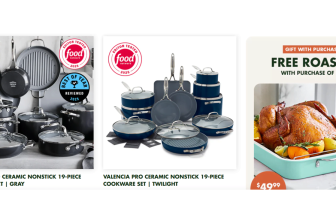
Caraway Ceramic Nonstick Cookware Set
Best Overall Non-Toxic Cookware
Caraway’s ceramic-coated cookware is a stylish and safe alternative to traditional nonstick pans. It features a PFOA-, PTFE-, and heavy metal-free coating, making it a great choice for those who want a chemical-free cooking experience. The set includes a frying pan, saucepan, sauté pan, and Dutch oven, all designed for even heat distribution and easy cleaning.
🔹 Why Consider It? If you want a modern, aesthetically pleasing cookware set that is also non-toxic, Caraway is a strong contender. The ceramic coating ensures easy food release, while the aluminum core provides quick and even heating.
🔹 Best for: Everyday cooking, those looking for eco-friendly, toxin-free nonstick cookware.
🔹 Pros: Elegant design, available in multiple colors, oven-safe up to 550°F.
🔹 Cons: Not metal utensil-safe, requires gentle care to maintain the nonstick surface.
Extra Features:
- Non-toxic mineral-based coating
- Compatible with all stovetops, including induction
- Free from lead and cadmium
- Comes with convenient storage organizers
GreenPan G5 Hard Anodized Nonstick Cookware
Best PFAS-Free Nonstick Option
GreenPan is known for pioneering healthy nonstick cookware with its Thermolon™ ceramic coating, which is derived from sand and free of PFAS, PFOA, lead, and cadmium. The hard-anodized aluminum body enhances durability and resists scratches, making it ideal for daily use.
🔹 Why Consider It? Unlike conventional nonstick pans, GreenPan does not release toxic fumes at high temperatures, making it a safer alternative. It also features a stainless steel handle for durability and an oven-safe design up to 600°F.
🔹 Best for: Those looking for a nonstick pan without PFAS, ideal for frying, sautéing, and low-oil cooking.
🔹 Pros: Scratch-resistant, dishwasher-safe, strong and lightweight.
🔹 Cons: The nonstick surface may wear over time, especially with frequent use.
Extra Features:
Reinforced ceramic coating for added durability
Stay-cool ergonomic handles
Compatible with gas, electric, and induction stoves
Enameled Cast Iron Signature Round Dutch Oven
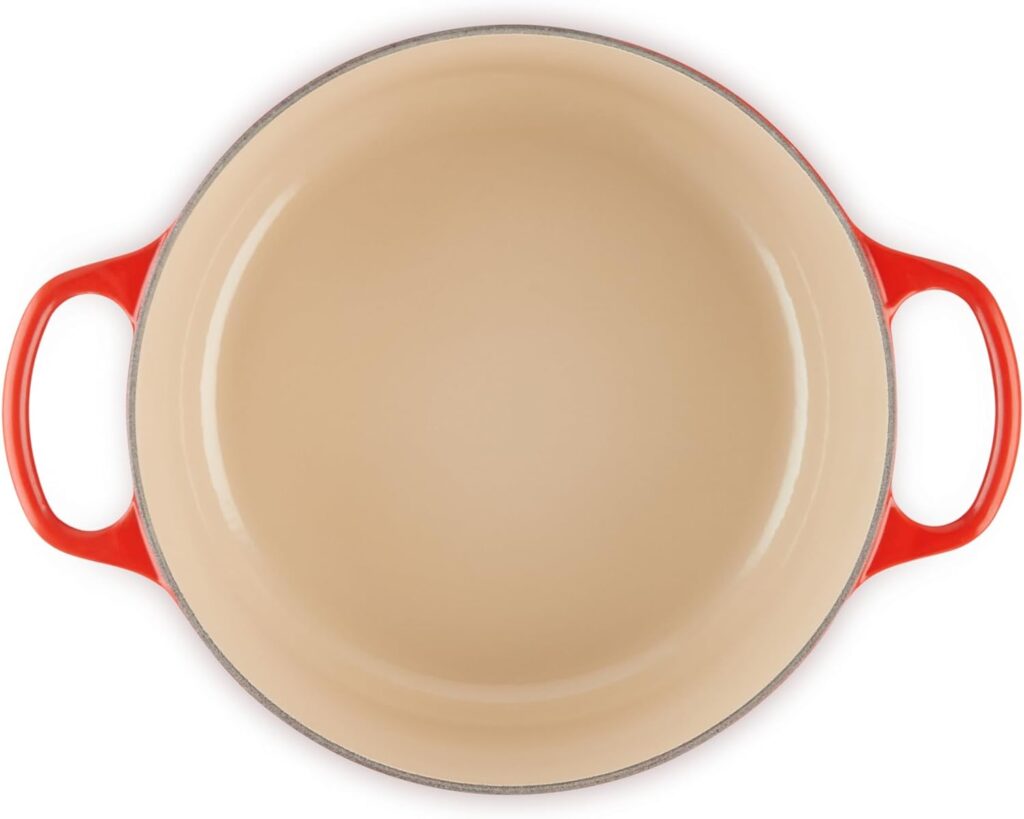
The Le Creuset Enameled Cast Iron Signature Round Dutch Oven in Cerise is a premium kitchen essential known for its durability, versatility, and timeless design. While it may come with a higher price tag, it offers exceptional quality and performance. Made from high-quality cast iron with an enamel coating, it provides even heat distribution, easy cleaning, and resistance to rust and corrosion.
Price: From $278+
Materials: Made of durable cast iron with an enamel coating for easy cleaning and maintenance.
Notable Features: Classic design, versatile for various cooking techniques, generous 5.5-quart capacity, stylish Cerise color option.
Safety Standards: Adheres to stringent quality control measures, including non-toxic enamel coating free from harmful chemicals like lead and cadmium.
Korean Stoneware
Price: $51.47
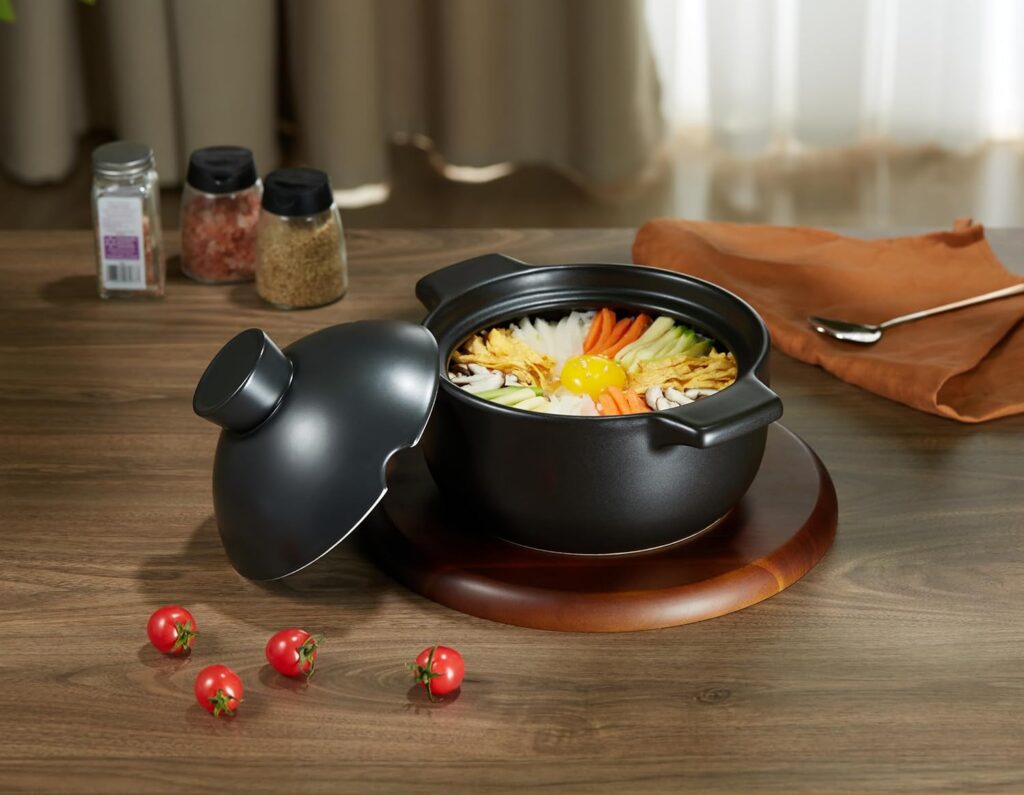
Materials: Ceramic: Ceramic is a durable and heat-resistant material suitable for cooking a variety of dishes. It retains heat well, allowing for even cooking and keeping food warm for longer periods.
Notable Features:
- Versatility: The ceramic bowl is designed for cooking a range of Korean dishes such as hot pot, Dolsot Bibimbap, and soups. Its versatility makes it a practical addition to any kitchen.
- Lid: The included lid helps to trap heat and moisture, which is essential for cooking certain dishes and keeping them warm until serving.
- Traditional Design: The bowl likely features a traditional Korean design, which adds an authentic touch to the dining experience.
Safety Standards: Ceramic cookware is generally safe for cooking, but it’s important to ensure that it’s made with food-grade materials and free from harmful substances like lead and cadmium. Reputable brands maintain strict safety standards to ensure the health and well-being of consumers.
SENSARTE Nonstick Ceramic Cookware
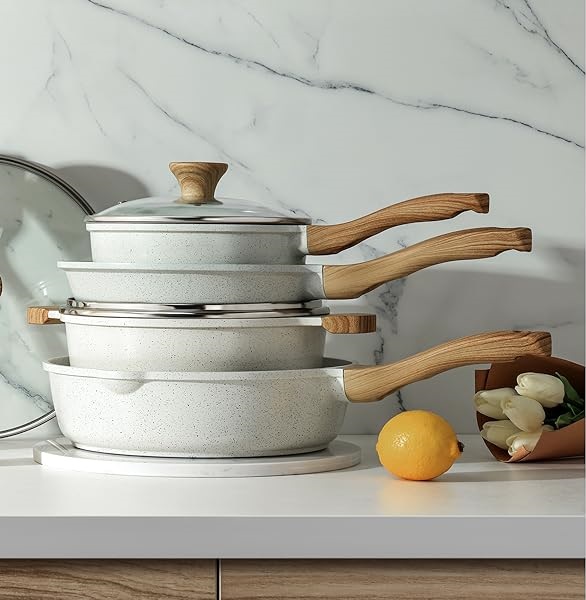
SENSARTE Nonstick Ceramic Cookware offers a balance of quality and affordability. Made from ceramic, it ensures non-toxic cooking and even heat distribution. Its nonstick surface facilitates easy cleanup, while its compatibility with various cooktops and oven-safe design adds to its versatility. Meeting stringent safety standards, it provides a reliable and healthy cooking experience.
Price: $149+
Materials: The cookware is made from ceramic, which is known for its non-toxic and non-reactive properties. Ceramic cookware is free from harmful chemicals like PFOA and PTFE, making it a safe choice for cooking. Additionally, the construction of the cookware ensures even heat distribution, leading to better cooking results.
Notable Features: SENSARTE Nonstick Ceramic Cookware boasts several notable features. Firstly, its nonstick surface ensures easy food release and effortless cleanup, reducing the need for excessive oil or butter while cooking. The cookware is also oven-safe, allowing for versatile cooking options. Furthermore, it is compatible with various cooktops, including gas, electric, and induction, making it suitable for different kitchen setups.
Safety Standards: This cookware meets or exceeds all relevant safety standards. The use of ceramic ensures that no harmful chemicals are released during cooking, contributing to a healthier cooking experience. Additionally, the materials used in the construction of the cookware are durable and long-lasting, reducing the risk of wear and tear over time.
Xtrema 100% Ceramic Cookware
Price: From $189
Best Pure Ceramic Cookware
Xtrema’s cookware is made from 100% natural ceramic, eliminating all risks of metal leaching. Unlike metal pans, Xtrema does not contain aluminum, lead, cadmium, or synthetic coatings. It is non-reactive, making it perfect for cooking acidic foods like tomatoes or citrus-based dishes.
🔹 Why Consider It? If you want a truly non-toxic and metal-free option, Xtrema is one of the safest choices. While ceramic is naturally nonstick, it requires proper use to prevent sticking.
🔹 Best for: Those looking for zero metal exposure, ideal for low and slow cooking.
🔹 Pros: Extremely safe, non-reactive, and dishwasher-safe.
🔹 Cons: Fragile, not recommended for high-impact cooking or rough handling.
Extra Features:
Resistant to high heat without emitting toxins
Can be used on stovetops, ovens, and grills
Fully dishwasher-safe for easy cleaning
Ceramic Non-Stick Pans
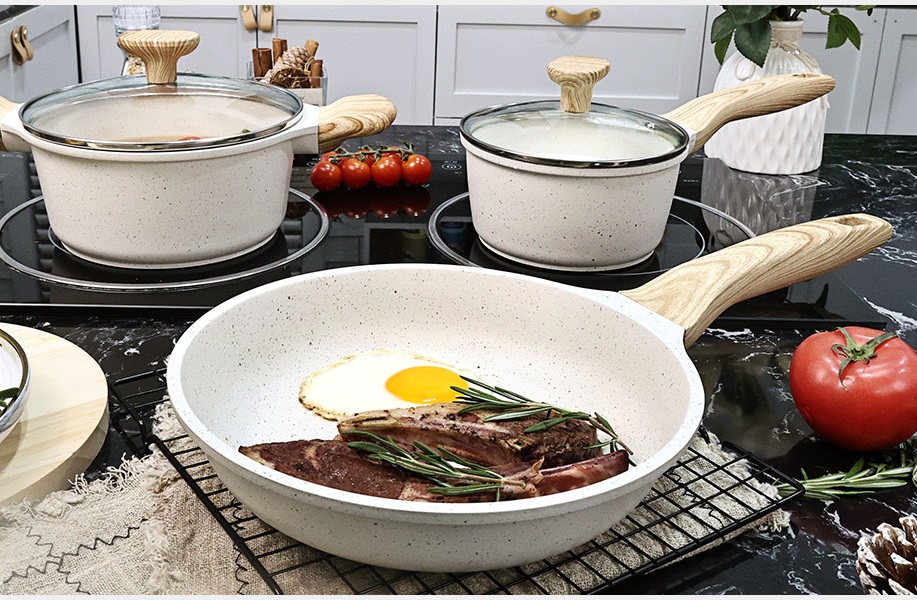
The SENSARTE Nonstick Ceramic Frying Pan offers a blend of affordability, high-quality materials, notable features such as a reliable nonstick surface and ergonomic design, and adherence to stringent safety standards, making it a solid choice for health-conscious and budget-savvy cooks.
Price: $39.99
Materials:
- Made from high-quality aluminum with a nonstick ceramic coating.
Notable Features:
- Excellent nonstick surface.
- Even heat distribution.
- Ergonomic, heat-resistant handle.
- Compatible with various stovetops, including induction.
Safety Standards:
- PFOA and PTFE-free.
- Safe for high-temperature cooking.
Country Kitchen Nonstick Cookware Sets
The Country Kitchen Nonstick Cookware Sets offer a balance of affordability, high-quality materials, notable nonstick performance, and robust safety standards, making them an attractive choice for diverse cooking needs and kitchen aesthetics.
Price: From $129 for 6 Pc set
Materials:
- Constructed from durable aluminum for efficient heat distribution.
- Coated with a nonstick layer for easy food release and cleaning.
- Handles made from silicone or Bakelite for a comfortable and heat-resistant grip.
Notable Features:
- Nonstick Coating: Provides excellent nonstick performance, reducing the need for oil and making cleanup easier.
- Even Heat Distribution: Aluminum construction ensures consistent cooking results by distributing heat evenly.
- Ergonomic Handles: Comfortable, heat-resistant handles for safe handling.
- Variety: The set includes a range of pots, pans, and utensils, catering to various cooking needs.
- Aesthetic Design: Available in stylish colors and modern design, enhancing kitchen aesthetics.
Safety Standards:
- Free from PFOA, PFOS, lead, and cadmium, ensuring a safe cooking environment.
- Designed to withstand high temperatures without releasing harmful fumes.
Also Read:Benefits-Of-Ceramic-Non-Toxic-Cookware
VonShef Premium 2 Tier Bamboo Steamer
Price: $21.99
Materials:
- Constructed from naturally woven bamboo, this steamer is designed to retain moisture, nutrients, color, and flavor in foods.
Notable Features:
- Authentic Asian Cooking: Ideal for preparing a variety of dishes, including vegetables, rice, fish, and dim sum.
- Multi-Use: Suitable for steaming various foods, promoting healthier cooking methods.
- Stackable Baskets: The 2-tier design allows multiple items to be steamed simultaneously, enhancing cooking efficiency.
- Accessories Included: Comes with 2 pairs of bamboo chopsticks and 50 wax steamer liners, providing added convenience for users.
Safety Standards:
- Specific safety certifications or standards are not mentioned in the available information. However, the use of natural bamboo suggests a focus on traditional and eco-friendly materials.