How To Choose The Safest Chemical Free Cookware Options
Selecting Safe and Non-Toxic Materials
The material of a pan decides what moves into your food when heat hits it. Some metals and coatings shed small amounts during cooking. Others stay stable and keep residue out of meals.
Safe choices split into two groups. Uncoated metals include stainless steel, cast iron and carbon steel. These rely on the metal itself. Coated options add a layer to stop food sticking, yet the coating needs checking for its makeup.
Daily use matters. Heat, acidic foods and metal tools speed up wear on any surface. Materials that stay unreactive under these conditions give cleaner results without extra residue.
Evaluating PFAS-Free and Magnetic Base Requirements
PFAS covers a group of fluorinated chemicals once common in non-stick coatings. At moderate heat they hold steady. Push past 260 °C, however, and they start to break down and send fumes into the air.
PFAS-free coatings use ceramic or silicone instead. These create slick surfaces through different chemistry. They withstand high heat without the same fume risk, though they still need care with metal tools to avoid scratches.
Induction cooktops need a magnetic base. The cooktop creates a field that heats only the pan bottom. This keeps the kitchen cooler and lowers the chance of oil reaching smoke point. A quick test works every time. Hold a magnet to the base. If it sticks firmly, the pan suits induction.
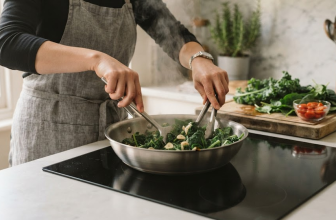
Stainless steel with a multi-ply magnetic base handles both induction and gas well. It spreads heat evenly once hot and takes metal tools without quick damage. Cast iron also works on induction and holds heat longer, which suits slow browning. It does need thorough drying after washing to stop rust.
Ceramic-coated pans marketed as PFAS-free clean up easily for the first year or two. The surface then loses its release power with harsh cleaning or repeated high heat. People who cook often at high temperatures usually get more consistent results from uncoated stainless steel or cast iron over five years.
Common mistakes include thinking every non-stick surface carries the same risk. Another is forgetting to check the base when buying for a new induction hob. Sharp rims on some cheap stainless pieces can trap food and make cleaning harder. Always read the maker’s details on coating type and base construction before you buy. One or two versatile pieces with confirmed magnetic bases and PFAS-free surfaces cover most daily tasks in a small kitchen.
Prioritizing Features for Low-Smoke Cooking
Smoke forms when oil or food hits temperatures past its smoke point in hot spots. Even-heating cookware tames those spikes and lets you stay on moderate settings. The difference shows up in quieter air, stabler oils, and fewer harsh flavours that linger.
Conductivity and heat capacity shape how a pan reacts to the burner. High-conductivity metals spread heat quickly. Thicker bases hold heat and even out sudden changes. Surface finish also changes how oil and food touch the metal. Shoppers often miss these details because marketing highlights looks or price over real performance on small apartment cooktops.
Heat Management for Clean Cooking Results
A single layer of aluminium or stainless steel creates hot spots right above the burner. Heat moves slowly outward from the centre. Multi-ply bases with an aluminium or copper core between stainless layers spread heat across the whole base. Core thickness usually sits between 3–5 mm in good pans, and that thickness controls how steady the surface stays.
Small electric or induction cooktops deliver concentrated heat. A pan with weak distribution pushes you to turn the dial higher to warm the edges, which overheats the middle and makes oil smoke. Cast iron keeps heat once it warms up but needs more time to reach even temperature. It suits slow searing better than quick sautéing. Carbon steel responds faster than cast iron while still holding heat well. Non-stick coatings on aluminium bases help at moderate temperatures, yet they lose performance if the base warps.
Match pan size to the burner to avoid wasting heat on the sides. Preheat the pan for two to three minutes on medium before adding oil. This lets the base settle to an even temperature. Dropping cold food into a thin, already hot pan causes quick drops in spots and tempts you to raise the heat again.
Common errors include using high heat for every job and picking oversized pans on small burners. Both habits increase smoke. Very thick bases hold heat longer, so they make it harder to drop temperature quickly when a recipe needs lower heat. Induction users should check that the base has enough ferrous material for the cooktop to work properly.
Choose based on the cooking methods you use most. Stainless steel with a thick aluminium core handles everyday meals that need even heat at moderate settings. Cast iron delivers steady retained heat for tasks that benefit from it, though it needs careful preheating. Knowing these differences helps you pick the best healthy cookware for clean results on typical household equipment.
Design Features for Apartment Storage Efficiency
Small apartments have tight cabinet and bench space. Storage design matters when you pick healthy cookware. Stainless steel, cast iron and ceramic last for years. They avoid the coating problems found in some non-stick pans. These materials weigh more though. They take up extra room unless the shapes stack or nest well.
Choose pieces with straight sides and flat or low-profile lids. Match the diameters across your set. This cuts wasted vertical space and stops damage in storage. You keep daily use simple without giving up material safety or kitchen order.
Storage-Friendly Shapes and Visual Harmony
Straight or gently tapered walls stack better than rounded or flared shapes. Straight-sided saucepans and frying pans from one set often nest together once you remove the lids. This lowers the total height needed in a cupboard. Square or rectangular pans can sit side-by-side more tightly than round ones. Round pans stay easier to stir and clean for most people.
Lids that sit flat or have low domes let multiple pans stack without rocking or scratching. When cookware sits on open shelves, looks matter. Matte stainless steel or neutral ceramic finishes blend with simple cabinetry. They reduce visual clutter. Polished or bright pieces reflect light and make a small space feel busy. Matching handles and lid knobs across a set keep the look consistent.
Everyday use shows that removable or folding handles free drawer space. They also let pans nest more closely. Cast-iron skillets with loop handles often stack more stably on their sides. Check the maker’s advice on stacking. Some ceramic coatings can chip if heavy items rest directly on them without cloths or dividers.
Very compact nesting sets can reduce cooking volume. You may still need one larger stockpot for batch cooking. Not every healthy material works in every shape. Heavy cast iron rarely offers nesting lids, while lighter stainless steel does. Check that bases are flat before you buy. This ensures even heating on the induction or ceramic hobs common in apartments.
Assessing Durability and Real-World Limitations
Cookware changes with every meal. Heat makes materials expand and contract. Utensils leave tiny scratches. Cleaning wears coatings thinner over time.
These shifts affect safety. Worn surfaces can shed particles or heat unevenly. The quality you buy is only the start. Daily habits decide how long it lasts.
Durability differs by material. Stainless steel handles corrosion well yet pits when salty or acidic foods sit too long. Cast iron needs regular seasoning to stay protected. Non-stick coatings rely on a thin layer that breaks down above normal cooking temperatures or after cuts from metal tools.
Balancing Daily Use with Long-Term Integrity
Apartment kitchens often push stovetops to high settings. Limited space means pans stack together. Both habits speed wear on non-stick surfaces. Scratches appear first in the centre where heat and scraping hit hardest.
Once the coating fails, food sticks. Cleaning then requires more effort. High heat breaks the coating faster than medium settings. Manufacturers warn against empty preheating or metal utensils for this reason.
Wooden or silicone tools help. Medium heat and hand washing extend life. Most non-stick pans still show wear after two to three years of daily use. Stainless steel or hard-anodised aluminium lasts longer but needs more oil to stop sticking.
Visible scratches are not just cosmetic. A damaged coating loses its low-oil advantage. Check surfaces regularly. Replace pieces when wear appears so you keep the safety benefits you chose them for.
Avoiding Common Mistakes in Selecting Healthy Cookware
Many buyers focus on material and brand claims when choosing cookware. They often overlook daily care and stove compatibility. These factors decide how long a pan stays safe and effective. In small kitchens with limited space, one pan must handle many tasks, so mistakes show up faster.
Overlooking Maintenance and Compatibility Checks
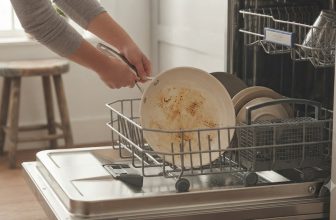
Maintenance and stove fit shape how quickly a healthy surface breaks down. Non-stick coatings, whether PTFE or ceramic, need an unbroken layer to stop food sticking and metals leaching. A dishwasher’s harsh cycle creates tiny fractures in the coating even when the label says it is safe. Over time these fractures cause uneven thinning and raise the chance of flakes in food.
Hand washing with mild detergent and a soft sponge keeps the surface intact longer. This adds a few minutes to each clean-up but extends the life of the pan.
Induction cooktops need a ferrous base that responds to a magnet. Gas and electric coil stoves accept more materials. A pan with an uneven base on induction creates hot spots and uneven expansion. The coating then cracks sooner under repeated stress.
These errors often appear in the first months of use. Someone buys a ceramic set marketed as healthy and stackable, then puts every piece in the dishwasher. Within months the surface shows dull streaks and fine pits. Another cook picks aluminium pans with a stainless disc base for induction use, yet the thin bond fails under daily heating and the disc starts to separate.
Read the care instructions, not the marketing icons. Check the exact cleaning method and confirm cooktop compatibility. Consider whether the pan stacks without scratching or fits upright in a small cupboard. These checks help the coating last for years instead of failing early.
Practical Next Steps for Buying Healthy Cookware
You have compared materials and weighed the health effects of different surfaces. Now the task is to turn that knowledge into a real purchase. Many people research thoroughly yet still choose pieces that clash with their kitchen space, daily habits or long-term care needs.
A short set of practical filters helps avoid those mistakes. These checks look at how the cookware handles real heat, how it fits your cupboards and how it matches the rest of your kitchen. Run through them in order to narrow your options without missing everyday constraints that only show up after delivery.
Checklist for Final Selection and Integration
Start with smoke performance. Stainless steel and cast iron handle high heat without trouble. Many non-stick coatings begin to break down above 260 °C and release fumes. Check the maker’s maximum temperature rating against the way you usually cook. If you sear meat often or use high gas burners, pick materials built for continuous high heat. For oven use, confirm that handles and lids stay stable at the temperatures you reach most.
Next, measure your storage space. Note whether pieces can stack without scratching or need to hang. Heavy cast-iron skillets demand strong supports. Thin stainless steel pans nestle more easily but can warp under weight. Think about how many items you actually reach for each day. A ten-piece set that overflows the cupboard often ends up on the bench or in hard-to-reach spots, so it gets used less.
Visual match comes after that. Appearance does not change safety, yet it affects how often you will use and clean the pieces. Matte black cast iron or brushed stainless steel hides marks better than polished surfaces. If your kitchen has open shelves, choose finishes that sit well with your appliances and benches so the cookware stays visible instead of being tucked away.
Test these filters against your most common tasks. Someone baking large trays of vegetables needs oven-safe handles and steady lids. A cook making one-pot meals on a small electric hob benefits from flat, responsive bases that spread heat evenly on lower settings. Heavier materials keep heat longer but require more strength to lift and firmer storage.
Finally, check the warranty and replacement parts. Good makers sell individual lids, handles or bases instead of forcing you to replace a whole set. This detail shapes long-term cost and waste. Once your shortlist passes these checks, compare the remaining options on price and availability.