
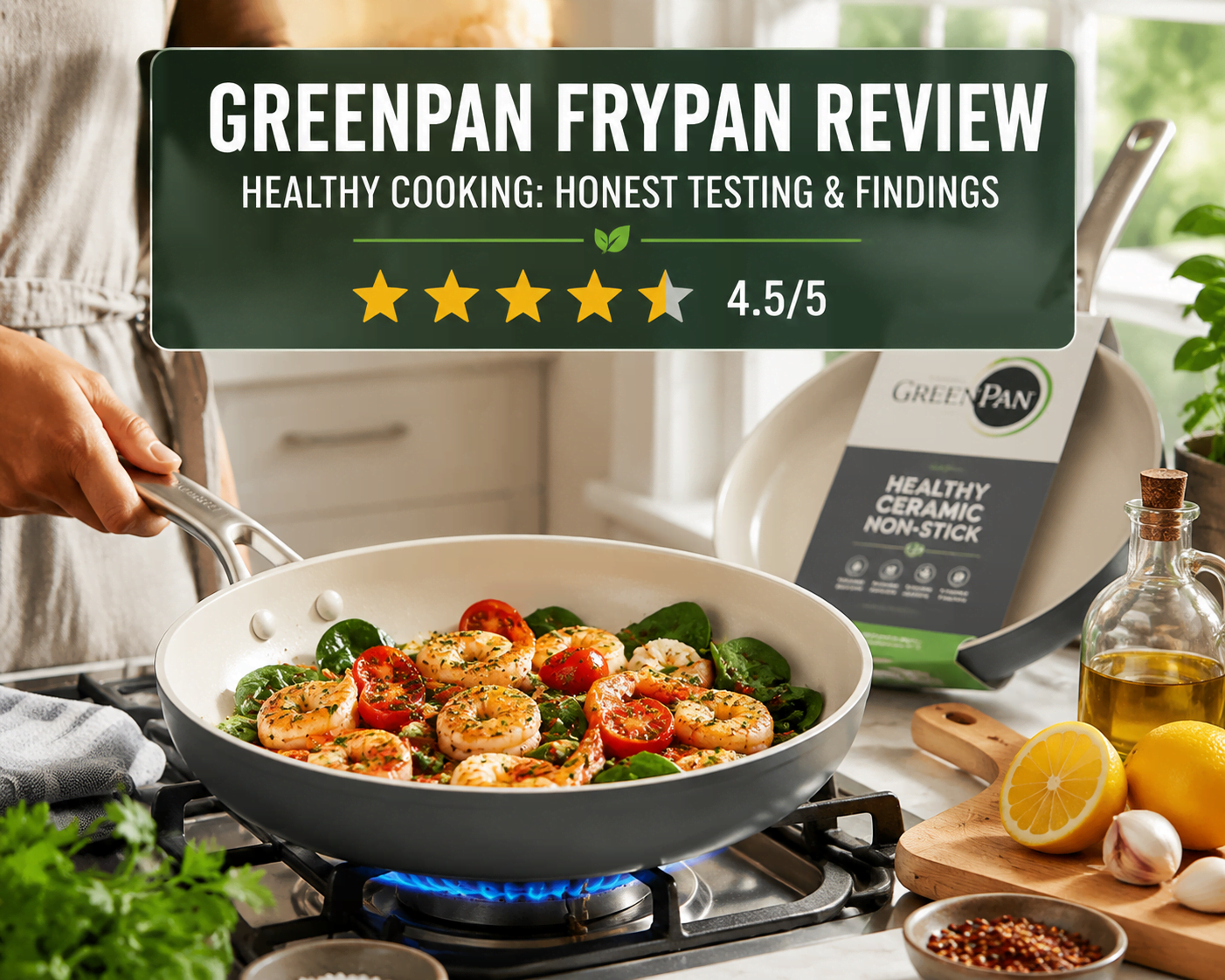
Common Pain Points With Standard Fry Pans
Most people searching for a greenpan frypan review are not chasing the latest gadget. They simply want relief from the same recurring problems with their current fry pans. Food sticks even when using oil. Smoke appears at medium heat and drifts straight into living areas. Cleanup turns into a chore that eats into already busy evenings.
These frustrations hit harder in minimalist open kitchen setups. No walls exist to contain the mess. One burnt edge on an omelette and the smell lingers for hours. Constant scraping and soaking also accelerates wear on non-stick surfaces, creating a cycle where pans need replacing every year or two.
Buyers gradually realise these issues run deeper than simple user errors. They stem from fundamental limitations in conventional coatings and materials that struggle to balance easy release, heat control, and longevity. Spotting this gap forms the first step toward deciding whether a different approach might actually solve the daily friction.
Why Users Explore Ceramic Coated Alternatives
Daily sticking and smoke push people to evaluate ceramic coated pans. After months of adjusting heat, adding extra oil, and dealing with lingering odours in open-plan homes, cooks start looking for a surface that behaves differently at normal cooking temperatures.
Ceramic coatings rely on a mineral-based approach instead of the synthetic route of traditional non-stick. The idea is to create a harder, smoother layer that reduces the chemical bonding between food proteins and the pan surface. Eggs or fish fillets release more cleanly as a result. Less smoke rises during medium-heat sautéing — practical advantages when preparing weekday family meals in compact kitchens.
Maintenance expectations shift as well. Ceramic pans generally respond better to lower-to-medium heat and gentle cleaning habits. This suits health-conscious households trying to reduce excess oil while avoiding the off-gassing concerns some associate with older PTFE coatings at high temperatures.
Buyers should enter with clear eyes about the trade-offs. Ceramic surfaces can lose their non-stick qualities faster than premium traditional coatings if subjected to frequent high heat, metal utensils, or abrasive scrubbing. They work best for cooks willing to adapt their technique slightly in exchange for easier day-to-day performance.
For those replacing tired aluminium pans in small or open living spaces, the ceramic category therefore represents a considered alternative rather than a miracle cure. The real question a greenpan frypan review should help answer is whether your specific cooking style and heat habits align with what these pans do well. A ceramic pan review often highlights the same practical balance.
Design Logic Behind Greenpan Frypans
Most cooks hit a wall with their current frypans. Food sticks. Hot spots appear. Worries about old non-stick coatings keep nagging. These frustrations explain why Greenpan frypans deserve a closer look in any greenpan frypan review.
Greenpan started from the real problems. How heat travels through metal. How surfaces meet food. How to skip PTFE coatings entirely. Instead of layering another non-stick finish on aluminium, they built a ceramic system that pairs with the base for quicker, steadier heat and easier food release.
This matters because lasting performance often rests on these early choices. A smart base and coating pair can cut down on oil, stop burnt residue, and handle both solo meals and family cooking without drama.
The real test is whether the design improves daily cooking or just looks good in theory. That answer shows up in how the materials perform on the stove.
How Material Choices Influence Heat Response
Greenpan frypans use an aluminium core. Aluminium spreads heat fast and evenly. The pan reacts quickly when you turn the burner up or down. You gain more control than with slower or overly retentive metals.
The Thermolon ceramic coating covers this base. Ceramic forms a hard, smooth layer from silica. It avoids the polymers in traditional non-stick. The goal is quick aluminium response plus a surface that releases food without older chemicals.
In practice, this means fewer hot spots on busy weeknights. Eggs slide off easily. Vegetables cook evenly instead of scorching in one spot. You use less oil. Cleanup becomes lighter because food rarely bonds hard to the surface.
Ceramic coatings still have limits. They lose non-stick power faster under very high heat than some PTFE options. The aluminium base can warp with sudden temperature shocks, like moving a hot pan straight into cold water.
Stainless steel lasts longer but needs more oil and technique to stop sticking. Cast iron holds heat well yet reacts slowly and feels heavy. Greenpan sits in between—fast, straightforward, and simple for regular use—as long as your habits match its strengths.
Health-focused households leaving traditional non-stick or replacing tired pans in compact kitchens often find these choices practical. The design targets everyday reliability rather than extreme durability. Knowing this helps set fair expectations and leads to better results after purchase.
Real World Usability In Everyday Scenarios
Small apartments often place the kitchen right next to the living area. One moment you are searing vegetables for a weeknight stir-fry. The next, the smoke alarm sounds and the whole space smells like burnt oil. This greenpan frypan review looks at how the pan performs when ventilation is limited and space is tight.
Many buyers notice that cookware works well in a store but causes problems at home. Traditional non-stick pans release visible smoke and strong odours once they reach certain temperatures. These issues interrupt cooking and leave smells that linger. GreenPan’s ceramic-coated frypan uses a mineral-based surface that stays more stable during normal cooking.
The difference shows up quickly in daily use. You can cook eggs, sauté onions or prepare a simple protein without constant checks for smoke or the need to open every window. The pan helps keep a steady rhythm in small kitchens where each action affects the rest of the home.
This matters for most apartment cooks. They are not chasing restaurant-style searing. They simply want cookware that handles the job without adding stress or extra cleaning at the end of the day.
Evaluating Smoke Control And Release Characteristics
The GreenPan frypan reduces smoke through its Thermolon ceramic coating. This sand-derived material was chosen to limit the fumes that appear with conventional non-stick surfaces. The coating stays stable at typical cooking temperatures, which cuts down on the breakdown that creates smoke and odours.
In real apartment cooking this brings practical gains. Less smoke means you avoid running the rangehood at full blast or pausing mid-recipe to clear the air. Food releases more easily, so less residue builds up and cleaning between dishes takes less time. You can move from frying garlic to cooking rice or vegetables without the pan slowing the process.
Performance stays consistent when you use medium heat and a modest amount of oil. This matches how most people cook in small kitchens. Repeated very high heat can gradually reduce the coating’s original properties, which affects both smoke control and non-stick behaviour over time.
Compared with PTFE-based pans, the GreenPan option lowers everyday smoke concerns for health-conscious households and anyone living with sensitive smoke alarms. It is not the best choice for cooks who need intense high-heat searing for steaks or stir-fries. Stainless steel or cast iron may suit those tasks better despite their other drawbacks.
For first-time ceramic pan review buyers or those replacing older pans in compact homes, the smoke management and easier cleanup offer real value. The key is matching the pan to your actual cooking style rather than expecting it to handle every scenario. Used as intended, it removes one of the more common frustrations of everyday cooking in modern apartments.
Greenpan Frypan Compared To Other Ceramic Pans
Most people shopping for a ceramic frypan have been burned before. They know the promise of easy release and healthy cooking often fades once the coating wears or hot spots ruin scrambled eggs and delicate fish. This greenpan frypan review compares the Greenpan directly with other ceramic pans on the points that shape daily use. Coating quality, base construction and real performance in Australian kitchens decide whether a pan lasts or disappoints.
Across durability, heat response and value, the Greenpan settles into a reliable middle tier rather than dominating any single column.
Scoring Across Durability Heat And Value Metrics
| Metric | Greenpan Frypan | Premium Ceramic Pans | Budget Ceramic Pans | Clear Winner for Most Buyers |
|---|---|---|---|---|
| Durability | Above-average ceramic coating with reinforced Thermolon technology | Similar advanced coatings but often paired with heavier premium builds | Basic ceramic layers that wear quickly | Greenpan |
| Heat Performance | Even heating through aluminium base, effective on gas, electric and induction | Good but sometimes slower to respond due to thicker construction | Prone to hot spots and uneven cooking | Greenpan |
| Value | Strong balance of performance and mid-range pricing | Higher cost justified mainly by aesthetics and brand | Low initial price but frequent replacement needed | Greenpan |
The Thermolon coating was built to fix the usual ceramic problem of surfaces breaking down under normal cooking. It skips PFAS chemicals and adds hardness that first-generation ceramic pans lacked. Families cooking most weeknights notice the non-stick surface lasts longer when they skip metal utensils and high heat.
Where heat is concerned, the advantage sharpens. An aluminium base carries heat evenly from edge to edge, so the scorched patches common in bargain ceramic pans simply do not appear. This consistency helps with stir-fries or pancakes, where uneven temperatures cause sticking or undercooked spots. Other ceramic pans reach this level only at higher prices or fall short with thinner bases.
Value emerges from a different direction: the price sidesteps the branding premiums attached to trend-driven ceramic lines. Budget options look cheap at first, yet need replacing every year or two. The Greenpan’s longer life makes better financial sense for most households.
Buyers still face the usual ceramic ceiling, Greenpan included. No coating lasts forever. Heavy daily use and occasional overheating typically deliver three to four years of good performance before release starts to fade. People who sear meat at very high heat often prefer stainless steel or cast iron instead.
Health-conscious households avoiding traditional non-stick chemicals, first-time ceramic buyers, or anyone replacing worn pans will find the Greenpan Frypan a sensible choice in the category. It covers the main performance needs without forcing extra spend on features most cooks never use.
Limitations And Long Term Considerations
GreenPan frypans earn praise for their ceramic coating and quick heat response. Still, real-world performance can shift after months of regular cooking. Some users expect the non-stick surface to stay slick forever, yet ceramic layers often lose that quality faster than traditional options when exposed to metal utensils or very high temperatures.
Expectations around durability matter here. A new ceramic pan review might highlight easy cleaning at first, but extended use can reveal gradual wear that affects how evenly food cooks. This gap between initial results and later performance leads many buyers to replace their pan sooner than planned.
Maintenance Factors Affecting Lifespan
How often you cook and how you store the pan directly shape how long it lasts. Daily use increases the chance of surface scratches, while stacking pans without protection can create small marks that grow over time.
Proper care helps protect your investment. Hand washing with mild soap and avoiding the dishwasher keeps the ceramic coating intact longer. Storing the frypan with a soft cloth between pieces or hanging it reduces contact damage. These simple habits often determine whether the pan delivers steady results for two years or needs replacement after one.
Determining Fit For Your Kitchen Setup
Choosing the right frypan comes down to how you cook and what your kitchen can handle. A greenpan frypan review needs to answer whether the ceramic coating and lighter build will ease daily cooking or add new headaches around care and heat limits.
Many people arrive here after watching non-stick surfaces flake, leaving heavy cast iron unused, or struggling with stainless steel that needs precise control. The GreenPan tackles some of these issues with its PFAS-free ceramic coating and lower weight. Yet the benefits only show up when your cooking habits and space match what the pan was built for.
Cookware affects daily routines, storage space, and long-term value. A pan that looks ideal on paper but clashes with your cooktop, cupboards, or preferred temperatures quickly becomes a source of frustration.
Ideal Users And Cases To Consider Alternatives
The GreenPan frypan suits kitchens that prize quick clean-up and moderate heat. It shines in compact urban spaces where every centimetre of storage counts. Its balanced weight lets it slide into tight cupboards without the bulk of cast iron.
Cooks who make weekday meals fast—eggs, fish, vegetables, or simple sauces—gain the most. The ceramic surface releases food cleanly with little oil. In a ceramic pan review, this ease of use stands out for health-focused households that want to avoid traditional non-stick chemicals, especially when cooking for children.
The clean design also blends with modern stainless or matte black kitchens. It avoids the rugged look of cast iron that can feel out of place in minimalist settings.
High-heat searing changes the picture. If you regularly brown meat hard or move the pan into ovens above typical ceramic limits, stainless or carbon steel will hold up better. These options sacrifice some easy release for stronger heat performance.
Storage needs also vary. While the lighter weight helps in small kitchens, the fixed handle can still jam narrow drawers. A pan with a shorter or removable handle may fit more neatly in those cases.
Dishwasher habits matter too. The ceramic coating cleans easily by hand, yet many owners report longer life when they skip the machine. Heavy dishwasher users might prefer stainless steel to cut ongoing maintenance.
In short, the GreenPan frypan review shows a tool built for everyday convenience and gentler cooking rather than extreme durability. Weigh these limits against your routine before you buy.
minutes.

Hey there, I’m Ray Winson—digital marketer by day, food enthusiast pretty much all the time. I love diving into everything kitchen-related, whether it’s testing out a new skillet, tinkering with family recipes, or discovering quirky cooking hacks. Cooking, for me, is equal parts adventure and therapy—and I’m here to share that journey with you.