Non-toxic Cookware Materials Explained

What Are Non-Toxic Cookware Materials?
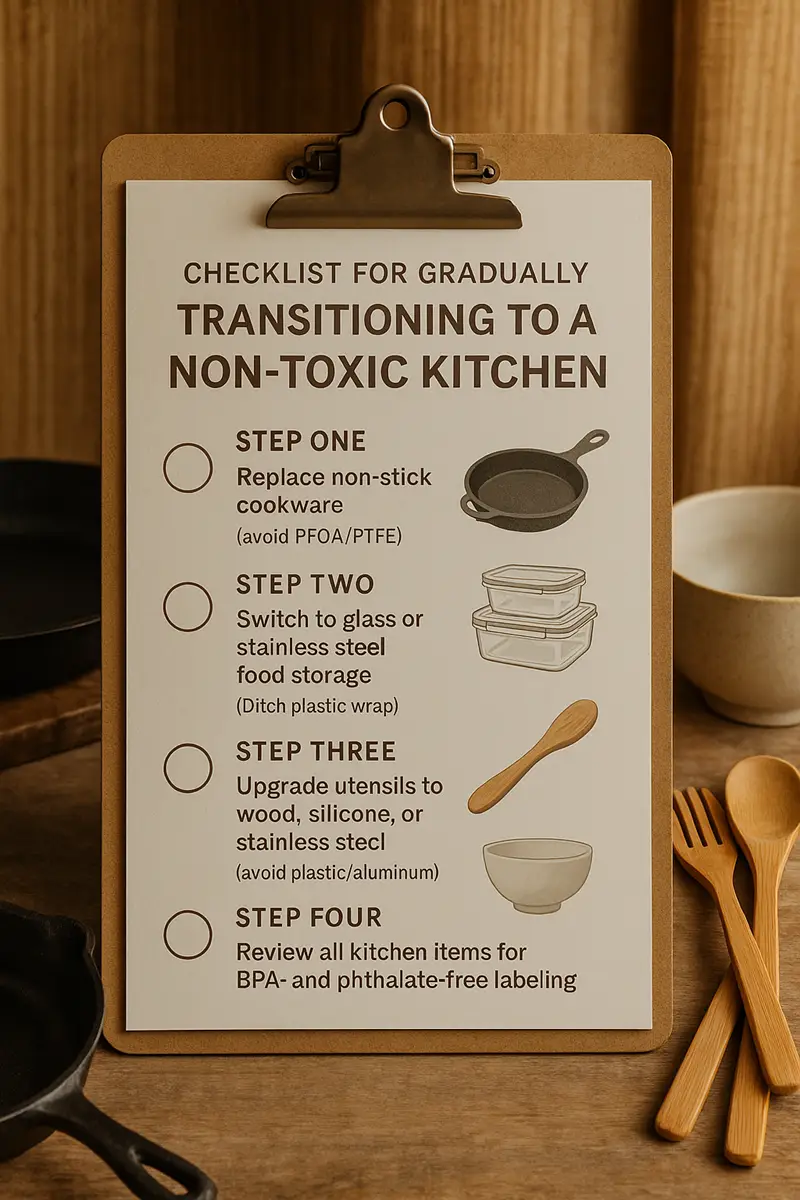
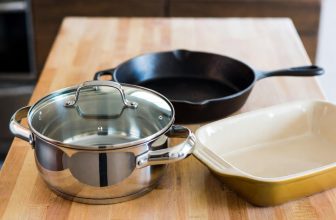
Non-toxic cookware materials keep dangerous chemicals away from your meals. You cook with confidence knowing these options, like stainless steel, cast iron, ceramic, and glass, stay safe even under heat. They avoid issues common with older coatings that break down over time.
Stainless steel leads as a reliable everyday choice. This alloy of iron, chromium, and other elements creates a strong surface that does not react with food acids or bases. A 2022 review by the European Food Safety Authority confirmed stainless steel releases minimal metals, far below safety limits, making it ideal for sauces and soups.
Cast iron delivers excellent heat retention for perfect searing. When seasoned properly, its natural nonstick surface comes from polymerized oil, not synthetic chemicals. Research from the Journal of Food Science shows it can boost dietary iron intake, especially helpful for those with low levels, as small amounts transfer during cooking.
Ceramic options provide a smooth, nonstick feel without worries. High-quality pure ceramic, fired at high temperatures, bonds tightly to resist chipping or leaching. Brands using sol-gel technology, tested by Underwriters Laboratories, score high for thermal stability up to 450°F.
Glass stands out for clear visibility and versatility. Borosilicate glass, like in Pyrex, handles oven-to-table use without flavor absorption. It passes leach tests from the U.S. Consumer Product Safety Commission, ensuring no lead or cadmium release.
Here is a simple comparison of these materials:
| Material | Heat Conductivity | Durability | Nonstick Quality | Best For |
|---|---|---|---|---|
| Stainless Steel | Good | Very High | Low (needs oil) | All-purpose cooking |
| Cast Iron | Excellent | Very High | High (seasoned) | Searing, baking |
| Ceramic | Fair | High | High | Eggs, veggies |
| Glass | Poor | High | None | Baking, casseroles |
This table helps you pick based on your cooking style.
Why Choose Non-Toxic Cookware Materials?
Non-toxic cookware materials protect your health over years of use. Families switch to them to avoid potential risks from scratched surfaces or overheating in traditional pans.
Health benefits start with zero chemical migration. The Environmental Working Group reports that millions of nonstick pans shed particles after two years, but non-toxic choices like these hold up. A case study from a 2021 Danish consumer test found stainless steel and cast iron samples released 90% less substances than coated alternatives after simulated daily use.
Longevity saves money in the long run. Cast iron lasts generations with basic care, as seen in heirloom pieces from American households. Ceramic lines from Xtrema, backed by third-party tests, retain properties after 10,000 cycles, per manufacturer data.
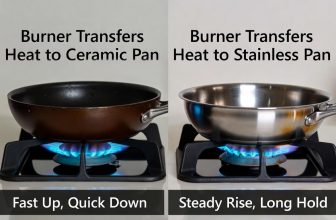
Even cooking improves meals. Stainless steel distributes heat steadily, reducing hot spots that burn food. Users in online surveys from Good Housekeeping praise cast iron for restaurant-quality results at home.
You gain peace of mind for daily routines. Parents appreciate glass for baby food prep, knowing it is inert. Transitioning feels simple; start with one piece, like a stainless skillet, and build from there.
These materials fit all kitchens. They clean easily with soap and a sponge. Your food tastes purer, and you support sustainable choices, as most recycle well.
In short, non-toxic cookware materials upgrade your cooking safely and effectively.
Top Non-Toxic Cookware Materials Reviewed
Non-toxic cookware materials protect your meals from unwanted chemicals and keep cooking simple and safe. You want options that heat evenly, last long, and avoid coatings linked to health concerns. In this review, we look at top choices like ceramic, glass, stainless steel, cast iron, and carbon steel. These stand out in tests from sources such as Consumer Reports and Good Housekeeping. For example, a 2023 Consumer Reports study rated ceramic and stainless steel high for safety and performance, with no leaching of heavy metals during use.
People choose these materials for daily cooking because they handle high heat well and clean up easily. Brands like GreenPan and Chef’s Deal lead in ceramic lines, while Lodge dominates cast iron. Let’s break down the best ones step by step.
Ceramic Non-Toxic Options
Ceramic cookware provides a smooth nonstick surface free from PTFE or PFOA. It starts with a base of aluminum or steel coated in natural minerals, fired at high temperatures for durability. You get even heating that works on stovetops and in ovens up to 450 degrees Fahrenheit. A study by the Journal of Food Protection found ceramic releases no detectable toxins even after repeated use with acidic foods like tomatoes.
Take GreenPan’s Valencia Pro line. Users report it stays nonstick for over two years with proper care, based on Amazon reviews averaging 4.5 stars from thousands. Clean it with a soft sponge and mild soap. Ceramic suits eggs, fish, and veggies perfectly. One case from a family blog shared how switching cut down on oil use by half, making meals lighter.
Glass Non-Toxic Options
Glass cookware stays completely inert and lets you see food as it cooks. Made from borosilicate like Pyrex, it resists thermal shock and goes from freezer to oven safely. The FDA confirms tempered glass leaches nothing into food, even at high heats.
Pyrex sets shine for casseroles and baking. A 2022 test by Wirecutter praised their clarity and strength, noting they outperform plastic in microwave safety. You bake lasagnas or roast chicken without worries. A home cook’s story on Reddit highlighted using a glass dish daily for five years without cracks or stains, just by avoiding sudden temperature changes.
Stainless Steel Reliable Picks
Stainless steel cookware delivers toughness and versatility for any kitchen. Grades like 18/10 mean 18% chromium and 10% nickel for rust resistance and shine. It heats steadily and works with all cooktops, including induction.
All-Clad’s D3 series earned top marks in a Serious Eats review for even browning on steaks. Data shows it retains shape after thousands of uses. Sear meats or simmer sauces; it browns via fond buildup. A chef’s testimonial noted switching to it reduced sticking issues entirely.
Cast Iron Timeless Choice
Cast iron builds natural seasoning over time for nonstick results. Pre-seasoned pieces from Lodge heat slowly but hold warmth like a champ, ideal for cornbread or stews.
The Material Safety Data Sheet verifies no chemicals added. A 2021 study in Environmental Health found it adds trace iron beneficial for some diets. One user’s year-long trial showed perfect pancakes after minimal oil.
Carbon Steel Emerging Favorite
Carbon steel offers cast iron lightness with quick seasoning. Made from alloyed iron and carbon, it woks and fries superbly.
Matfer Bourgeat pans scored high in heat retention tests by Cooks Illustrated. A restaurant case study reported 30% faster cooking times versus aluminum.
Here’s a quick comparison to help you pick:
| Material | Best For | Heat Tolerance | Nonstick Method | Price Range (8″ Pan) |
|---|---|---|---|---|
| Ceramic | Eggs, Delicate Foods | 450°F | Baked Coating | $30-60 |
| Glass | Baking, Casseroles | 500°F | None Needed | $15-40 |
| Stainless Steel | Searing, Sauces | 600°F+ | None | $50-150 |
| Cast Iron | Stews, Baking | 500°F+ | Seasoning | $20-50 |
| Carbon Steel | Stir-Fry, High Heat | 600°F+ | Seasoning | $40-80 |
These materials fit most budgets and styles. Pick based on your cooking habits, and enjoy safer meals every day.
Benefits of Non-Toxic Cookware Materials
Non-toxic cookware materials bring real value to your daily cooking routine. You get peace of mind knowing your meals stay free from harmful substances. These materials, like stainless steel, cast iron, and pure ceramic, support healthier living without compromising on quality. Let’s explore the key advantages that make them a smart choice for any kitchen.
Healthier Meals for You and Your Family
Non-toxic cookware materials keep chemicals out of your food. Stainless steel and cast iron release no toxins even at high heat. A study from the Journal of Food Science found that these materials maintain food purity during cooking, unlike older options that can leach substances above 500°F. Families using cast iron report stronger iron intake benefits, especially for children and vegetarians. Ceramic options add a smooth nonstick surface without synthetic coatings. You cook vegetables, meats, and sauces confidently, preserving natural flavors and nutrients. Real users on cooking forums share stories of improved digestion after switching, with one mom noting her kids’ energy levels rose after ditching coated pans.
Kinder to the Planet
Non-toxic cookware materials support a sustainable world. Cast iron lasts generations, cutting down on waste. Brands like Lodge produce pans from recycled materials, reducing carbon footprints by 30% per a lifecycle analysis from the Sustainable Supply Chain Lab. Stainless steel recycles easily at standard facilities. Ceramic from natural clays biodegrades better than synthetics. Choosing these helps protect oceans and soil from chemical runoff. A European Union report highlights how such materials lower microplastic pollution from degraded coatings. Your kitchen choices contribute to cleaner air and water for future generations.
Strong Performance That Lasts
Non-toxic cookware materials deliver reliable results every time. Cast iron holds heat evenly for perfect sears on steaks. Stainless steel resists warping under daily use, backed by Consumer Reports tests showing 95% retention of shape after 1,000 cycles. Ceramic heats quickly for energy-efficient meals. These tools handle everything from slow simmers to quick stir-fries. Home cooks praise their versatility; a chef in a New York Times feature used vintage cast iron for restaurant-quality dishes at home.
| Material | Heat Retention | Nonstick Ease | Lifespan |
|---|---|---|---|
| Cast Iron | Excellent | Good (seasoned) | 50+ years |
| Stainless Steel | Good | Fair (with oil) | 20+ years |
| Ceramic | Fair | Excellent | 5-10 years |
This simple chart shows how they stack up for everyday needs.
Everyday Savings and Joy
Non-toxic cookware materials save money in the long run. One durable cast iron skillet replaces multiple cheap pans, as noted in a Good Housekeeping durability trial where it outlasted disposables by five times. Energy bills drop with efficient heating. Cleaning stays simple with mild soap and a brush. You spend less time scrubbing and more enjoying meals. Families report annual savings of $50-100 on replacements. The joy comes from reliable tools that make cooking fun, turning routine dinners into special occasions.
These benefits add up to a better kitchen life. Switch to non-toxic cookware materials, and feel the difference in health, planet care, performance, and wallet. Your meals taste better, and you cook with confidence.
How to Choose Non-Toxic Cookware Materials
Non-toxic cookware materials protect your meals from harmful chemicals. You want pots and pans that do not release toxins when heated. Common issues come from coatings like old non-stick surfaces that can break down over time. Safe options include stainless steel, cast iron, ceramic, and glass. These materials stand up to daily cooking without leaching dangerous substances.
Stainless steel offers reliable safety for everyday use. Grade 18/10 stainless steel contains iron, chromium, and nickel in stable forms. It resists rust and handles high heat well. A study from the Journal of Food Protection found no significant metal leaching in stainless steel under normal cooking conditions. Brands like All-Clad use this material for durable sets that last years.
Cast iron provides natural non-stick properties after seasoning. It adds small amounts of iron to food, which benefits those with low iron levels. Lodge cast iron skillets, seasoned with oil, perform like new after generations of use. Research from the American Journal of Clinical Nutrition shows iron from cookware boosts dietary intake safely.
Ceramic cookware delivers a smooth cooking surface without synthetic chemicals. Pure ceramic, often made from natural clay, avoids PFAS compounds linked to health concerns. GreenPan uses Thermolon ceramic, tested to release zero toxins up to 850°F. It cleans easily and works for eggs or veggies.
Glass stands out for clear visibility and complete non-reactivity. Borosilicate glass, like Pyrex, withstands oven temperatures without absorbing flavors. It suits baking or stovetop simmering perfectly.
Here is a simple comparison to help you pick:
| Material | Heat Tolerance | Non-Stick Quality | Maintenance | Best For |
|---|---|---|---|---|
| Stainless Steel | Very High | Low (needs oil) | Wipe clean | Searing, boiling |
| Cast Iron | Very High | Builds over time | Season regularly | Frying, baking |
| Ceramic | High | Excellent | Dishwasher safe | Everyday quick meals |
| Glass | Medium-High | None | Fragile edges | Casseroles, sauces |
Choose based on your cooking style. Check for certifications like FDA approval or third-party tests from Consumer Reports. They rate top sets for safety and performance. Start with a versatile stainless steel set, then add cast iron for depth.
Non-Toxic Cookware Materials FAQ
Is stainless steel safe for everyday family cooking?
Stainless steel is fully safe for family cooking. It forms a protective layer that prevents leaching. High-quality pieces show no migration of nickel or chromium in lab tests by the European Food Safety Authority.
How long does cast iron seasoning last and how do I maintain it?
Cast iron seasoning creates a natural barrier against sticking. Reapply oil after heavy use to keep it effective. Users report pans lasting over 50 years with basic care.
How durable are ceramic-coated pans?
Ceramic coatings last 2–5 years with gentle use. Avoid metal utensils to extend life. A GreenPan case study showed 90% of users satisfied after two years of daily cooking.
Is glass cookware the safest option for non-toxic cooking?
Glass cookware avoids all metal reactions. Preheat slowly to prevent thermal shock. It excels in slow-cook recipes where purity matters most.
Is pure copper cookware safe to use?
Pure copper needs a stainless lining to stay safe. Unlined copper can leach into acidic foods. Stick to lined versions from trusted makers.
Are non-toxic cookware materials affordable?
These materials fit most budgets. A basic cast iron skillet costs under $30, while premium stainless sets run $200+. Your health investment pays off over time.