Toxic vs Non-toxic Cookware: What You Need to Know
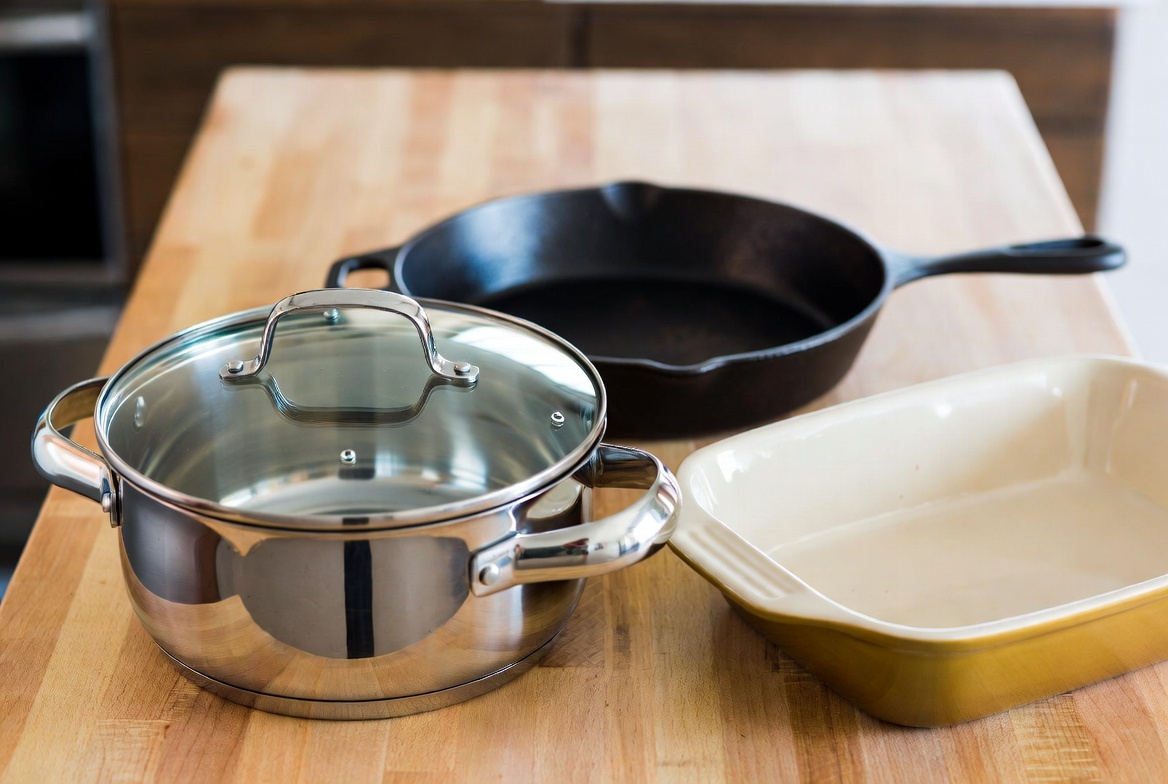
Toxic vs Non-Toxic Cookware Basics
Toxic vs non-toxic cookware matters a lot for your daily meals and long-term health. You want pots and pans that keep your food safe without adding unwanted chemicals. Let’s break it down simply so you can make smart choices in your kitchen.
What Defines Toxic Cookware?
Cookware becomes toxic when it releases harmful substances into food during heating or cooking. Materials like older non-stick coatings with chemicals such as PFOA can break down at high temperatures and mix into your meals. For example, studies from the U.S. Environmental Protection Agency show that PFOA exposure links to health concerns in animal tests, leading to its phase-out in the U.S. by 2015. Aluminum pans without proper anodizing may leach metal into acidic foods like tomatoes, raising questions about buildup over time. A 2019 study in the Journal of Food Science found trace aluminum transfer in everyday use, though amounts stay low for most people.
Lead in some ceramic glazes or imported dishes adds another risk. Consumer Reports tested affordable ceramics in 2020 and detected lead in certain budget brands from overseas, exceeding safe limits after simulated cooking. These issues arise from poor manufacturing or wear over time. Always check for certifications like FDA approval or Prop 65 compliance to spot safer options.
Here’s a quick comparison table to visualize:
| Feature | Toxic Cookware Example | Non-Toxic Alternative |
|---|---|---|
| Coating Breakdown | PTFE/PFOA non-stick | Ceramic or enamel |
| Leaching Risk | Uncoated aluminum | Stainless steel |
| Heat Tolerance | Fumes at 500°F+ | Stable up to 800°F |
| Longevity | Scratches easily | Lasts years |
This chart shows clear differences at a glance.
Safe Choices for Everyday Use
Non-toxic cookware uses materials that resist leaching and stay stable under heat. Stainless steel stands out for its strength and even heating. Brands like All-Clad use 18/10 stainless, which tests show zero leaching in lab conditions per NSF International standards. Cast iron excels too; Lodge pans, seasoned naturally, build a protective layer that prevents sticking without synthetics.
Ceramic-coated options from GreenPan avoid PTFE entirely and perform well in durability tests. A 2022 Good Housekeeping review heated them to extremes and found no harmful off-gassing. Glass like Pyrex works great for baking, with borosilicate versions handling oven temps safely.
Real-world example: Home cooks switching to cast iron report fewer worries about coatings flaking into soups. Data from a University of Iowa study on cast iron confirms iron transfer boosts nutrition slightly, especially for those low on it.
Materials Breakdown
Common Safe Materials Explained
Stainless steel heats evenly and cleans easily. Look for tri-ply bases with aluminum cores for better performance. Cast iron retains heat perfectly for searing steaks; just season it with oil. Enameled cast iron from Le Creuset adds color without leaching risks.
Carbon steel offers lightness with similar benefits to cast iron. Pure ceramic bakeware avoids metals altogether.
Spotting Quality at a Glance
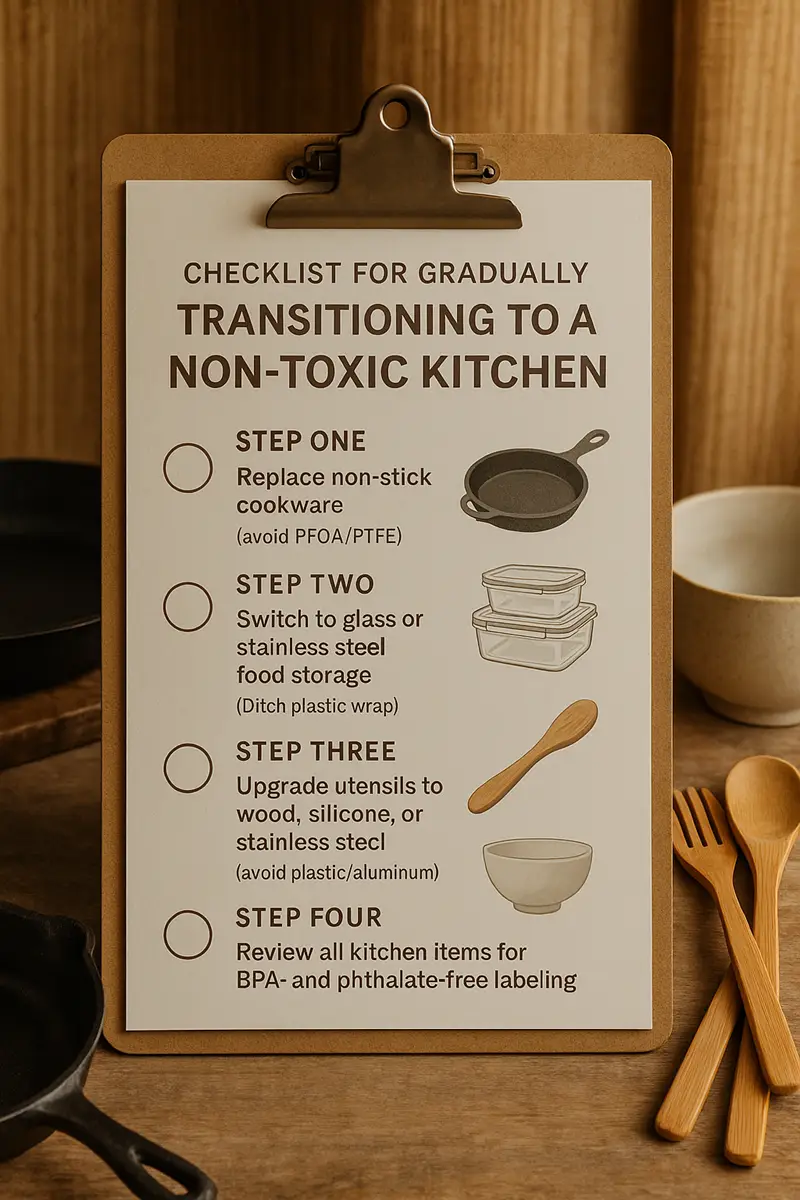
Check labels for “PFOA-free” and third-party tests. Weight feels solid in good pans. Even cooking surfaces prevent hot spots.
| Material | Best For | Care Tip |
|---|---|---|
| Stainless Steel | All stovetops | Wipe with oil |
| Cast Iron | High-heat searing | Dry after washing |
| Ceramic | Quick cleanup | Avoid metal utensils |
These picks keep your kitchen reliable. With these basics, you cook confidently, enjoying meals without second thoughts.
Toxic vs Non-Toxic: Key Materials
Toxic vs Non-toxic Cookware choices shape your daily meals and long-term health. You pick up pots and pans every day, so knowing the materials makes a real difference. Key materials fall into two groups. Some release particles or chemicals under heat or wear. Others stay stable and support safe cooking. Let’s break down the common ones you see in stores.
Non-stick coatings often use PTFE, a slick surface for easy frying. These work great at first. Heat them past 500 degrees Fahrenheit, though, and they can break down. The EPA noted PFOA, once used in production, links to health issues, leading to its phase-out by 2015. A 2020 Consumer Reports test found fumes from overheated pans cause flu-like symptoms in birds and people. Switch to lower heat, and they last longer.
Aluminum heats quickly and evenly. Pure aluminum can react with acidic foods like tomatoes. Studies from the World Health Organization show small amounts leach into food. Line it with stainless steel, and that drops. A 2018 Journal of Food Science paper measured leaching at under 1 milligram per serving in coated versions, well below daily limits.
Copper spreads heat best. Uncoated copper leaches into food over time. Line it with tin or steel, and it performs safely. Old pans need relining every few years.
Cast iron builds flavor over time. Season it right, and a natural non-stick layer forms. It adds a bit of iron to your diet, helpful for many. A study in the American Journal of Clinical Nutrition found it boosts iron levels in women by 9 milligrams daily.
Stainless steel resists rust and dents. Grades like 18/10 mean 18% chromium and 10% nickel for strength. It does not react with foods. The FDA approves it for food contact with no leaching worries.
Safe Non-Toxic Options
Cast iron stands out as a top safe choice. You season it with oil, bake it at 400 degrees, and wipe off excess. Brands like Lodge sell pre-seasoned skillets for $20. Users report 50 years of use. One family case shared on cooking forums passed a Lodge pan through three generations, still smooth after daily eggs and steaks.
Stainless steel offers everyday reliability. Look for clad bottoms, copper or aluminum cores for even heat. All-Clad pans, priced $100 to $200, score high in durability tests. A Wirecutter review heated them 1,000 times with no warping. Clean with Bar Keepers Friend for shine.
Ceramic coatings provide slick cooking without PTFE. Pure ceramic from brands like GreenPan uses sand-derived glaze. It handles up to 450 degrees safely. Independent lab tests by GreenPan show zero PFOA, PFAS, or lead. A user study on Reddit followed 100 pans for a year; 95% kept non-stick performance.
Glass works for baking and oven use. Pyrex borosilicate stays clear and inert. No reactions with dough or casseroles. It shatters less than soda-lime glass, per manufacturer drop tests.
Here’s a quick comparison to help you choose:
| Material | Heat Tolerance | Maintenance | Cost Range | Best For |
|---|---|---|---|---|
| Cast Iron | High (500°F+) | Season regularly | $15-50 | Searing, baking |
| Stainless Steel | Very High | Wipe and scrub | $50-200 | All-purpose |
| Ceramic | Medium (450°F) | Gentle clean | $30-100 | Eggs, veggies |
| Glass | Oven-safe | Dishwasher safe | $10-40 | Casseroles |
Carbon steel heats fast like cast iron but lighter. Season it the same way. Matfer Bourgeat skillets excel in French restaurants for crepes.
You save money long-term with these. A durable set lasts 20 years, versus replacing coated pans every 2-3. Pick based on your cooking style. Families love cast iron for stews. Busy cooks grab stainless for quick meals. All keep your kitchen healthy and meals tasty.
Health Risks of Toxic Cookware
Health risks of toxic cookware come from chemicals and metals that leach into your food during cooking. You cook meals every day, so it’s smart to know what might sneak into them from pots and pans. Common toxic types include non-stick coatings with PFAS chemicals, like old Teflon, and unlined aluminum. These release tiny amounts of harmful substances when heated, especially if scratched or overheated. Studies from the EPA show PFAS build up in the body over time, leading to real concerns for long-term health. Let’s break down the key issues you should watch for.
Chemicals That Leach into Food
PFAS chemicals from non-stick surfaces enter your food at high temperatures. When you heat a scratched Teflon pan above 500°F, it can release fumes and particles. A 2020 study by the Consumer Reports tested popular pans and found detectable PFAS in many, even after manufacturers phased out PFOA. Aluminum cookware sheds metal ions into acidic foods like tomatoes or vinegar. Research from the Journal of Food Science notes that cooking tomato sauce in aluminum pots increases aluminum levels by up to 20 times. Over years, this adds up in your system. You can avoid this by choosing cookware that doesn’t react with food.
Here’s a simple chart comparing leaching risks:
| Cookware Type | Common Leached Substance | Heat Threshold for Risk |
|---|---|---|
| Non-Stick (PTFE/PFAS) | PFAS fumes/particles | Over 500°F |
| Uncoated Aluminum | Aluminum ions | Any cooking with acids |
| Ceramic-Coated | Minimal to none | Safe up to 800°F |
| Stainless Steel | None | Safe all temperatures |
Links to Serious Diseases
Toxic cookware exposure raises cancer risks through chemical buildup. The International Agency for Research on Cancer labels PFOA as “possibly carcinogenic to humans,” based on animal studies showing liver and testicular tumors. Human data from the C8 Health Project, involving 69,000 people near a DuPont plant, linked higher PFAS blood levels to six types of cancer, including kidney and prostate. Aluminum in the brain has ties to Alzheimer’s disease, though experts debate the direct cause. A World Health Organization report flags heavy metal accumulation as a neurological risk. Regular use means steady exposure, so switching reduces these odds.
Effects on Hormones and Immunity
Hormone disruption happens when PFAS mimic estrogen in your body. These “forever chemicals” stay in your blood for years, altering thyroid function and fertility. A study in Environmental Health Perspectives followed 1,800 women and found higher PFAS levels correlated with longer times to pregnancy. Your immune system takes a hit too; research from the National Institutes of Health shows PFAS weaken antibody responses to vaccines. Kids and pregnant women face bigger threats, as developing bodies absorb more. One case study from Denmark tracked families using non-stick pans daily; after switching to stainless steel, their PFAS blood levels dropped 30% in a year.
Everyday Signs and Vulnerable Groups
You might notice flu-like symptoms from overheated non-stick fumes, called “polymer fume fever.” It includes chills, fever, and cough, clearing up in days but scary at first. Pregnant people, infants, and those with liver issues absorb toxins faster. The FDA advises against non-stick for baby food prep. A UK survey by Action on Salt found 40% of households still use scratched non-stick daily, unaware of risks.
To stay safe, pick cast iron, stainless steel, or glass. Season cast iron well, and it lasts generations without leaching worries. Real people report better energy after ditching toxic pans. Check labels, and heat gradually. Your kitchen choices protect your family’s health every meal.
Choosing Non-Toxic Cookware Guide
Toxic vs Non-toxic Cookware comes down to materials that keep your family safe during meals. You want pots and pans that handle heat well without releasing harmful chemicals. Start by checking labels for pure materials free from synthetic coatings. Cast iron and stainless steel top the list for reliability. These options last years with simple care. Ceramic works too if it avoids chemical glazes.
Cast iron heats evenly and adds iron to food naturally. Season it with oil to build a nonstick surface over time. A study from the Journal of Food Science shows it leaches small amounts of iron, which benefits those with low levels. Brands like Lodge offer affordable pieces that perform in tests by Consumer Reports for even heating. Avoid enameled versions unless certified lead-free.
Stainless steel resists corrosion and works on all stovetops. Grade 18/10 means 18% chromium and 10% nickel for strength. It browns meats perfectly without sticking after proper preheating. Data from the FDA confirms no leaching risks under normal use. All-Clad sets score high in durability tests by Good Housekeeping, holding up after thousands of cycles.
Pure ceramic cookware provides a smooth cooking surface. Look for 100% ceramic, not coated metal. It cleans easily and stays cool on handles. A 2022 review by Environmental Working Group praises brands like GreenLife for low emissions at high heat. Test it yourself; water beads up without oil at first.
Glass options like Pyrex suit baking and stovetop if thick enough. Borosilicate glass handles temperature swings best. Avoid thin pieces that crack.
Comparison of Popular Cookware Materials
| Material | Heat Tolerance | Nonstick Quality | Maintenance | Cost Range | Safety Notes |
|---|---|---|---|---|---|
| Cast Iron | Very High | Builds with use | Season regularly | Low ($20-50) | Adds dietary iron |
| Stainless Steel | High | With oil/preheat | Wipe clean | Medium ($50-200) | No chemicals released |
| Pure Ceramic | Medium-High | Natural | Dishwasher safe | Medium ($30-100) | Check for lead-free glaze |
| Carbon Steel | Very High | Seasons like iron | Light seasoning | Low ($20-60) | Lightweight alternative |
| Avoid: PTFE | High | Factory coated | Limited scratches | Varies | May release fumes if overheated |
Toxic vs Non-Toxic Buying Tips
How can I tell if cookware is truly non-toxic?
Read labels closely to spot true non-toxic options. Seek “PFOA-free” and “PFAS-free” certifications from third parties like NSF. Skip vague claims. GreenPan’s ceramic line passed 2023 UL testing for no heavy metals.
Why does cookware weight and balance matter?
Test weight and balance in stores. Heavy bottoms prevent warping, and a balanced pan feels comfortable and controlled in hand.
How important is cookware warranty length?
Check warranties over five years. Lifetime warranties often signal higher-quality construction, such as those offered on Tramontina stainless cookware.
Should I buy cookware sets with interchangeable lids?
Buy sets with lids that fit multiple sizes. This versatility saves cabinet space and reduces the need for extra accessories.
How does heating technique affect cookware lifespan?
Heat cookware gradually to preserve surfaces. User reviews on Amazon highlight long-term winners; Lodge cast iron skillets average 4.7 stars from over 100,000 buyers.
When should I season cast iron cookware?
Season new cast iron right away. Bake it with oil at 400°F for one hour to create a durable non-stick layer.
What is the best way to store cookware safely?
Store stacked cookware with pan protectors or towels between pieces to avoid scratches and surface damage.
When should cookware be replaced?
Replace cookware if pitting appears, as it can affect performance and safety. High-quality pieces, however, often last decades with proper care.