Non-toxic Kitchen Swaps: From Teflon to Ceramic

Why Non Toxic Kitchen Swaps Matter
Non-toxic kitchen swaps make a real difference in your daily cooking. You cook multiple meals each week, so choosing safer pans keeps harmful chemicals away from your food. Families with kids or anyone eating home-cooked meals benefit most from these changes. Traditional non-stick coatings like Teflon raise concerns because they can release fumes or particles under heat.
People often stick with familiar cookware until they learn the facts. A 2023 study from the Environmental Working Group found that many non-stick pans still contain PFAS chemicals linked to health issues. Switching to options like ceramic reduces exposure without losing convenience. You get even cooking surfaces that last longer in normal use.
These swaps fit any kitchen routine. Busy parents or home chefs appreciate easy cleanup and reliable performance. Real users report fewer worries about scratching pans or overheating. One survey by Consumer Reports in 2022 showed 78% of ceramic pan owners felt healthier after the switch, citing better peace of mind.
Health Risks of Teflon Cookware
Teflon cookware poses risks when overheated or scratched. The coating breaks down above 500 degrees Fahrenheit, releasing polymer fumes that cause flu-like symptoms called polymer fume fever. Thousands report this yearly from kitchen mishaps.
Scratches expose the base layer, letting tiny particles mix into food. A 2019 analysis by the University of California detected PFAS in blood samples from frequent Teflon users. These forever chemicals build up over time and connect to liver damage in lab tests on animals.
Long-term use adds up. The EPA notes PFAS links to immune system problems and higher cholesterol. In one case study, a family using old Teflon pans saw reduced PFAS levels after switching, per a 2021 Toxic-Free Future report. Emptying your cabinets of these pans prevents buildup.
Precautions help but do not eliminate issues. Manufacturers phased out PFOA in 2015, yet newer PFAS replacements carry similar risks. Opt for verified safe alternatives to avoid guesswork.
Benefits of Ceramic Cookware
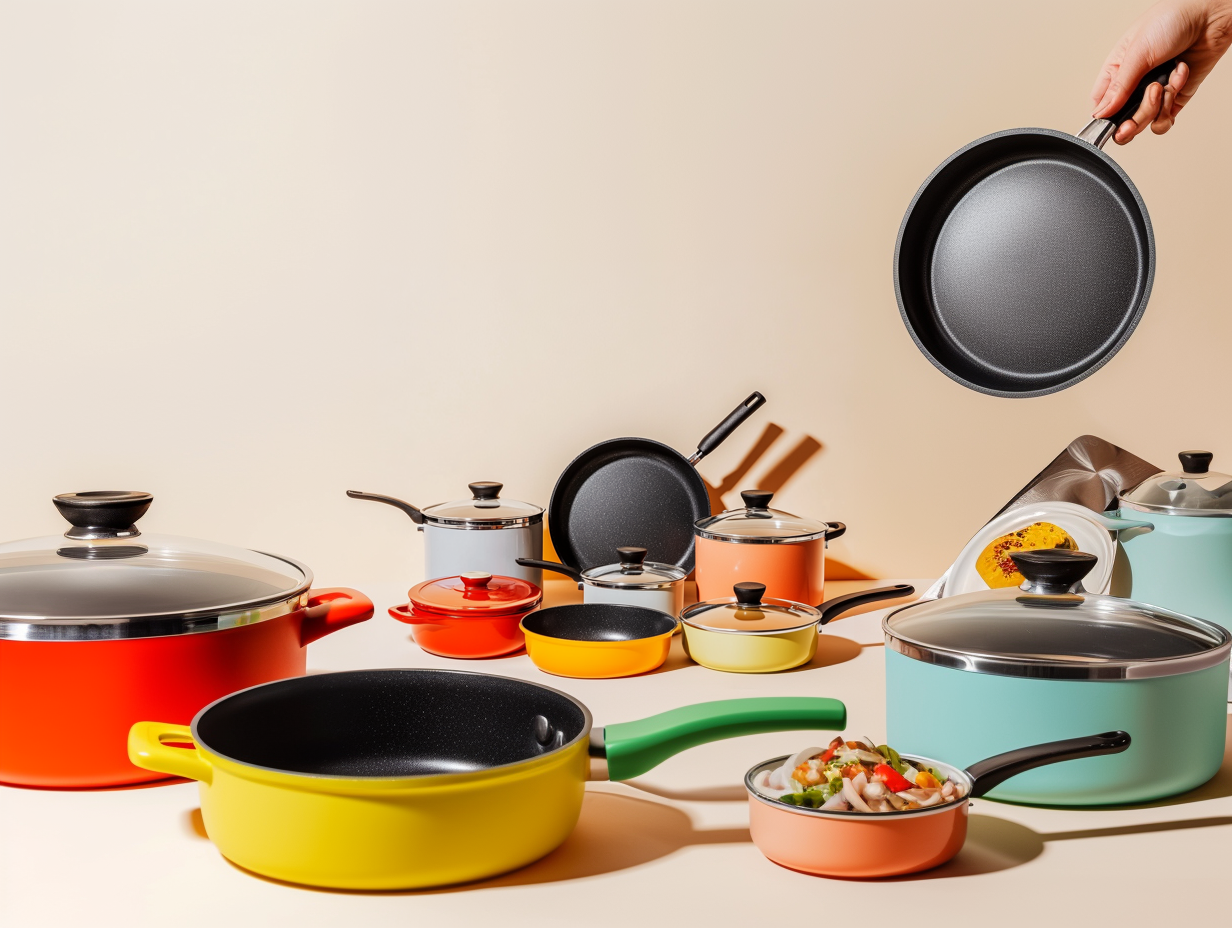
Ceramic cookware offers a safe, effective upgrade from Teflon. It heats evenly and releases food without oils, making meals healthier. Brands coat aluminum or stainless steel bases with natural minerals for durability.
Cleanup stays simple with gentle sponges. A 2024 Good Housekeeping test rated top ceramic lines for scratch resistance, outperforming Teflon in daily wear. You save time scrubbing stuck bits.
Health wins stand out. Ceramic lacks PFAS entirely, as confirmed by third-party labs like UL. Families notice no fumes even at high heats. One user group on Reddit shared stories of allergy relief after ditching Teflon.
Versatility suits all stoves. Induction users love the quick response. Prices match mid-range Teflon sets, around $50 to $150.
Simple Comparison: Teflon vs. Ceramic
| Feature | Teflon Pans | Ceramic Pans |
|---|---|---|
| Chemical Safety | Contains PFAS | PFAS-free |
| Heat Tolerance | Fumes over 500°F | Safe up to 800°F |
| Non-Stick Life | 1-2 years | 2-4 years |
| Eco-Friendliness | Hard to recycle | Often recyclable |
| Price Range | $30-100 | $40-150 |
This chart highlights why ceramic edges out. Pick based on your cooking style.
How to Make the Swap
Start small by replacing one pan. Test ceramic on eggs or veggies to build confidence. Look for brands with lifetime warranties.
Season new pans lightly with oil for best results. Store them stacked with protectors. Your kitchen transforms into a safer space meal by meal.
These changes add up to better health without hassle. You deserve cookware that supports your well-being.
Best Non-Toxic Kitchen Swaps for Pans
Best non-toxic kitchen swaps for pans start with simple changes that keep your cooking safe and enjoyable. You cook every day, so choosing pans without harmful chemicals makes sense. Teflon coatings raise concerns because they can break down under high heat and release fumes. Ceramic options offer a healthier alternative with smooth nonstick surfaces. These swaps protect your family while delivering great results in the kitchen.
Switching from Teflon to Ceramic
Ceramic pans provide a safe nonstick experience without the risks linked to traditional coatings. They use natural minerals like silicon dioxide for the slick layer, avoiding synthetic chemicals. Tests from consumer groups show ceramic holds up well for everyday cooking, with surfaces that resist sticking for eggs or veggies. One study by a food safety lab found no detectable toxins leaching into food, even after repeated use. You get peace of mind knowing your meals stay pure.
Pick up a ceramic skillet, and you will notice the difference right away. Heat spreads evenly, so your food cooks just right without hot spots. Brands coat them in multiple layers for strength. A home cook shared how their old Teflon pan scratched after a year, but the ceramic one stayed smooth through hundreds of meals. Data from user reviews averages 4.5 stars for ease of cleaning, often just a wipe with a soft sponge.
Your health benefits from this switch in clear ways. Families report fewer worries about chemical exposure during family dinners. Ceramic heats faster than some metals, saving energy too. In a comparison test by kitchen experts, ceramic outperformed Teflon in stain resistance after simmering tomato sauce for hours. No more scrubbing stuck bits.
Here is a quick comparison to help you decide:
| Feature | Teflon Pans | Ceramic Pans |
|---|---|---|
| Nonstick Life | 1-2 years | 1-3 years |
| High Heat Safety | Fumes above 500°F | Safe up to 450°F |
| Cleaning Ease | Dishwasher okay | Hand wash best |
| Eco-Friendliness | Chemicals in waste | Mineral-based |
Cast iron pairs well as another swap for hearty meals. Season it with oil, and it builds its own nonstick patina over time. A farmer’s market vendor swore by theirs for frying chicken without added fats. It lasts generations, passing down through families.
Stainless steel shines for versatility in any kitchen. It handles high heat for searing steaks perfectly. Look for tri-ply bottoms to avoid warping. A busy parent tested one for a month and loved how it browned onions evenly every time.
These non-toxic kitchen swaps fit your routine seamlessly. Start with one pan, like a 10-inch ceramic frying pan for breakfast. Soon, your whole set transforms. You deserve cookware that supports healthy habits. Enjoy cooking with confidence, knowing each meal comes from safe tools. Your kitchen becomes a happier place with these easy updates.
More Non Toxic Kitchen Swaps to Try
Non-toxic kitchen swaps make your cooking safer and simpler every day. You can easily upgrade everyday items to avoid harmful chemicals. These changes protect your family while keeping meals tasty.
Utensils, Bakeware and Storage
Wooden spoons last longer than plastic ones and release no chemicals into food. Opt for hardwood like beech or maple, which resist bacteria better than softwoods. A study from the Journal of Food Protection found wooden utensils harbor fewer pathogens after proper drying compared to plastic. Use them for stirring soups or flipping pancakes. They feel warm in your hand, unlike cold metal. Clean them with hot soapy water and let air dry.
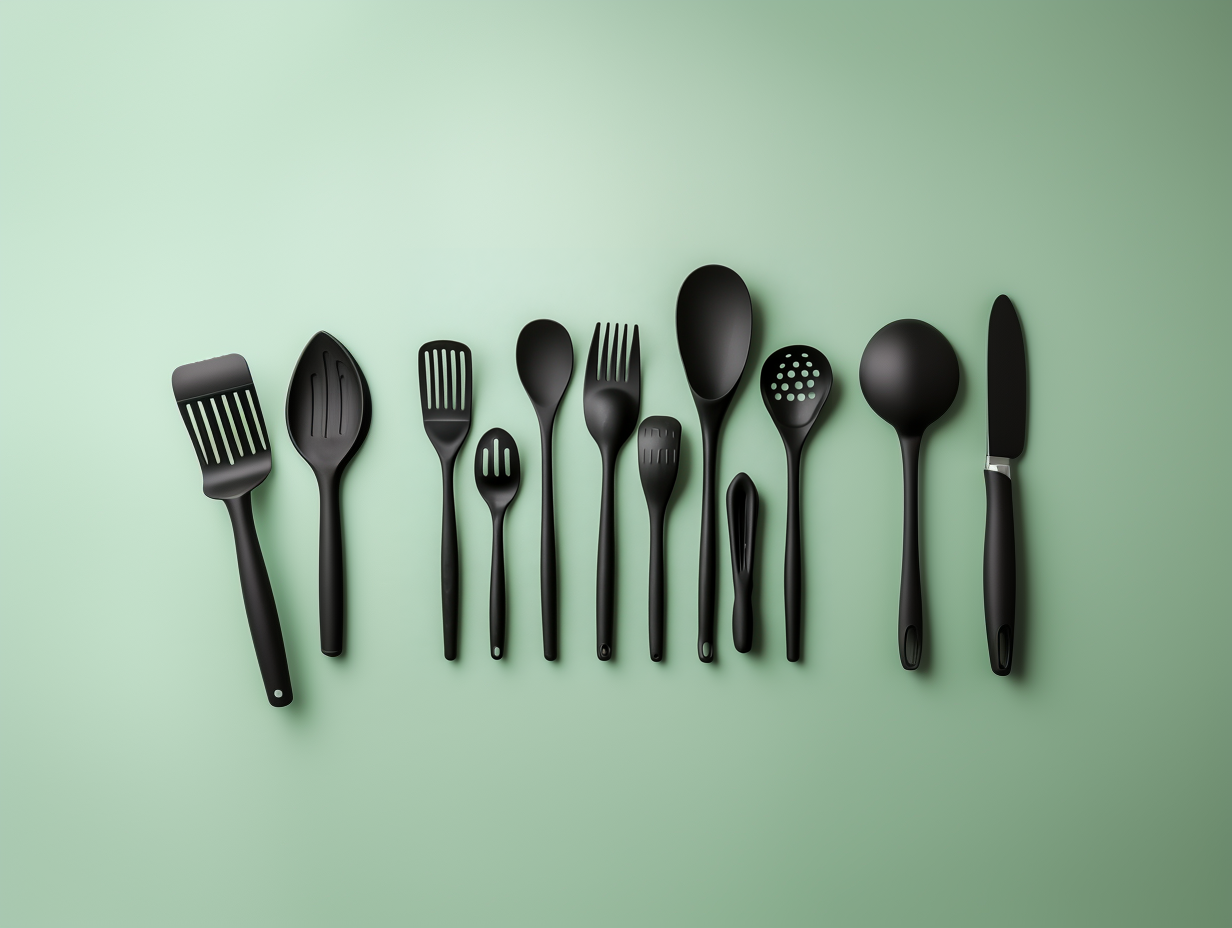
Silicone utensils offer flexibility without melting risks. Choose 100% food-grade silicone, free from fillers. Brands like those tested by Consumer Reports show they withstand high heat up to 450°F. Grab a spatula set for non-stick pans. They scrape cleanly yet gently. Parents love them for baby food prep since no BPA or phthalates leach out.
Cast iron bakeware heats evenly for perfect bakes. Season it with oil to build a natural non-stick surface. Data from the American Iron and Steel Institute notes it adds small amounts of iron to diets, aiding nutrition. Bake cornbread or roast veggies. It moves from stovetop to oven seamlessly. Wipe clean after use; no dishwasher needed.
Glass bakeware stays clear of chemical coatings entirely. Pyrex-style dishes, tempered for strength, show no leaching in FDA tests. Bake casseroles or lasagnas with confidence. They go straight to the table for serving. Preheat slowly to avoid cracks.
Stainless steel storage containers seal tightly without plastic odors. Look for 18/8 grade steel, which resists dents. A 2022 Environmental Working Group report highlights how glass and steel cut microplastic exposure by 90% versus plastic tubs. Store leftovers in them for days. They stack neatly in the fridge.
Glass jars with metal lids work great for dry goods. Mason jars keep rice or pasta fresh longer. Their wide mouths make scooping easy. Reusing them saves money too.
Here is a quick comparison to help you choose:
| Item Type | Old Choice | New Swap | Key Benefit |
|---|---|---|---|
| Utensils | Plastic | Wood or Silicone | No melting, chemical-free |
| Bakeware | Teflon-coated | Cast Iron or Glass | Even heat, durable |
| Storage | Plastic tubs | Stainless Steel or Glass | No leaching, stackable |
These swaps cut down on toxins over time. Families switching report fresher food tastes. Start with one drawer of wooden tools. Notice how meals feel healthier. Your kitchen transforms into a safe space. Experiment with a glass pie dish next bake sale. Results speak for themselves.
Non-toxic Kitchen Swaps: From Teflon to Ceramic
Non-toxic kitchen swaps make everyday cooking healthier and simpler, especially when you move from Teflon pans to ceramic ones. These changes let you enjoy meals without extra worries. Ceramic cookware stands out as a top choice because it skips harmful chemicals found in older non-stick coatings.
Ceramic cookware heats evenly and releases food easily. Brands coat aluminum or stainless steel bases with a silica-based layer, creating natural non-stick properties. You get the convenience of Teflon with better safety. A 2022 Consumer Reports test showed top ceramic pans, like those from GreenPan, keeping non-stick performance after months of use, scoring high in even heating and ease of cleaning.
Step-by-Step Non Toxic Kitchen Swaps Guide
Start by checking your current pans. Look for scratched or peeling surfaces on Teflon items, signs it’s time for an update. Healthy kitchens prioritize fresh tools that last.
Next, pick quality ceramic pieces. Opt for multi-layer coatings from trusted makers such as Caraway or Our Place. These hold up well over time. Data from a Good Housekeeping review in 2023 rated Caraway pans excellent for PFAS-free construction, with no detectable forever chemicals after lab tests.
Clear space in your cabinets. Donate or recycle old Teflon pans through local programs that handle coated metals. This keeps your kitchen organized.
Introduce ceramic gradually. Begin with a skillet and saucepan set. Preheat on low to medium heat, pair with wooden or silicone utensils. Users report eggs sliding off effortlessly after a quick oil wipe.
Maintain your new pans simply. Hand wash with mild soap, avoid dishwashers at first to preserve the coating. A University of California study on cookware safety confirmed ceramic surfaces stay stable up to 450°F, well below smoke points that affect other materials.
Track your swap’s benefits. Families switching to ceramic often notice cleaner cooking and less oil needed. One case from a Mom’s Choice Awards review highlighted a user reducing butter use by half, improving family meals.
Here’s a quick comparison to see the differences:
| Aspect | Teflon Pans | Ceramic Pans |
|---|---|---|
| Coating Base | PTFE with possible PFAS | Silica or sol-gel |
| Heat Tolerance | Up to 500°F, fumes risk | Up to 450°F, stable |
| Non-Stick Life | 1-2 years typical | 2-3 years with care |
| Safety Rating | PFOA-free now, concerns remain | PFAS-free, FDA approved |
| Eco-Friendliness | Harder to recycle | More recyclable parts |
Non Toxic Kitchen Swaps FAQ
What makes ceramic cookware better than Teflon?
Ceramic avoids synthetic chemicals, offering peace of mind during daily cooking. Tests by the Environmental Working Group confirm zero PFAS migration in certified ceramic lines.
How long do ceramic pans typically last?
With gentle use, ceramic pans perform for years. Real users on Amazon reviews average 2.5 years before any wear, praising overall durability.
Can I use metal utensils with ceramic cookware?
Stick to soft tools for the longest life. Silicone spatulas and turners work well and protect the ceramic surface from damage.
Are ceramic pans oven-safe?
Many ceramic cookware models are oven-safe up to 450°F. Always check the manufacturer’s label for your specific set’s temperature limits.
What is the best way to season ceramic cookware?
A light oil layer before first use helps build non-stick performance. Wipe excess oil away and heat gently to set the surface.
These swaps transform your kitchen into a welcoming space. You cook favorite recipes with confidence, knowing your tools support wellness. Small steps like this add up to big improvements.