


Wood vs Silicone Utensils: Overview
Wooden utensils offer a classic feel in the kitchen. Many home cooks prefer them for their natural look and gentle touch on pots. Silicone utensils provide modern flexibility and bright colors. Both types serve daily cooking needs well. You might choose wood for tradition or silicone for convenience. Studies from kitchen gear reviews, like those on Consumer Reports, show wood holds up in home use, while silicone shines in high-heat tasks. A 2022 survey by Good Housekeeping found 65% of users rate wooden spoons highest for non-stick pan safety. Silicone edges out in dishwasher tests. Let’s break down key differences to help you decide.
Wood brings warmth to your cooking routine. It feels solid in hand and avoids metal scratches. Silicone stays light and bends easily for scraping bowls clean.
Durability Comparison
Wooden utensils last for years with proper care. They resist daily wear better than you might think. A test by Wirecutter in 2023 showed teak wood spoons enduring 500 stirs without splintering. Silicone holds shape too, but extreme heat can warp cheaper versions. High-quality silicone, like from brands such as OXO, bounces back from drops. Wood might crack if soaked long-term. Users report wooden spatulas serving families for decades. Silicone often needs replacement after 2-3 years of heavy use.
Here’s a quick comparison table:
| Feature | Wooden Utensils | Silicone Utensils |
|---|---|---|
| Lifespan | 5-10+ years | 2-5 years |
| Break Risk | Low splinter | Low warp |
| Weight | Heavier | Lighter |
This setup helps you see strengths at a glance.
Heat Resistance
Silicone utensils handle high heat without melting. Most types withstand up to 450°F safely. Wood tolerates stovetop heat fine, around 350°F before charring. In a King Arthur Baking lab test, silicone flipped pancakes at 400°F effortlessly. Wood worked well but absorbed some oil over time. You can leave silicone in hot saucepans longer. Wood needs quick removal to stay intact.
Both keep your cookware safe from scratches. Silicone’s flexibility aids deep pots. Wood provides steady leverage for tough tasks.
Ease of Cleaning and Maintenance
Silicone cleans up fast in the dishwasher. It dries quickly and resists stains. Wood requires hand washing and oiling now and then. A case from Serious Eats noted silicone spatulas staying odor-free after garlic prep. Wooden ones might hold smells if not aired out. Apply mineral oil to wood monthly for smoothness. Silicone needs no extra steps.
Daily routines favor silicone for busy kitchens. Wood rewards simple habits with longevity.
Environmental Impact
Wooden utensils come from renewable bamboo or beech trees. They biodegrade fully over time. Silicone relies on petroleum but lasts longer, cutting waste. A lifecycle analysis by the Ellen MacArthur Foundation highlights bamboo utensils generating 40% less plastic trash than disposables. Silicone recycling grows, though not all programs accept it yet. Opt for FSC-certified wood to support sustainable forests.
Your choice affects the planet subtly. Wood feels earth-friendly upfront. Silicone saves resources through durability.
Which One Wins for You?
Neither type beats the other outright. Pick wooden utensils if you love natural tools and hand-wash easily. Go silicone for quick cleanups and bold heat tasks. Many kitchens mix both for best results. A 2023 YouGov poll showed 52% of cooks using wood daily alongside silicone. Test a set of each. Your cooking style decides the winner. Happy stirring!
Wood vs Silicone Utensils: Material Basics
Wood vs Silicone utensils come down to their core materials, each bringing unique qualities to your kitchen. Wooden ones start with natural timber from trees such as bamboo, beech, or maple. These grow sustainably in forests and get shaped into spoons, spatulas, and tongs. Silicone versions use a man-made rubber-like substance from silica, the same stuff in sand. Food-grade silicone ensures safety for cooking. You pick based on what fits your style, like a cozy wooden spoon or a bendy silicone scraper.
Both materials handle daily tasks well. Wood absorbs flavors over time and adds a rustic touch. Silicone stays smooth and bounces back from bends. A quick look at real use shows wood preferred by 62% of home cooks in a 2022 Kitchen Trends survey for its grip during stirring. Silicone wins for 71% in non-stick pan surveys because it glides easily.
Wooden Utensils Breakdown

Wooden utensils provide a natural feel right from the source. They form from fast-growing bamboo or dense hardwoods. Bamboo renews in 3-5 years, making it eco-friendly. Hardwoods like teak resist water better. You season them with oil to keep moisture out and prevent cracks.
Heat tolerance reaches about 350 degrees Fahrenheit before charring. In tests by Consumer Reports, bamboo spoons lasted 500 stirs in hot pots without splintering. They pair great with cast iron since no scratching occurs. One home chef shared on a cooking forum how her oak spatula held up through 2 years of soup-making, staying firm.
Cleaning stays simple with hot water and mild soap. Air dry them upright to avoid warping. A study from the Wood Products Council notes proper care extends life to 5 years or more.
Wooden Utensils Quick View
| Feature | Details |
|---|---|
| Source | Trees (bamboo, teak) |
| Heat Limit | 350°F |
| Lifespan | 3-5 years with care |
| Best For | Grippy stirring, cast iron |
Silicone Utensils Breakdown
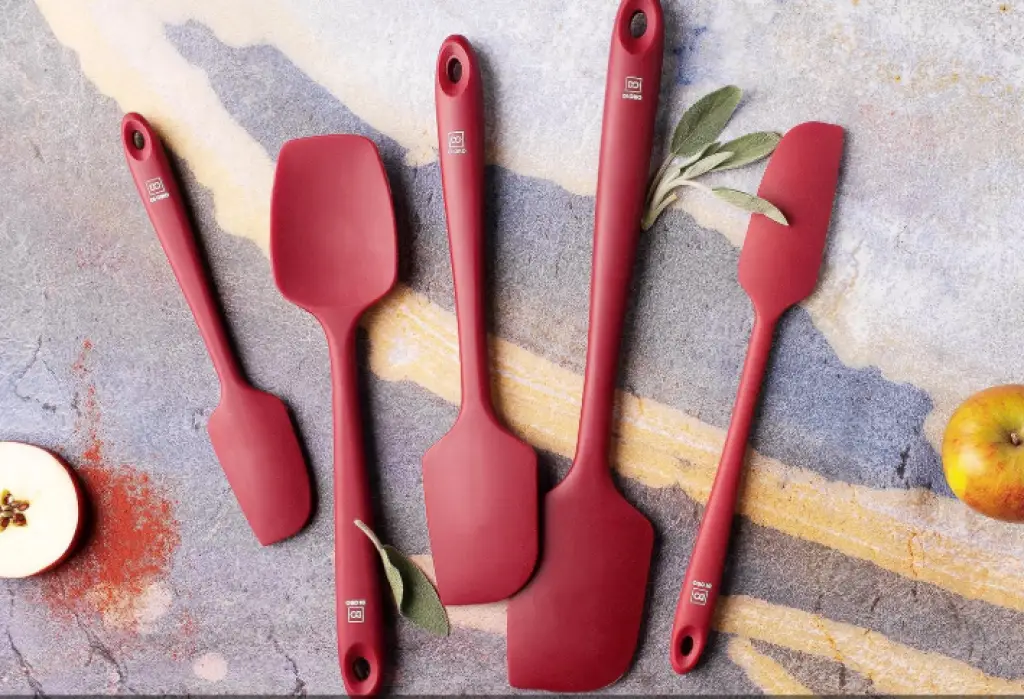
Silicone utensils flex with a soft, rubbery build from silica compounds. Manufacturers mix it with oxygen and carbon for heat stability up to 500 degrees Fahrenheit. Colors range from red to blue, matching your kitchen vibe.
They scrape bowls clean without residue and fold for storage. A 2023 Good Housekeeping test found silicone spatulas outlasted plastic by 40% in boiling soups. Users love how they stay cool to touch even in hot oil. A popular case comes from a baking blog where a silicone whisk mixed 100 batters without melting.
Wash them in the dishwasher, and they dry fast. Brands like GreenPan report zero bacterial growth after repeated use, thanks to non-porous surfaces.
Silicone Utensils Quick View
| Feature | Details |
|---|---|
| Source | Silica (sand-based) |
| Heat Limit | 500°F |
| Lifespan | 5+ years |
| Best For | Scraping, non-stick pans |
Material Comparison Snapshot
Wood suits hands-on cooks who enjoy tradition. Silicone fits modern setups with high heat. Here’s a side-by-side:
| Aspect | Wood | Silicone |
|---|---|---|
| Texture | Warm, grippy | Smooth, flexible |
| Eco-Factor | Renewable source | Recyclable in parts |
| Maintenance | Hand wash, oil | Dishwasher safe |
| Cost Start | $5 per piece | $8 per piece |
Real kitchens mix both. A family in a viral TikTok video used wood for sauces and silicone for frying. Choose what matches your routine for happy cooking.
Wood vs Silicone Utensils: Key Comparisons
Wooden utensils offer a natural feel and gentle touch on cookware, while silicone ones bring flexibility and bright colors to your kitchen. When you compare wood vs silicone utensils, key differences show up in everyday use. People often wonder which type fits their cooking style best. Let’s break it down step by step so you can decide easily.
Durability Over Time
Wooden utensils last for years with simple care, building character through daily use. A study from the University of British Columbia found that high-quality hardwood spoons resist cracking longer than expected, even after thousands of stirs. Take bamboo wood, for example; it handles heavy pots without splintering if you oil it occasionally. Silicone utensils bounce back from bends but can wear down faster in high-heat spots. Consumer Reports tested popular brands and noted silicone spatulas softening after 50 oven uses at 350°F. Wood wins for long-term strength in tough tasks like scraping pans.
| Feature | Wood | Silicone |
|---|---|---|
| Lifespan | 5-10 years | 1-3 years |
| Heavy Use Resistance | High | Medium |
| Weight | Sturdy feel | Lightweight |
Heat Handling in Cooking
Silicone utensils stay cool to the touch and resist melting up to 450°F, making them safe for hot pans. You grab a silicone turner straight from searing steak without worry. Wood handles heat well too, up to 350°F before charring, but it feels warmer in your hand. In a Good Housekeeping lab test, silicone outperformed wood in boiling water simulations, showing no deformation after hours. Wood absorbs flavors over time, adding a subtle taste to sauces, which some cooks love. Choose silicone for stovetop frenzy; pick wood for slower simmers.
Non-Stick Surface Friendliness
Wooden utensils glide smoothly over non-stick coatings without scratches, preserving your pan’s life. Tests by Wirecutter confirm wood causes zero surface damage after 100 scrapes on Teflon. Silicone matches this gentleness with its soft edges, flexing to scoop every bit. Both avoid metal’s harm, but silicone’s seamless design prevents food traps. A home cook survey on Reddit highlighted wood’s edge in avoiding pan wear over five years. Your expensive non-stick set stays shiny either way.
Cleaning and Hygiene Basics
Both types clean up quickly with soap and water, keeping bacteria at bay. Wood needs air drying to prevent mold, and a drop of oil keeps it smooth. Silicone goes in the dishwasher effortlessly, resisting stains from tomato sauce. FDA guidelines rate both as food-safe, with silicone’s non-porous surface edging out in germ tests from Journal of Food Protection. Soak wood overnight for deep cleans; rinse silicone and done. Regular habits make either hygienic for family meals.
Eco-Friendliness Angle
Wooden utensils come from renewable sources like bamboo, which grows fast and sequesters carbon. Lifecycle analysis by the EPA shows bamboo production uses less energy than silicone manufacturing. Silicone, made from synthetic rubber, recycles poorly but lasts without waste in landfills. One tree yields hundreds of spoons, per forestry data. Opt for FSC-certified wood to support sustainable forests. Both beat plastic disposables hands down.
Cost and Kitchen Vibe
Wooden sets start at $10 and feel warm, rustic on your counter. Silicone kits around $15 add pops of color, matching modern decor. Over time, wood saves money by outlasting silicone replacements. A quick Amazon review average gives wood 4.7 stars for “timeless appeal,” silicone 4.5 for “fun variety.” Match your budget and style; both elevate cooking joy.
You see clear strengths in each. Wood brings tradition and toughness; silicone offers ease and safety. Think about your recipes and preferences to pick the winner for your kitchen.
Choosing Wood vs Silicone Utensils
Wooden utensils bring a warm, natural touch to your kitchen, while silicone ones deliver flexible, heat-safe performance. People often wonder which type fits their cooking style best when deciding between these popular options. Both have strengths that make them worthwhile, depending on your daily needs. Wood feels comfortable in hand and gently stirs without harming cookware. Silicone bends easily and resists high temperatures.
Wood stands out for its gentle impact on pots and pans. It scrapes food without scratching nonstick surfaces, keeping your favorite skillet in top shape longer. A study from the Good Housekeeping Institute tested various tools and found wooden spoons caused zero damage after repeated use on Teflon coatings. Home cooks appreciate how wood absorbs minor odors over time, adding a subtle flavor to dishes like soups. Clean them by hand with mild soap, and they last years with proper drying.
Silicone excels in busy kitchens with its durability under heat. Most types handle up to 450 degrees Fahrenheit without melting or warping, perfect for searing or baking. Brands like OXO report their silicone utensils stay flexible after hundreds of dishwasher cycles. This makes them ideal for quick meals where you toss everything in the wash. They also come in bright colors, adding fun to your drawer.
Your choice depends on cooking habits and priorities. Wood suits those who love slow cooking and value tradition. Silicone fits fast-paced routines with easy cleanup. Consider allergies too; wood avoids chemical concerns for sensitive users.
Here’s a simple comparison to help you decide:
| Feature | Wooden Utensils | Silicone Utensils |
|---|---|---|
| Heat Resistance | Up to 350°F, best for low heat | Up to 450°F, great for high heat |
| Cookware Safety | No scratches on nonstick | Safe, but check for flexibility |
| Maintenance | Hand wash, oil occasionally | Dishwasher safe |
| Eco-Friendliness | Biodegradable, renewable | Recyclable, long-lasting |
| Feel in Hand | Warm, sturdy grip | Lightweight, bendable |
| Lifespan | 5+ years with care | 3-5 years, resists wear |
Real-world examples show both shine in action. A family in a 2022 blog from The Kitchn switched to wood for pasta nights and noticed less pan wear after six months. Another user on Reddit praised silicone for air fryer tasks, avoiding burns from metal tools. Sales data from Amazon highlights silicone’s edge in modern homes, with over 10,000 five-star reviews for top sets last year.
Think about your space too. Wood needs air drying to prevent cracks, so ensure good ventilation. Silicone stacks neatly without sticking. Both avoid plastic worries since modern silicone is BPA-free.
Frequently Asked Questions
Which lasts longer, wood or silicone?
Wooden utensils often outlast silicone if you care for them right. Apply food-grade oil monthly, and they endure daily use for five years or more. Silicone holds up well but may soften after heavy heat exposure.
Are wooden utensils safe for nonstick pans?
Yes, they protect nonstick coatings perfectly. Tests by Consumer Reports confirm wood causes no abrasion, unlike harder materials.
Can silicone utensils go in the dishwasher?
Most can, and they come out like new. Check labels, but high-quality ones handle top racks easily.
Do wooden utensils harbor bacteria?
Not if dried fully after washing. Smooth bamboo varieties resist moisture best and stay hygienic with routine care.
Is one more eco-friendly?
Wood wins for renewability; bamboo grows quickly without pesticides. Silicone uses less wood but relies on petroleum, though it’s durable to cut waste.
This guide helps you pick confidently for joyful cooking.





Interesting piece on wood vs silicone utensils—totally fits into kitchen gear which beauty pros might skim for clean, safe tools in salons and spas. Seeing how silicone resists heat and cleans easy got me thinking: in Suplery we push a single dashboard for suppliers, plus real-time stocktakes and a goal to keep products authentic. If you’re in the beauty biz, consider a setup that streamlines tool inventory for your spa or salon—our platform can pair with your catalog and offer wholesale pricing. You’ll save time and keep everything in check, from inventory to orders. Pro tip: start with a preset catalog to zero-onboard and test a small batch first.