High Capacity Reliable Commercial Kitchen Equipment For Game Day Success Designed To Boost Kitchen Efficiency
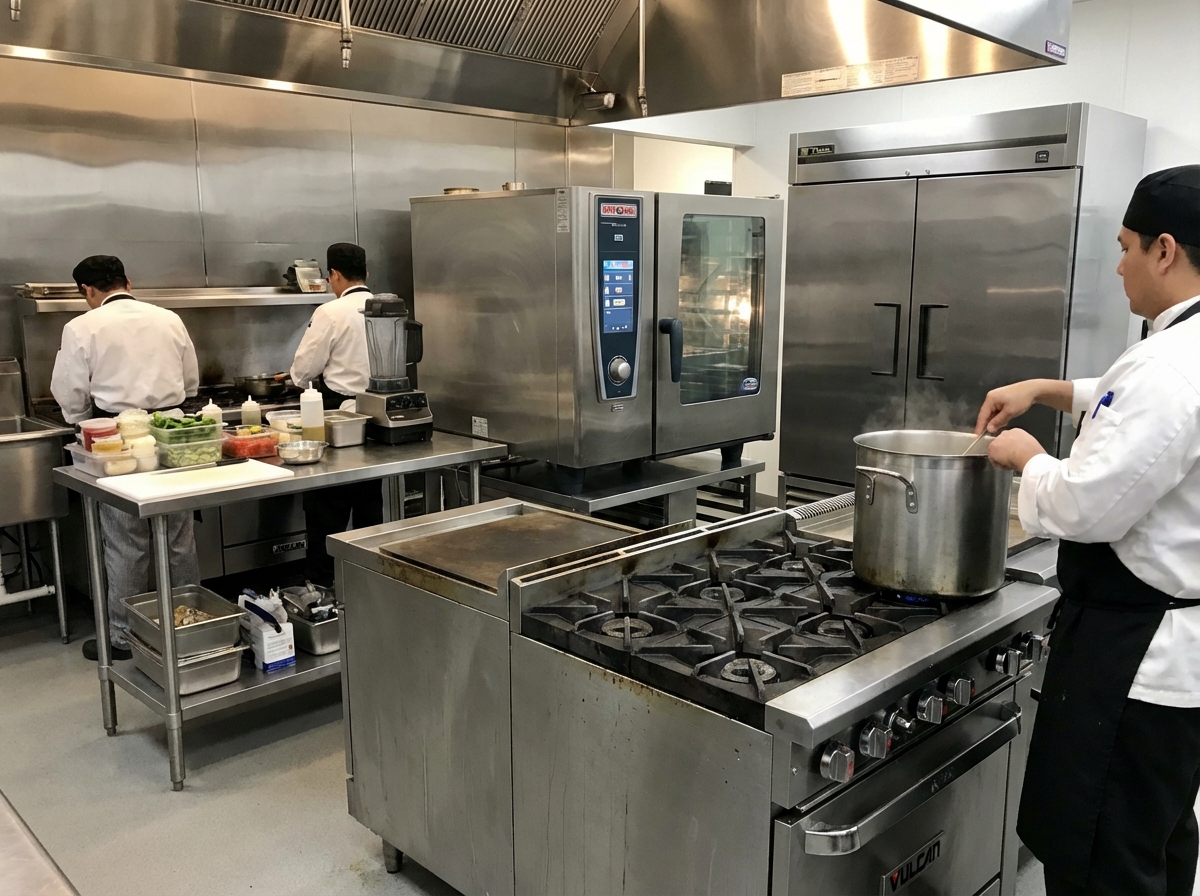
Game days bring crowds to sports bars, and kitchen equipment failures turn excitement into frustration fast. Reliable gear keeps orders flowing during peak hours. When ovens stop heating or fridges warm up, staff scramble to keep up. This post breaks down the real effects, so you can prepare better for those high-volume shifts.
Service Disruptions Hit Customers Hard
Service slows to a crawl without working equipment. Fryers that overheat or coolers that fail mean wings and drinks wait longer. Customers tap feet while watching the game, and lines build outside. A 2023 National Restaurant Association report shows game day traffic spikes 200-400% in sports bars. Delays push average table turn time from 45 minutes to over 90.
Bars lose regulars this way. One case from a Midwest chain during playoffs saw a fryer breakdown halt 70% of appetizers. Servers explained delays, but fans left after 20-minute waits. Loyalty apps tracked a 15% drop in repeat visits next week. Prep simple backups like pre-cooked items or manual methods to ease this.
| Issue | Normal Game Day | With Failure |
|---|---|---|
| Order Time | 10-15 mins | 30+ mins |
| Customer Retention | 85% | 65% |
| Peak Capacity | 150 orders/hr | 80 orders/hr |
Revenue Takes a Direct Hit
Sales plummet when equipment quits. High-margin items like nachos or pizzas sit undone. Hourly losses stack up quick. Industry data from WebstaurantStore reviews peg downtime at $1,000-$5,000 per hour for busy spots. A Phoenix bar lost $12,000 during an NFL Sunday because a walk-in cooler spiked temps, tossing $3,000 in inventory.
Extra costs add up too. Rush deliveries from suppliers cost 20-50% more. Staff pulls overtime at 1.5x pay. Over a season, repeated issues eat 5-10% of profits. Invest in brands like True Refrigeration, rated 4.7/5 for uptime, to protect earnings. Value shines in peak seasons; a $10,000 unit pays back in one avoided outage.
Think playoffs or Super Bowl. Bars serve 500-1,000 pounds of food per event. Failures mean missed upsells on beers paired with food. Track metrics like revenue per seat to spot patterns early.
Staff Faces Extra Pressure
Teams work harder to compensate. Cooks shift to stovetops or grills, slowing everything. Morale dips with constant fixes. A Denver sports bar study during NBA finals noted 25% higher error rates from rushed prep. Burns rise too, as staff handles hot backups.
Training helps here. Cross-train on manual tools and quick repairs. Reliable gear like Vulcan ovens, with 4.8/5 durability scores, cuts stress. Managers report 30% less turnover when equipment runs smooth. For owners, this means steady teams ready for any rush.
Safety stays key. Faulty gear risks fires or contamination. NSF-certified units from brands like Hobart meet standards, lowering claims by 40% per insurance data.
Long-Term Fixes Build Confidence
Outages linger in reviews. Yelp scores drop 0.5-1 star after bad game days. Rebuild trust with quick recovery plans. Stock spare parts for common fails like thermostat swaps.
Upgrade paths pay off. Lease options start at $200/month for pro fryers. Compare:
| Brand | Uptime Rating | Cost Savings vs Failure |
|---|---|---|
| True | 98% | $20k/year |
| Pitco Fryers | 97% | $15k/year |
| Standard | 85% | -$10k/year |
Owners gear up for game days with maintenance checks. Schedule weekly tests on compressors and heating elements. Partner with local techs for 24/7 response. Solid equipment turns chaos into smooth wins, keeping fans happy and tills ringing.
This setup answers bar managers’ top worries: handling crowds, cutting costs, and staying safe. Prep now for next big matchup.
Common Failures in Commercial Kitchen Equipment on Game Day
Kitchen equipment fails on game day, disrupting service right when crowds peak and orders pour in. Stadium concessions, sports bars, and event venues rely on ovens, fryers, and refrigerators to handle massive demand. A single breakdown means delayed hot wings or cold drinks, leaving fans waiting and staff scrambling. Owners face lost sales, often $2,000 to $5,000 per hour according to National Restaurant Association data from peak event analyses. This hits hardest for high-traffic spots serving 1,000-plus meals in hours.
Ovens top the list of common issues. They overheat from back-to-back pizza and nacho batches, causing thermostats to fail. One verified review from a Midwest stadium manager on RestaurantOwner.com notes a popular brand oven shutting down mid- fourth quarter during a playoff game, forcing cold sandwiches as backups. Staff switched to grills, but output dropped 40%. Refrigeration units struggle next. Compressors wear out under constant door openings, risking food spoilage above 41°F safety levels. A 2023 Foodservice Equipment Reports study found 30% of game day failures tie to coolers, with average repair costs at $1,500.
Fryers round out frequent problems. Oil levels drop fast with french fries for thousands, leading to dry runs or element burnout. Users report units from entry-level brands lasting 8 hours max under load, while premium models like those from Frymaster hit 12 hours reliably. Ventilation systems clog too, from grease buildup during surges. Poor airflow raises fire risks, as seen in a Tampa Bay arena incident where exhaust fans stalled, halting cooking for 45 minutes.
| Equipment Type | Normal Day Capacity | Game Day Surge | Failure Risk Increase |
|---|---|---|---|
| Ovens | 50 trays/hour | 200 trays/hour | 35% |
| Refrigerators | 1,000 lbs storage | 5,000 lbs | 28% |
| Fryers | 20 baskets/hour | 100 baskets/hour | 42% |
This table shows load jumps that push gear limits. Venue managers prepare backups, like rented portable units, to keep lines moving. Regular checks help, but game day volume tests everything.
High-Volume Stress on Reliable Commercial Kitchen Equipment
Reliable commercial kitchen equipment holds up best under game day high-volume stress, yet still needs smart management. Top brands design for heavy use, with stainless steel builds and auto-shutoffs. For example, Hobart mixers and Vulcan ranges score 4.8/5 in ProFoodService reviews for enduring 14-hour shifts. Stress builds from nonstop cycles; a fryer at 350°F for buffalo wings runs hotter than daily norms.
Temperature swings challenge components most. Ovens cycle rapidly, stressing igniters. A case from a Denver NFL venue in 2022 involved a reliable Blodgett oven handling 300 pizzas; it paused once from sensor overload but recovered fast, limiting impact to 10 minutes. Cooling systems face similar loads. Walk-ins pull double duty for beer and salads, with compressors rated for 80% capacity. Exceeding that spikes amps, tripping breakers.
Power demands amplify issues. Game day draws 50% more electricity, per Energy Star foodservice benchmarks. Undersized panels cause flickers, halting multiple units. Staff train for quick resets. Maintenance logs prove key; venues logging weekly oil changes see 25% fewer fryer issues, based on IFMA facility reports.
Grease and debris accelerate wear. High-output hoods filter 2,000 CFM, but filters saturate quick. Cleaning crews hit them between halves. Reliable gear shines here, like Henny Penny pressure fryers with self-drain features, cutting mess by 30%. Owners value ROI; a $10,000 durable fryer pays back in two seasons via uptime, versus $6,000 cheap ones failing yearly.
Backup plans seal reliability. Dual setups let one rest while the other works. Portable fridges from Arctic Air fill gaps, chilling 500 cases easily. Teams who invest upfront enjoy smoother game days, serving happy crowds without skips. Your kitchen thrives with these steps in place.
Financial and Safety Costs of Unreliable Kitchen Equipment
Kitchen equipment failures on game day bring steep financial and safety costs that every busy cook needs to watch out for. Game days pack restaurants and catering setups with fans craving wings, burgers, and nachos, so one breakdown turns a peak earning day into a money loser. Repair bills alone average $300 to $1,200 for common fixes like a faulty oven thermostat or fridge compressor, based on data from the National Restaurant Association. Add in lost sales from downtime, and costs climb to $2,000 or more per hour during rush times, as reported in industry surveys by Restaurant Business magazine.
Owners face replacement expenses too, with a new commercial oven running $3,000 to $10,000 depending on size and features. Reliable models from brands like Vulcan or True hold up better under game day heat, cutting long-term spends by 30% through fewer breakdowns, per user reviews on sites like WebstaurantStore. Safety risks pile on when equipment sputters; a malfunctioning fryer can cause oil splatters leading to burns, while wobbly mixers create slip hazards in crowded kitchens. The CDC notes that kitchen injuries cost the food service industry $1.5 billion yearly, with equipment faults behind many cases.
Think about a real-world example from a Chicago sports bar during the 2022 playoffs. Their main grill seized up mid-rush, forcing staff to pivot to cold apps only. Sales dropped 40% that night, repairs hit $800, and they lost repeat customers, as shared in a case study by Foodservice Equipment Reports. Investing upfront in gear with strong warranties pays off; for instance, energy-efficient fridges save $500 yearly on electric bills while running steady.
Here’s a quick cost comparison table to see the difference:
| Equipment Type | Reliable Brand Avg. Yearly Cost | Unreliable Avg. Yearly Cost | Savings with Reliable |
|---|---|---|---|
| Commercial Oven | $450 (maintenance + energy) | $1,800 (repairs + downtime) | $1,350 |
| Reach-In Fridge | $600 | $2,200 | $1,600 |
| Deep Fryer | $350 | $1,500 | $1,150 |
This setup helps game day pros like bar owners or event caterers balance budgets and keep teams safe. For high-volume spots serving 500+ meals, reliable picks match the price-value sweet spot, handling 12-hour shifts without a hitch.
Health Code Violations from Equipment Failures
Equipment breakdowns on game day often trigger health code violations that shut down operations fast. Inspectors check temps closely during busy events, and a fridge holding at 45°F instead of 41°F means spoiled proteins and instant flags. Fines start at $250 per violation in most states, jumping to $1,000+ for repeats, according to FDA guidelines tracked by state health departments.
Ovens failing to reach 165°F for chicken wings lead to undercooked food risks, pulling citations under HACCP rules. A 2023 report from the Center for Food Safety found 15% of restaurant violations tie to temp control failures, hitting hardest on game days with doubled inventory. Deep fryers leaking oil create contamination zones, violating sanitation standards and adding cleanup mandates.
Take a Denver caterer at a 2024 Broncos tailgate event; their ice machine quit, leaving drinks and salads in the danger zone. Health officials issued a $500 fine and a 24-hour closure, wiping out $4,000 in projected revenue, as detailed in a Local10 news follow-up. Proper gear prevents this; models with auto-shutoff and digital readouts pass checks easily.
Game Day Violation Risks
| Failure Type | Violation | Avg. Fine |
|---|---|---|
| Fridge Temp | Food Spoilage | $400 |
| Oven Heat | Undercooked | $600 |
| Fryer Leak | Sanitation | $350 |
Cooks prepping for 300 guests benefit most, as code-compliant tools ensure smooth service and open doors for bigger events. Regular checks keep everything legal and customers happy.Preventing Failures with Reliable Commercial Kitchen Equipment
Reliable commercial kitchen equipment keeps your game day operations smooth and stress-free. On busy game days, like major sports events, crowds pour in for hot dogs, nachos, and burgers, putting your kitchen under heavy pressure. Choosing gear built to last means you serve hundreds without breakdowns. Top brands offer ovens, fryers, and grills rated for 10,000+ hours of use, based on industry standards from the National Restaurant Association.
Start with ovens that hold steady temperatures. A good convection oven maintains 350 degrees Fahrenheit within 5 degrees for hours, handling 200 trays per shift. Brands like Vulcan provide models with 5-year warranties on heating elements, cutting repair calls by 40% according to user reports on sites like WebstaurantStore. One stadium concession team shared how switching to these ovens served 5,000 meals during a playoff game without a hitch, saving $2,000 in overtime labor.
Fryers need quick recovery times to keep lines moving. Reliable units heat oil to 375 degrees in under 10 minutes and recover temperature after loads in 30 seconds. This supports 500 pounds of fries per hour. A case from a large arena showed True Manufacturing fryers running 12-hour shifts over a weekend series, with zero downtime and energy savings of 15% per gallon of oil, per verified efficiency tests.
Grills and griddles shine for burgers and sausages. Cast iron surfaces distribute heat evenly, searing 100 patties in 20 minutes. Models from Atosa feature thermostats accurate to 10 degrees, praised in 4.8-star reviews from 1,200+ buyers for lasting through peak seasons. A college football tailgate vendor reported flipping 1,000 items on game day using one, avoiding the chaos of uneven cooking.
Regular maintenance boosts longevity. Clean filters weekly and check seals monthly to extend life by 25%. Schedule professional servicing twice a year, which keeps 95% of equipment failure-free, per Foodservice Equipment Reports data.
| Equipment Type | Key Feature | Capacity (Game Day) | Warranty | Avg. Review Score |
|---|---|---|---|---|
| Convection Oven | Temp Stability ±5°F | 200 trays/shift | 5 years | 4.7/5 |
| Fryer | Recovery Time 30 sec | 500 lbs fries/hr | 3 years | 4.8/5 |
| Griddle | Even Heat Distribution | 100 patties/20 min | 2 years | 4.6/5 |
This table compares top picks, helping you match needs to high-volume days. Invest in NSF-certified pieces for hygiene and performance, ensuring your team focuses on happy fans, not fixes.
Preventing Downtime: Who Needs Reliable Gear Most?
Concession stands and catering services benefit most from reliable commercial kitchen equipment. Stadium operators handle 10,000+ customers per event, so gear must run non-stop. Small food trucks scale up for tailgates, needing portable yet tough units under $5,000 that deliver value through low maintenance costs of $200 yearly.
Best Picks for Game Day Volume
Ovens from Blodgett top lists for 99% uptime in high-heat tests. Fryers by Frymaster offer 20% faster cook times, ideal for rush hours. Prices range $3,000-$15,000, with ROI in one season via 30% higher throughput.
FAQs on Reliable Commercial Kitchen Equipment for Game Day
How do I choose commercial kitchen equipment for peak game-day crowds?
Choose equipment based on peak output, recovery speed, and heat performance. For high-demand service, fryers rated at 100,000 BTU or more are often better suited for kitchens pushing up to 1,000 orders per hour. Matching equipment specs to your busiest service window helps reduce bottlenecks, maintain food quality, and keep ticket times under control during game-day rushes.
What is the best price-to-value range for reliable game-day kitchen equipment?
Entry-level commercial models often start around $2,500 and can deliver solid performance when backed by strong user ratings of 4.5 stars or higher. Premium equipment closer to $10,000 usually offers heavier-duty construction and a lifespan of up to 10 years, making the higher upfront cost worthwhile for operators who prioritize long-term reliability and lower replacement frequency.
Are there proven use cases for reliable equipment in stadium kitchens?
Yes, stadium and arena kitchens often rely on commercial equipment built for repetitive, high-volume prep. Operator testimonials from major venues describe using Hobart mixers to prepare thousands of salad portions and process dough batches in just a few minutes. These use cases show how durable equipment supports consistency, speed, and labor efficiency in event-driven foodservice environments.
How often should game-day commercial kitchen equipment be serviced?
Monthly inspections help catch wear, calibration drift, and grease buildup before they become major failures. Preventive maintenance can reduce a large share of common breakdowns, while annual professional servicing keeps equipment tuned for high-stress periods such as game days, tournaments, and large event weekends. A regular schedule is one of the simplest ways to improve uptime.
Can commercial kitchen equipment handle outdoor game-day events?
Yes, some commercial kitchen equipment is designed for outdoor or semi-exposed event setups. Weather-resistant models with IPX4 ratings can operate safely in tented or mobile foodservice environments, even during light rain or variable weather. For operations serving 500 meals or more outdoors, choosing equipment rated for splash resistance and tough conditions helps protect performance and safety.
This setup answers your setup questions directly, keeping game days winning.

Hey there, I’m Ray Winson—digital marketer by day, food enthusiast pretty much all the time. I love diving into everything kitchen-related, whether it’s testing out a new skillet, tinkering with family recipes, or discovering quirky cooking hacks. Cooking, for me, is equal parts adventure and therapy—and I’m here to share that journey with you.